In the complex mosaic of immigration, family ties often serve as the strongest threads weaving individuals into new communities and cultures. Family-based immigration paths act as bridges, connecting loved ones across borders and enabling new beginnings. This article delves into the intricate pathways of family-sponsored immigration, exploring how these connections shape lives, influence policies, and reflect the enduring human desire to stay close to those who matter most. Through understanding these routes, we uncover not just legal frameworks, but the personal stories and hopeful journeys that define the global experience of family reunification.
Understanding the Foundations of Family-Based Immigration
At the heart of family-based immigration lies a commitment to uniting loved ones across borders, offering a framework that bridges diverse cultures and backgrounds. This process is deeply rooted in legal pathways that prioritize close familial bonds, recognizing the essential role family plays in personal and communal well-being. Understanding these foundations means appreciating how different family relationships—such as spouses, children, parents, and siblings—fit within specific categories, each with its own set of criteria and waiting periods.
Crucial to navigating this landscape is familiarity with the categories that shape eligibility and priority. Below is a simplified overview of key family-based immigration categories, highlighting who qualifies and the typical processing times:
| Category | Eligible Family Members | Estimated Processing Time |
|---|---|---|
| Immediate Relatives | Spouses, unmarried children under 21, parents | 6 to 12 months |
| Family Preference 1st | Unmarried adult children of U.S. citizens | 7 to 10 years |
| Family Preference 3rd | Married adult children of U.S. citizens | 12 to 15 years |
| Family Preference 4th | Siblings of U.S. citizens | 14 to 20 years |
- Immediate relatives enjoy no annual caps, resulting in faster processing.
- Preference categories are subject to numerical limits, often causing lengthy waits.
- Understanding these distinctions helps families prepare and strategize for the journey ahead.
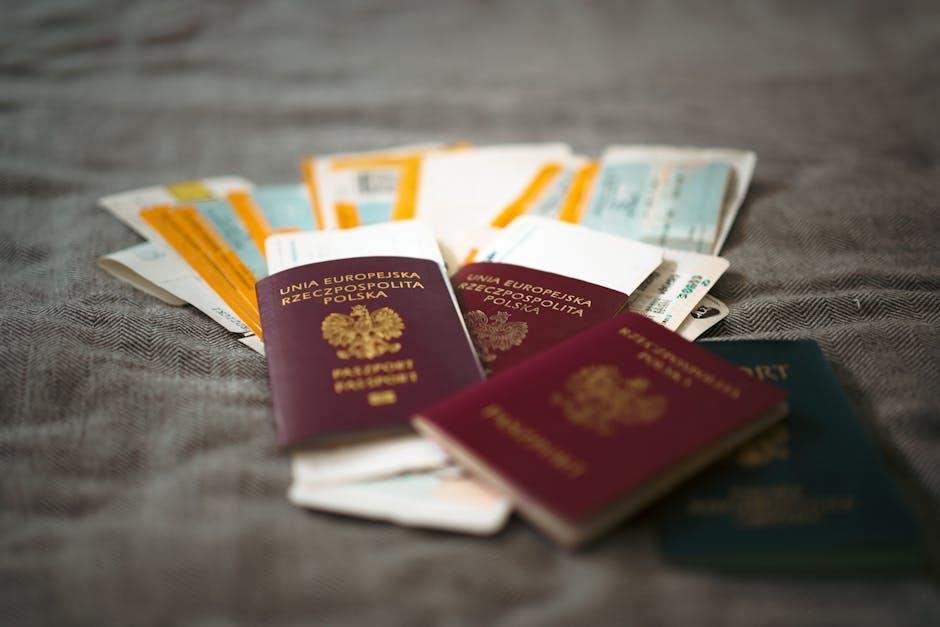
Navigating Eligibility Requirements and Petition Processes
Understanding who qualifies for family-based immigration is the cornerstone of a smooth journey toward reunification. Eligibility often hinges on the relationship category, such as immediate relatives of U.S. citizens, family preference categories, or fiancés. Each category comes with distinct requirements and priority timelines, which can influence how quickly an immigrant visa becomes available. It’s essential to familiarize yourself with these classifications early on to align expectations and streamline the application process.
Once eligibility is established, the petition process requires meticulous attention to detail. The initial step involves filing Form I-130, Petition for Alien Relative, which serves as a formal request to classify a family member’s eligibility for immigration. From collecting supporting evidence to navigating the complexities of USCIS correspondence, every stage demands precision and patience. Below is a simplified overview of the typical petition milestones:
| Step | Description | Approximate Timeframe |
|---|---|---|
| Form I-130 Filing | Initiating the family sponsorship | Immediate |
| USCIS Processing | Review and decision on petition | 6 months to 1 year |
| Visa Availability | Wait time based on preference category | Varies widely |
| Consular Processing or Adjustment | Final residency steps | Several months |
- Accurate Documentation: Always double-check forms to avoid delays.
- Patience: Processing times can fluctuate due to backlogs.
- Legal Guidance: Consulting an immigration attorney can simplify complex cases.
Overcoming Common Challenges and Delays in Family Sponsorship
Family sponsorship can be a rewarding yet intricate process, often complicated by unexpected obstacles. One frequent issue is documentation errors—missing forms, incorrect details, or overlooked supporting evidence can cause significant setbacks. To navigate this, sponsors should maintain meticulous records and double-check every submission. Equally important is staying updated on shifting immigration policies, which can affect eligibility and processing times. Remaining proactive and informed helps prevent unnecessary delays, making the journey smoother for all parties involved.
Another challenge lies in the unpredictable nature of processing times, which vary widely depending on the country of origin and the category of sponsorship. Factors such as background checks, security clearances, and interview scheduling may extend wait periods beyond initial estimates. Below is a simplified overview of common causes for delays often encountered during family sponsorship:
| Cause | Impact | Recommended Action |
|---|---|---|
| Incomplete Documentation | Processing Halt | Thorough Review Before Submission |
| Security Checks | Extended Wait Times | Regular Status Monitoring |
| Policy Changes | Eligibility Adjustments | Consult Legal Experts |
By embracing patience and vigilance, applicants and sponsors alike can turn these challenges into manageable steps, keeping the ultimate goal—a united family—in clear focus. Regular communication with immigration authorities and professional consultants can provide vital clarity, empowering families to overcome hurdles more confidently.
Strategies for Strengthening Your Immigration Application
One of the most effective approaches to reinforcing your immigration application is to meticulously prepare and organize all required documentation. Ensure that every form is filled accurately, and accompany your application with clear evidence of family relationships such as birth certificates, marriage licenses, and affidavits from community leaders or relatives. Timely submission and adherence to procedural guidelines demonstrate your commitment and reduce the likelihood of delays or denials. Additionally, understanding specific visa categories and their eligibility criteria can help tailor your application, enhancing its strength and clarity.
Building a supportive network can also play a vital role in your journey. Engaging immigration attorneys, advocates, or community organizations can provide expert advice and emotional backing. Here’s a brief overview of key factors to focus on:
- Proof of bona fide relationship: Showing genuine ties through shared financial responsibilities or joint ownerships.
- Financial stability: Demonstrating the ability to sponsor or financially support family members.
- Character evidence: Including police clearances or letters of recommendation that attest to good moral standing.
| Strategy | Why It Matters |
|---|---|
| Complete Documentation | Prevents processing delays and reduces application rejection risk. |
| Legal Assistance | Ensures compliance with immigration laws and leverages expert guidance. |
| Community Support | Strengthens case credibility and provides emotional reassurance. |
Resources and Support Networks for Immigrant Families
Every immigrant family navigating the complexities of family-based immigration benefits immensely from a web of trusted resources and support networks. Community organizations specializing in immigrant rights, local legal aid clinics, and cultural heritage centers often serve as crucial pillars. These entities go beyond legal counseling, offering language workshops, emotional support groups, and even financial literacy classes to help families build a firm foundation in their new country. Connecting with experienced immigration attorneys or accredited representatives also ensures access to up-to-date guidance, tailored specifically to the family’s unique situation.
In addition to formal institutions, online platforms and social media groups offer dynamic environments for peer-to-peer support where families can share stories, advice, and encouragement. Below is a snapshot of essential types of support services that families should consider exploring:
- Legal Assistance: Nonprofit immigration clinics and pro bono lawyer networks
- Community Centers: Cultural organizations fostering integration and social events
- Language Programs: ESL classes and conversational groups for language acquisition
- Emotional Support: Counseling services and peer support circles
- Educational Workshops: Webinars on visa options, application processes, and rights awareness
| Resource Type | Primary Benefit | Best For |
|---|---|---|
| Legal Clinics | Expert guidance on paperwork and petitions | Navigating complex cases |
| Community Centers | Social integration and cultural connection | Building local networks |
| Support Groups | Emotional resilience and peer advice | Emotional challenges |
| Online Forums | Accessibility and continuous information exchange | 24/7 support and resource sharing |
In Conclusion
In weaving the intricate tapestry of family-based immigration, we come to understand that these pathways are more than legal routes—they are bridges connecting hearts, histories, and hopes across borders. Each petition filed, each document submitted, signifies a step toward unity, resilience, and the enduring human desire to belong. As policies evolve and stories unfold, one truth remains clear: family is the foundation upon which new beginnings are built, transcending walls and distances. By truly comprehending these immigration paths, we not only navigate bureaucracy but also honor the profound bonds that define us all.