In a world where distances shrink beneath the hum of airplanes and the glow of digital screens, the movement of people across borders has become one of the defining features of our time. “Crossing Borders: The Dynamics of Global Immigration Today” invites us to explore the intricate web of stories, policies, and shifting realities that shape why and how individuals embark on journeys beyond their homelands. Far from a simple tale of migration, this phenomenon unfolds at the intersection of hope and hardship, opportunity and challenge—reflecting the changing contours of societies in a connected yet fragmented world. Through this lens, we delve into the forces driving global immigration and the complex human experiences woven within.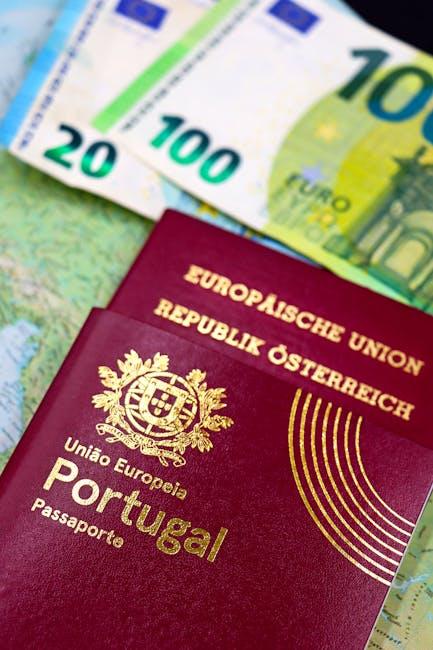
The Changing Landscape of Migration Patterns and Motivations
The intricate mosaic of global migration is continuously evolving, shaped by an array of factors that extend beyond traditional economic aspirations. While seeking better job opportunities remains a driving force, contemporary migrants often navigate a landscape marked by environmental challenges, geopolitical unrest, and digital connectivity. This shift has led to a more diverse set of motivations, where individuals are propelled by:
- Climate-induced displacement: Rising sea levels, desertification, and extreme weather events are forcing communities to relocate preemptively or as a survival mechanism.
- Escaping political turmoil: Protracted conflicts and human rights abuses generate waves of asylum seekers seeking safety.
- Digital nomadism and remote work: The ability to work from anywhere is redefining migration, attracting tech-savvy individuals in search of cultural enrichment rather than economic necessity.
This array of motivations underscores that migration today is far from monolithic; it is nuanced and deeply intertwined with global changes, reflecting both push and pull factors that vary widely across regions and populations.
| Migration Driver | Impact Region | Estimated Annual Migrants (millions) |
|---|---|---|
| Climate Change | Pacific Islands, Sub-Saharan Africa | 3.5 |
| Political Unrest | Middle East, Northern Africa | 4.2 |
| Economic Opportunities | North America, Europe | 6.8 |
| Remote Work Trends | Global (urban hubs) | 1.1 |

Navigating Legal Frameworks and Policy Challenges
In the complex landscape of immigration, lawmakers face the daunting task of balancing national security with humanitarian concerns. Policies often lag behind the realities on the ground, creating a patchwork of regulations that vary widely by country and region. Immigration policies must grapple with evolving global crises, economic demands, and shifting political sentiments, leading to frequent reforms and, at times, controversies. This dynamic environment requires policymakers to stay agile, considering not only legal frameworks but also the socio-economic ripple effects of their decisions.
Key challenges arise from factors such as:
- Inconsistent international agreements complicating cross-border cooperation.
- Technological gaps in tracking and processing migrants.
- Human rights concerns overshadowed by stricter border enforcement.
- Economic disparities motivating irregular migration flows.
| Policy Aspect | Primary Challenge | Impact on Migration |
|---|---|---|
| Visa Regulations | Lengthy processing times | Push toward irregular routes |
| Asylum Procedures | Backlogs and limited resources | Prolonged uncertainty for migrants |
| Border Controls | Heightened surveillance | Increased risks during crossing attempts |
Economic Impacts and Opportunities for Host and Home Countries
Global migration reshapes the economic landscape by introducing a dynamic infusion of workforce talent and consumer demand in host countries. Immigrants often fill labor market gaps in both high-skill and low-skill sectors, driving innovation and productivity in unexpected ways. This flow of diverse human capital can spark entrepreneurship, leading to new business ventures and job creation. Moreover, the remittances sent back to home countries serve as a critical lifeline, supporting families and bolstering local economies, which often rely on this steady financial influx for essential services and infrastructure development.
The economic interplay between host and home countries unfolds across multiple dimensions:
- Labor Market Enhancement: Immigrants contribute to niche sectors experiencing domestic shortages, elevating overall economic productivity.
- Fiscal Contributions: Taxes and social contributions from immigrants support public resources and welfare systems in host communities.
- Capital Flows: Remittances fuel consumer spending and investment in home countries, fostering economic resilience and growth.
- Cultural Exchange: New perspectives and skills enhance innovation and create cross-border business opportunities.
| Economic Factor | Impact on Host Country | Impact on Home Country |
|---|---|---|
| Workforce Supply | Fills labor shortages, diversifies skills | Reduces local unemployment pressure |
| Remittances | Increases consumer base via immigrant spending | Supports household income, spurs investment |
| Entrepreneurship | Generates startups and innovation hubs | Encourages knowledge and capital return |
Cultural Integration and the Role of Community Support
At the heart of successful immigration lies the delicate tapestry woven by cultural integration and community support. When migrants arrive in new lands, they bring with them rich traditions, languages, and worldviews that not only enrich the host society but also challenge it to evolve. The process of cultural integration is far from one-sided; it is a dynamic, bidirectional exchange where both the newcomers and the receiving communities adapt and transform. Harnessing this interplay creates fertile ground for innovation, empathy, and unity, fostering environments where diversity becomes a celebrated strength rather than a source of division.
Community support acts as the vital bridge in this journey, offering practical aid and emotional resilience. Beyond language classes and housing assistance, it is the social networks—the informal connections over shared meals, local festivals, and neighborhood initiatives—that truly anchor a sense of belonging. Effective community programs often emphasize:
- Mentorship opportunities pairing newcomers with established residents.
- Intercultural events celebrating both heritage and local customs.
- Access to resources such as education, healthcare, and employment support.
These elements combine to create ecosystems where immigrants don’t just survive but thrive, empowering them to contribute meaningfully and shape the cultural mosaic of their adopted homeland.
Strategies for Compassionate and Effective Immigration Management
Balancing humanity with regulation requires an adaptable framework that respects the dignity of individuals while upholding the integrity of borders. Key approaches include community integration programs that foster mutual understanding and shared cultural experiences, ensuring newcomers are welcomed rather than marginalized. Governments can adopt transparent policy-making processes to build trust, inviting stakeholder feedback and creating responsive systems that evolve with global migration trends. Empowering local agencies with adequate resources also proves essential, enabling faster processing times and tailored support services that prioritize the well-being of migrants.
Innovative technological solutions enhance administrative efficiency without compromising compassion. For instance, deploying AI-driven data analysis to predict migration patterns allows for proactive resource allocation and humanitarian aid readiness. Collaboration across nations, through bilateral or multilateral agreements, strengthens border security while promoting legal pathways for immigration. Below is an illustrative comparison of some effective strategies:
| Strategy | Focus | Impact |
|---|---|---|
| Community Integration | Cultural Adaptation | Improves social cohesion |
| Transparent Policy | Governance | Builds public trust |
| AI Data Analysis | Resource Forecasting | Enhances preparedness |
| International Cooperation | Security & Legal Channels | Facilitates orderly migration |
Wrapping Up
As the world continues to weave itself into an ever-tighter tapestry of cultures, economies, and stories, the dynamics of global immigration remain both a mirror and a catalyst for change. Crossing borders is no longer just a physical act—it is a complex journey shaped by hope, hardship, policy, and human resilience. Understanding these movements invites us to rethink notions of identity, community, and belonging. In embracing the fluidity of global migration, we are called to navigate its challenges with empathy and insight, recognizing that every crossing is more than a line on a map—it is a step toward a shared human future.