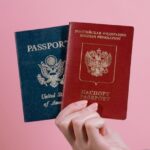
In an age where distances shrink and cultures intertwine, the movement of people across borders shapes the very fabric of our global society. “Crossing Borders: The Ever-Changing Face of Global Immigration” invites us to explore the dynamic journey of migration—an intricate dance of hope, challenge, and transformation. From the shifting policies that govern entry to the personal stories that redefine identity, the landscape of immigration is both a mirror and a canvas of our collective human experience. This article delves into the evolving patterns, the driving forces, and the profound impact of crossing boundaries in a world that is perpetually on the move.
The Historical Tides Shaping Migration Patterns
Throughout centuries, the movement of people across continents has been influenced by a complex tapestry of economic, social, and political forces. From the ancient Silk Road facilitating the exchange between East and West to the mass transatlantic voyages of the 19th century, each wave of migration carried with it new challenges and cultural infusions. Key historical events have left indelible marks on these patterns, steering migration flows in unexpected directions:
- The collapse of empires, such as the Ottoman and Austro-Hungarian, displacing millions in search of new homelands.
- Colonial expansions that redrew global borders and created diasporas on every inhabited continent.
- Wars and revolutions that forced refugees to seek safety far from their native soil.
- Technological advancements in transportation, accelerating the speed and reach of migration like never before.
| Era | Dominant Migration Driver | Impact |
|---|---|---|
| 15th-17th Century | Colonial Exploration | Global settlements & cultural exchange |
| 19th Century | Industrialization & Labor Demand | Urban growth & ethnic enclaves |
| 20th Century | Wars & Political Upheaval | Mass refugee movements |
| 21st Century | Globalization & Climate Change | Complex, multifaceted migrations |
Historical tides of migration reveal a recurring rhythm shaped by opportunity and adversity. While each wave exhibits its unique characteristics, underlying patterns emerge, highlighting human resilience and adaptability to change. These migrations have not only transformed demographic landscapes but also enriched societies by blending traditions and ideas, forging the multicultural world we witness today. Understanding these shifts provides essential context for interpreting contemporary debates on borders, identity, and global citizenship.
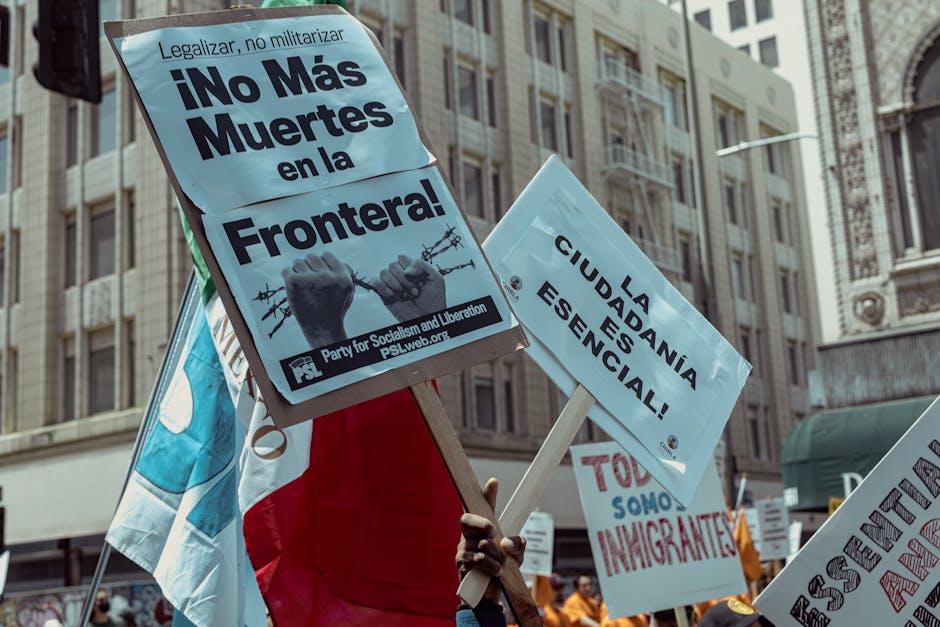
Economic Forces Driving Modern Immigration
In the intricate dance of global migration, economic opportunity often leads the way, pulling millions across borders in search of a better life. The disparities in wages, employment prospects, and living standards between countries create powerful incentives for individuals to uproot themselves. For many, the prospect of stable income and improved quality of life outweighs the uncertainty of moving abroad. These economic currents are further accelerated by globalized trade and technological advances, which have transformed even the most remote corners of the world into active participants in international labor markets.
Key economic factors influencing immigration today include:
- Wage differentials prompting labor mobility
- Demand for skilled and unskilled workers in emerging industries
- Remittance economies supporting families back home
- Economic instability and unemployment in home countries
| Region | Average Monthly Income (USD) | Migration Rate (%) |
|---|---|---|
| Latin America | 450 | 7.3 |
| Southeast Asia | 320 | 5.8 |
| Eastern Europe | 380 | 6.5 |
| North America | 3,200 | 2.0 |
Cultural Integration and the Challenges of Diversity
The merging of cultures within immigrant communities brings a vibrant tapestry of traditions, languages, and perspectives. However, this fusion is not without its complexities. Navigating the delicate balance between preserving one’s cultural identity and embracing the norms of a new environment requires both empathy and adaptability. Language barriers, social expectations, and differing worldviews often create invisible walls, making integration a multifaceted challenge rather than a straightforward process.
Successful cultural integration depends on a supportive framework that recognizes and respects diversity. Key elements include:
- Inclusive Education: Programs that teach both language skills and cultural nuances help newcomers feel at home.
- Community Engagement: Creating spaces where diverse groups interact fosters mutual understanding and shared experiences.
- Policy Support: Legal frameworks that protect cultural expression while promoting social cohesion are crucial.
| Challenge | Impact | Possible Solution |
|---|---|---|
| Language Barrier | Isolation and miscommunication | Community language courses |
| Cultural Misunderstanding | Social tension | Intercultural workshops |
| Economic Disparity | Unequal opportunities | Inclusive employment policies |
Policy Innovations for Sustainable Border Management
Governments worldwide are reimagining border governance by weaving sustainability into security measures. Cutting-edge biometric technologies, when paired with AI-driven data analysis, not only streamline immigration processes but also reduce human error and resource wastage. These systems are designed to be energy-efficient, minimizing environmental footprints without compromising on safety. Alongside tech, integrative community-based programs foster cooperation between border authorities and local populations, ensuring that migration flows are managed with empathy and ecological awareness.
Key strategies championed in sustainable border management include:
- Utilizing green infrastructure such as solar-powered checkpoints and eco-friendly buildings
- Implementing circular resource management to recycle water and reduce waste at border facilities
- Encouraging transnational collaborations to share best practices and pool resources
- Deploying real-time environmental monitoring to assess impact and adjust policies proactively
| Innovation | Impact | Example |
|---|---|---|
| AI-Powered Entry Systems | Higher accuracy, lower wait times | Smart gates in Singapore |
| Solar Energy Checkpoints | Reduced carbon emissions | Morocco’s desert outposts |
| Community Liaison Programs | Improved trust, local insights | EU cross-border initiatives |
Empowering Communities Through Inclusive Practices
Communities that flourish are those that embrace diversity as a source of strength rather than division. By weaving a fabric of acceptance and equity, neighborhoods become more vibrant and resilient, fostering opportunities where every voice can be heard. Inclusive initiatives such as language access programs, cultural exchanges, and co-created public spaces nurture understanding and empower newcomers to become active contributors. These collaborative environments spark innovation, drive economic growth, and nurture social cohesion in a world constantly shaped by migration.
Key components that fuel community empowerment include:
- Accessible Education: Language classes and cultural orientation help bridge gaps, turning uncertainty into confidence.
- Collaborative Governance: Representation in local decision-making ensures policies reflect diverse needs.
- Economic Inclusion: Support for immigrant entrepreneurship revitalizes neighborhoods and creates jobs.
- Safe Spaces: Community centers offer refuge and resources to foster belonging.
| Practice | Impact | Example |
|---|---|---|
| Multilingual Services | Enhances communication | City hall translation desks |
| Community Gardens | Promotes social bonding | Neighborhood harvest festivals |
| Mentorship Programs | Fosters professional growth | Business incubators for immigrants |
Insights and Conclusions
As the tides of global migration continue to shift, so too does the intricate mosaic of cultures, hopes, and challenges that define our shared human experience. Crossing borders is no longer just a physical act—it is a symbol of resilience, transformation, and the enduring quest for connection. In embracing this ever-changing landscape, we are reminded that immigration is not a story of division, but rather a testament to our collective ability to adapt, rebuild, and weave new narratives across the fabric of the world. The journey is ongoing, and its chapters are still being written—by those who dare to cross, and by the societies that welcome them.