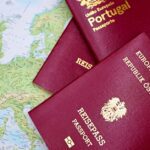
In an era defined by rapid change and relentless movement, the story of global immigration unfolds like a living mosaic—each piece representing a journey, a hope, a challenge. Borders, once rigid lines etched on maps, now pulse with stories of human ambition and resilience, shaped by shifting laws, economic tides, and cultural dialogues. “Crossing Borders: The Ever-Shifting Landscape of Global Immigration” invites readers to navigate this complex terrain where migration is not just a passage from one place to another, but a dynamic force reshaping societies and redefining identities across the world.
The Historical Roots and Modern Drivers of Global Migration
Migration is as old as human history itself, woven intricately into the fabric of civilization. From the ancient exoduses across continents to the trading expeditions of empires, the movement of people has shaped cultures, economies, and identities. The push and pull factors of past migrations often revolved around the quest for resources, the aftermath of conflicts, or the lure of fertile lands. Great historical waves such as the Silk Road migrations or the transatlantic movements during the colonial era exemplify how migration established early networks of cultural exchange and economic interdependence.
Today, the motivations behind migration have evolved, influenced by a blend of globalized economies, technological advances, and geopolitical shifts. Contemporary drivers include:
- Economic opportunities: Seeking better jobs and standards of living.
- Climate change: Environmental challenges displacing communities.
- Political instability: Escaping wars, persecution, or authoritarian regimes.
- Education and innovation: Pursuing knowledge and cutting-edge roles across borders.
| Historical Driver | Modern Equivalent | Impact |
|---|---|---|
| Resource scarcity | Climate-induced displacement | Alters population distribution globally |
| Colonial expansion | Global labor markets | Creates interconnected workforces |
| Religious persecution | Political asylum seekers | Shapes refugee policies worldwide |
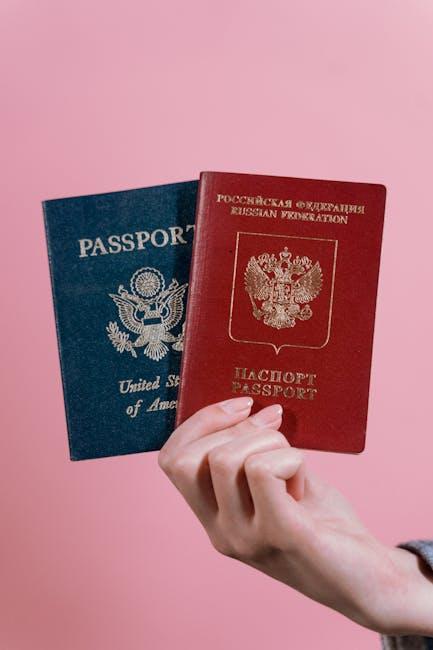
Navigating Legal Labyrinths: Understanding Immigration Policies Worldwide
Immigration policies across the globe resemble a complex web, constantly woven and rewoven by shifting political winds, economic needs, and humanitarian concerns. Each nation presents its own puzzle of regulations—ranging from rigorous visa quotas to lenient pathways for asylum seekers—making the journey through immigration legalities as unpredictable as it is challenging. Understanding these multifaceted rules is essential not just for hopeful migrants but also for policymakers, lawyers, and advocates striving to promote fair, practical, and humane movement across borders.
Common themes emerge despite the variations:
- Security Measures: Nations implement stringent background checks and biometric requirements to balance openness with safety.
- Economic Priorities: Skilled labor visas and investor programs often shift in response to market demands.
- Human Rights Protections: Asylum protocols and refugee quotas aim to provide sanctuary amid global crises.
These elements combine in different proportions to create policies that are sometimes fluid, frequently contested, and always reflective of broader social narratives.
| Region | Main Immigration Focus | Notable Policy Feature |
|---|---|---|
| North America | Workforce Reinforcement | Point-based visa systems |
| Europe | Humanitarian Response | Asylum seeker frameworks |
| Asia | Economic Investments | Investor visa programs |
| Oceania | Selective Immigration | Strict skill assessment |
Cultural Integration and Identity in a Mobile World
In today’s interconnected world, the dance of cultural blending unfolds at an unprecedented pace. Migrants and locals alike navigate a delicate balance—preserving cherished traditions while embracing new customs. This interplay often sparks the emergence of hybrid identities that straddle continents and generations, reflecting the fluidity of a constantly shifting global mosaic. Language, cuisine, and social rituals become living testaments to this fusion, reshaping the cultural landscape into something both familiar and beautifully novel.
The challenges and opportunities this dynamic presents can be distilled into a few core themes:
- Adaptability: Cultivating the ability to seamlessly integrate diverse cultural practices without erasing original identities.
- Community-building: Establishing networks that act as bridges while offering support and belonging.
- Resilience: Confronting and overcoming social prejudices and institutional barriers.
The ensuing dialogue between tradition and transformation is shaping tomorrow’s societies, making cultural identity a living, breathing entity—forever in motion.
| Aspect | Characteristic | Impact |
|---|---|---|
| Language | Multilingualism | Enhanced communication, cognitive flexibility |
| Cuisine | Fusion and Innovation | Cultural exchange, new culinary traditions |
| Social Norms | Hybrid practices | Greater inclusivity, evolving societal values |
Economic Impacts and Workforce Transformations Across Borders
Global immigration has long been a catalyst for dynamic economic shifts, with migrant labor shaping markets in both subtle and profound ways. As borders blur and talent flows more freely, host countries witness a transformative workforce, characterized by a rich tapestry of skills, cultures, and entrepreneurial spirit. This influx not only fills critical gaps in sectors ranging from technology to agriculture but also fosters innovation and competition, prompting local industries to evolve. However, these economic boons are often coupled with challenges such as wage pressures and the need for updated labor policies to ensure equitable growth.
When examining cross-border workforce transformations, several key factors stand out:
- Skill Diversification: Immigrants introduce new competencies that complement or supplement the native workforce.
- Demographic Balance: Migration can offset aging populations, sustaining economic productivity.
- Entrepreneurial Growth: Many migrants become business owners, stimulating local economies and job creation.
- Remittance Flows: Money sent home enhances economic stability in migrants’ countries of origin, fostering global interdependence.
| Economic Impact | Positive Effects | Challenges |
|---|---|---|
| Labor Market | Fills shortages, drives innovation | Potential wage competition, job displacement fears |
| Entrepreneurship | New businesses, expanded markets | Access to capital barriers |
| Fiscal Contribution | Increased tax revenues | Pressure on social services |
| Demographics | Population rejuvenation | Integration challenges |
Fostering Inclusive Communities: Strategies for Sustainable Immigration Management
Building communities that embrace diversity requires more than just policy—it demands a heartfelt commitment to understanding and collaboration. One effective approach includes community engagement programs that bring together immigrants and long-term residents through cultural exchanges, local events, and language-sharing workshops. These initiatives nurture empathy, dispel misconceptions, and forge personal connections that transcend backgrounds, turning neighborhoods into thriving mosaics rather than isolated groups.
Strategically, policymakers and stakeholders benefit from adopting a multifaceted framework that integrates social services, education, and economic opportunities. Consider this simplified overview of essential components for sustainable integration:
| Component | Primary Goal | Key Strategy |
|---|---|---|
| Education | Language & Skills | Accessible ESL & vocational training |
| Economic Empowerment | Financial Stability | Entrepreneurship grants & job matching |
| Social Integration | Belonging & Support | Mentorship schemes & cultural events |
- Collaborative governance: Involving immigrants in decision-making fosters ownership and responsive policies.
- Holistic welfare access: Simplifying the navigation of health, housing, and legal services ensures no one falls through the cracks.
- Celebration of diversity: Elevating cultural festivals and history education promotes pride and mutual respect.
Closing Remarks
As the tides of migration continue to ebb and flow, shaping and reshaping societies in their wake, the story of global immigration unfolds as a living mosaic—intricately complex, perpetually evolving. Crossing borders is no longer just a physical act but a symbol of resilience, hope, and sometimes, profound challenge. In this ever-shifting landscape, understanding the forces at play invites us to look beyond maps and policies, to the human experiences stirring beneath. The journey continues, reminding us that while borders may divide, the shared quest for a better tomorrow unites us all.