In an era defined by unprecedented movement and interconnectedness, the phenomenon of global immigration weaves countless stories across continents and cultures. Beyond mere statistics and policies, crossing borders embodies a complex tapestry of hopes, challenges, and transformations—both for those who embark on these journeys and the societies they join. This article delves into the intricate dynamics of global immigration, exploring the forces that propel migration, the human experiences at its core, and the multifaceted impact it has in shaping our world. Through this exploration, we aim to unravel the layers of a subject that transcends geography, touching upon identity, opportunity, and the ever-evolving notion of home.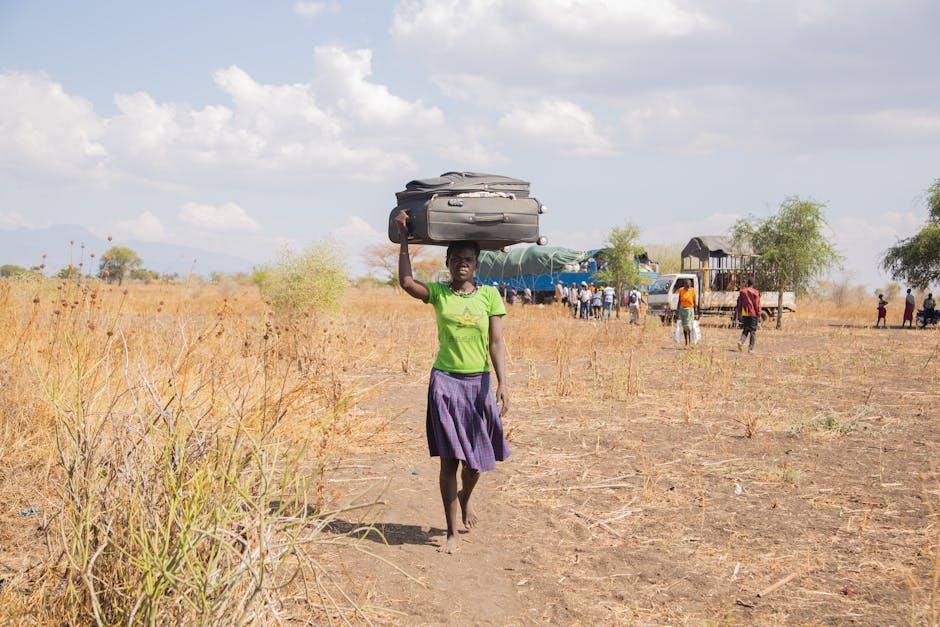
Understanding the Socioeconomic Drivers Behind Modern Migration
Migration today is deeply intertwined with the intricate fabric of global socioeconomic realities. People often move in pursuit of better economic opportunities, more stable political environments, or improved educational prospects. These drivers are layered and complex, acting as both push and pull factors that dictate migration flows. For many, the decision to leave home is less about desire and more about necessity—escaping poverty, conflict, or environmental degradation that erode their capacity to thrive. On the other hand, thriving economies and developed infrastructures in destination countries offer a magnetizing effect, promising not just jobs but an enhanced quality of life.
To better understand these forces, consider the following key socioeconomic elements influencing migration patterns:
- Economic Disparity: Wealth gaps between nations create incentives for labor movement from lower-income regions to wealthier ones.
- Employment Opportunities: Availability of jobs in sectors like technology, agriculture, and services attracts diverse migrant groups.
- Education Access: The pursuit of quality education abroad drives family migration decisions and youth mobility.
- Political Stability: Stability and governance influence both the safety and attractiveness of various destinations.
| Driver | Impact | Example Regions |
|---|---|---|
| Economic Inequality | Long-term labor migration | Sub-Saharan Africa → Europe |
| Job Availability | Seasonal and permanent moves | Mexico → United States |
| Education | Youth and family relocation | South Asia → North America |
| Political Stability | Forced displacement and asylum | Middle East → Europe |

Navigating Legal Pathways and Immigration Policies Worldwide
Understanding the intricate maze of legal frameworks and immigration policies is crucial for anyone setting out on international journeys or seeking new horizons. Each nation shapes its rules around immigration to reflect economic needs, social dynamics, and geopolitical considerations, resulting in a patchwork of laws that can often seem overwhelming. From visa quotas and asylum procedures to residency permits and work authorization, the legal pathways available are as diverse as the countries themselves. Navigating these requires not only diligence but also an insightful grasp of how bilateral agreements and international conventions play a defining role in facilitating or restricting movement across borders.
Key factors influencing immigration policies globally include:
- Economic demand: Labor shortages often lead to relaxed immigration rules for skilled workers.
- Security concerns: Heightened geopolitical tensions influence stricter border controls.
- Cultural integration strategies: Some countries emphasize assimilation programs for newcomers.
- Humanitarian commitments: Refugee quotas and asylum laws reflect international ethics and obligations.
| Country | Preferred Visa Type | Typical Processing Time |
|---|---|---|
| Canada | Express Entry | 6 months |
| Germany | Blue Card | 3-4 months |
| Australia | Skilled Migration | 5-7 months |
The Cultural Impact of Immigration on Host and Origin Countries
Immigration weaves vibrant cultural tapestries in both host and origin countries, creating new spaces where tradition meets transformation. Host nations often flourish with enhanced diversity, gaining fresh perspectives and novel art forms, while simultaneously encountering challenges of integration and identity preservation. The cultural exchange brought by immigrants can lead to culinary fusion, language evolution, and innovative artistic expressions, enriching public life with a broader range of narratives. Yet, this dynamic process also calls for a delicate balance between embracing change and honoring established cultural roots.
Origin countries experience profound shifts too, as diasporas maintain cultural ties that ripple back home through remittances, media, and return visits. These connections foster a global cultural network, fueling pride and reinvention while sometimes igniting debates about authenticity and cultural dilution. The interplay of memory and adaptation often results in a cultural dialogue characterized by:
- Preservation of heritage arts and languages abroad
- Hybrid identities emerging from cross-cultural influences
- Economic and social impacts that reshape community traditions
| Impact Area | Host Country | Origin Country |
|---|---|---|
| Cultural Festivals | New multicultural celebrations | Revived traditional events |
| Language | Increased bilingualism | Retention of native dialects |
| Social Integration | Cross-cultural collaborations | Strengthened diaspora communities |
Challenges and Opportunities in Integrating Immigrant Communities
Navigating the integration of immigrant communities presents a complex tapestry woven with both obstacles and possibilities. Language barriers, cultural misunderstandings, and socioeconomic disparities often pose significant hurdles for newcomers striving to find their footing. Yet within these challenges lies the fertile ground for innovation — where diversity fosters fresh perspectives, sparks creativity, and cultivates resilient neighborhoods. The dance between preserving cultural identity and embracing new societal norms invites ongoing dialogue, pushing societies to rethink inclusivity beyond superficial tolerance to genuine belonging.
Embracing this dynamic environment calls for proactive policies and community-driven initiatives that harness the strengths of immigrant populations. Collaborative networks emerge as vital platforms where newcomers and locals exchange knowledge and resources, building bridges across divides. Below is a snapshot of key areas where challenges intersect with opportunities, highlighting how that tension can be transformed into societal enrichment:
- Educational Access: Overcoming language barriers while promoting culturally responsive curricula.
- Economic Participation: Bridging credential recognition gaps and encouraging entrepreneurship.
- Social Integration: Fostering inclusive spaces that celebrate cultural expression without segregation.
- Policy Frameworks: Developing adaptive laws that balance security with human rights.
| Challenges | Opportunities |
|---|---|
| Cultural Misunderstandings | Cross-cultural dialogue and learning |
| Economic Marginalization | Diverse entrepreneurship and job creation |
| Social Isolation | Strengthened community networks |
| Legal and Policy Complexity | Innovative, inclusive governance models |
Strategies for Sustainable and Inclusive Immigration Reform
Crafting immigration policies that stand the test of time requires a delicate equilibrium between economic pragmatism and unwavering respect for human dignity. Emphasizing community engagement ensures that reforms are not only top-down but resonate with the voices of both newcomers and host populations. Policies rooted in transparency and fairness foster trust, transforming immigration from a contentious issue into a shared journey toward growth. In practice, this means adopting flexible frameworks that respond dynamically to global shifts—whether economic fluctuations, environmental crises, or sociopolitical changes—allowing systems to adapt without compromising core ethical values.
Embracing inclusion goes beyond legal status; it demands robust support systems that empower immigrants to integrate meaningfully. Consider these cornerstones for a sustainable framework:
- Accessible language education to bridge communication gaps.
- Equitable access to healthcare and housing to foster stability.
- Pathways to citizenship and legal protections that recognize diverse experiences.
- Community-led cultural exchange initiatives to enhance mutual understanding.
When these elements intersect, immigration becomes a catalyst for multicultural enrichment rather than a source of division.
| Strategy | Benefit | Example |
|---|---|---|
| Adaptive Visa Systems | Responds to labor market needs | Seasonal worker programs |
| Community Sponsorship | Enhances local integration | Neighborhood welcome initiatives |
| Inclusive Civic Education | Promotes shared values | Multilingual civic workshops |
Wrapping Up
As the tides of migration continue to reshape our world, crossing borders remains more than a physical act—it is a complex journey woven with hope, challenge, and transformation. By unraveling the dynamic threads of global immigration, we come closer to understanding not only the movements across lines on a map but also the shared human stories that transcend them. In this intricate mosaic of cultures and experiences, the true border we might strive to cross is one of empathy, where every migration narrative enriches our collective horizon.