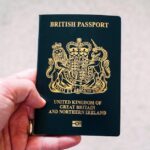
In an increasingly interconnected world, the concept of identity is evolving beyond traditional borders and singular national loyalties. Dual citizenship, often described as a passport to two worlds, offers individuals the unique privilege—and complexity—of belonging to more than one nation at the same time. This phenomenon presents a captivating blend of opportunities and challenges, from cultural enrichment and expanded rights to legal intricacies and questions of allegiance. Exploring the realm of double identities, this article delves into the multifaceted experience of navigating life with dual citizenship, uncovering what it means to live between lines drawn on maps and within the hearts of two homelands.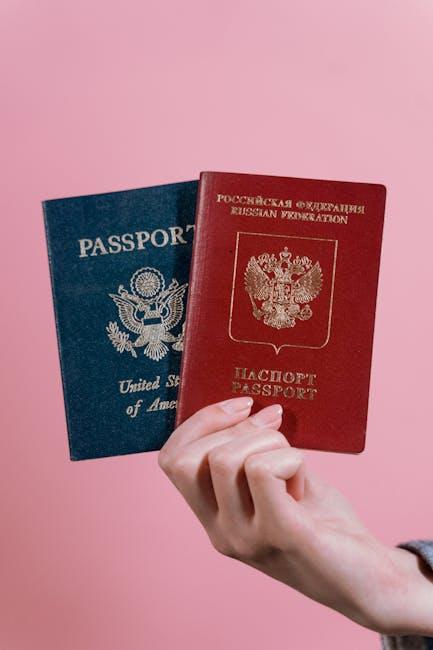
Understanding the Legal Landscape of Dual Citizenship
Dual citizenship thrives in a complex matrix of national laws, international agreements, and individual eligibility criteria. Each country crafts its own legal boundaries, defining whether it recognizes multiple nationalities and under what conditions. For instance, while some nations embrace dual citizenship as a way to enrich cultural and economic ties, others impose strict restrictions, concerned about legal conflicts and divided loyalties. Understanding this landscape means delving into specific statutes like citizenship acquisition, loss, and the rights afforded to dual nationals—such as voting, taxation, and military service obligations.
To navigate this terrain effectively, one must consider a few key elements that vary widely across jurisdictions:
- Acquisition methods: By birth, descent, naturalization, or marriage.
- Legal conflicts: Potential issues with conflicting laws on obligations like taxes or military duty.
- Rights and restrictions: Access to social services, political participation, and passport validity.
| Country | Allows Dual Citizenship? | Main Restriction |
|---|---|---|
| Canada | Yes | None generally; full acceptance |
| Japan | No | Must renounce previous citizenship by age 22 |
| Germany | Conditional | Usually requires renunciation unless EU or Swiss citizen |

Balancing Rights and Responsibilities Across Borders
Holding dual citizenship opens doors to unique opportunities but also weaves a complex tapestry of obligations. Individuals must adeptly navigate the legal frameworks of two nations, ensuring they honor tax laws, civic duties, and even compulsory national service when applicable. This balancing act extends beyond paperwork: it’s about harmonizing cultural allegiance with the expectations of each country, a challenge that requires constant mindfulness and sometimes, difficult decisions.
For dual citizens, understanding the nuances of each country’s rights and responsibilities is crucial. These can include:
- Voting rights — some countries restrict participation in certain elections for dual citizens.
- Military obligations — mandatory service may apply depending on residency or citizenship laws.
- Tax requirements — income reporting and tax payments can be required in both countries.
| Responsibility | Example | Potential Impact |
|---|---|---|
| Tax Filing | U.S. citizens must file yearly returns worldwide | Complex filings, risk of double taxation |
| Jury Duty | Mandatory service in country of residence | Possible conflict if residing abroad |
| Military Service | Compulsory in some European countries | Legal exemptions may be required |
The Cultural Richness and Challenges of Dual Identities
Dual citizenship offers a rich tapestry of cultural experiences, blending traditions, languages, and perspectives from two distinct worlds. Individuals with dual identities often become cultural ambassadors, bridging gaps between societies with a unique understanding that transcends borders. This fusion can enrich personal growth, fostering adaptability and empathy. Yet, it also requires a delicate balance as one navigates the sometimes conflicting expectations of each culture—celebrating multiple heritages while forging a cohesive sense of self.
However, maintaining dual citizenship is not without its complexities. Challenges can arise from legal obligations, social pressures, and emotional dilemmas. From intricate tax regulations and voting rights to moments of divided loyalty during international conflicts, the dual citizen must constantly negotiate their place between two nations. The emotional landscape may include feelings of fragmentation or the quest to reconcile two identities in a world that often demands singular belonging.
Tax Implications and Financial Planning for Dual Citizens
Navigating financial responsibilities when holding dual citizenship is like walking a tightrope between two distinct tax systems. Each country has its own set of rules governing income reporting, tax residency, and asset declaration. Understanding these complexities is crucial, as non-compliance can lead to penalties or double taxation. Dual citizens often face the challenge of filing taxes in both countries, even on the same income, necessitating a strategic approach to mitigate tax liabilities.
Effective financial planning involves more than just meeting legal requirements — it’s about optimizing your global financial footprint. Key considerations include:
- Tax Treaties: Leveraging agreements that prevent double taxation can protect your income and investments.
- Foreign Account Reporting: Awareness of obligations such as FBAR or CRS is essential to avoid unintentional violations.
- Estate Planning: Aligning wills and trusts across jurisdictions to ensure seamless transfer of assets.
| Country | Tax Filing Requirement | Common Deductions |
|---|---|---|
| USA | Annual, worldwide income | Foreign Tax Credit |
| Canada | Resident-based | RRSP Contributions |
| Germany | Residence-based and source income | Income-related Expenses |
Strategies for Managing Travel and Access in Multiple Countries
When holding dual citizenship, mastering the art of seamless international movement demands a blend of strategic planning and an in-depth understanding of each country’s entry and exit requirements. Prioritize keeping both passports updated, as traveling on the “wrong” one can result in unexpected delays or questioning at border controls. Additionally, leveraging electronic travel authorizations and visa exemptions tailored to one nationality over the other can significantly ease your journey. It’s wise to maintain digital and physical copies of all pertinent travel documents and visas, ensuring quick reference and stress-free border crossings.
To optimize your global mobility, consider the following tactics:
- Align your travel itinerary with the passport that grants easier or longer stays.
- Plan transit countries that welcome both citizenships or offer visa-free options.
- Use trusted traveler programs available to one or both of your nationalities.
- Stay informed on changing diplomatic relations and travel advisories affecting dual nationals.
| Country | Passport Advantage | Visa-Free Entry Duration |
|---|---|---|
| Germany | EU Member Passport | 90 days |
| Canada | Canadian Passport | 180 days |
| Japan | Japanese Passport | 90 days |
Concluding Remarks
In a world where borders blur and identities intertwine, dual citizenship offers both a passport and a paradox—a bridge connecting cultures, opportunities, and sometimes, complex loyalties. Navigating this multifaceted landscape requires awareness, respect, and a readiness to embrace the richness that comes with living between worlds. As the notion of citizenship continues to evolve, those who hold double identities stand at the crossroads of tradition and modernity, charting paths that challenge old definitions and invite new possibilities. Whether as a gateway or a delicate balancing act, dual citizenship remains a compelling chapter in the ongoing story of global belonging.