In a world increasingly shaped by migration, globalization, and cultural exchange, the concept of identity has taken on new, multifaceted meanings. Among the most intriguing manifestations of this complexity is dual nationality—a condition that allows individuals to belong to two nations simultaneously, navigating the delicate balance of overlapping loyalties, legal frameworks, and personal narratives. “Double Identity: Exploring the Complex World of Dual Nationality” delves into the nuanced experiences of those who carry more than one passport, revealing how dual nationality challenges traditional notions of citizenship, belonging, and identity in a rapidly changing world. Through stories, legal insights, and cultural reflections, this exploration invites readers to rethink what it means to belong—both to a country and to oneself.
Understanding Dual Nationality and Its Legal Landscape
Dual nationality is more than just holding two passports; it’s a multifaceted legal status that intertwines rights, obligations, and cultural identities. While some countries embrace dual citizenship, enabling individuals to enjoy the privileges and responsibilities of both nationalities, others impose strict limitations or even prohibit this status altogether. Navigating this complex terrain requires an understanding of how different jurisdictions interpret allegiance, taxation, military service, and diplomatic protection. What makes dual nationality truly intricate is the balancing act between loyalty to two sovereign states and the potential conflicts that may arise from divergent national laws.
Several legal aspects impact dual nationals differently around the globe, including:
- Voting rights: Eligibility to participate in elections may vary depending on the country.
- Taxation rules: Some countries tax their citizens on worldwide income regardless of residency.
- Military obligations: Dual citizens might be required to fulfill service in one or both states.
- Renunciation policies: Certain nations demand formal renunciation if acquiring a second nationality.
| Country | Dual Nationality Allowed? | Notable Restriction |
|---|---|---|
| Canada | Yes | None |
| Japan | Limited | Must choose one nationality by age 22 |
| Germany | Limited | Generally requires renunciation of other citizenship |
| United States | Yes | Taxation on worldwide income |
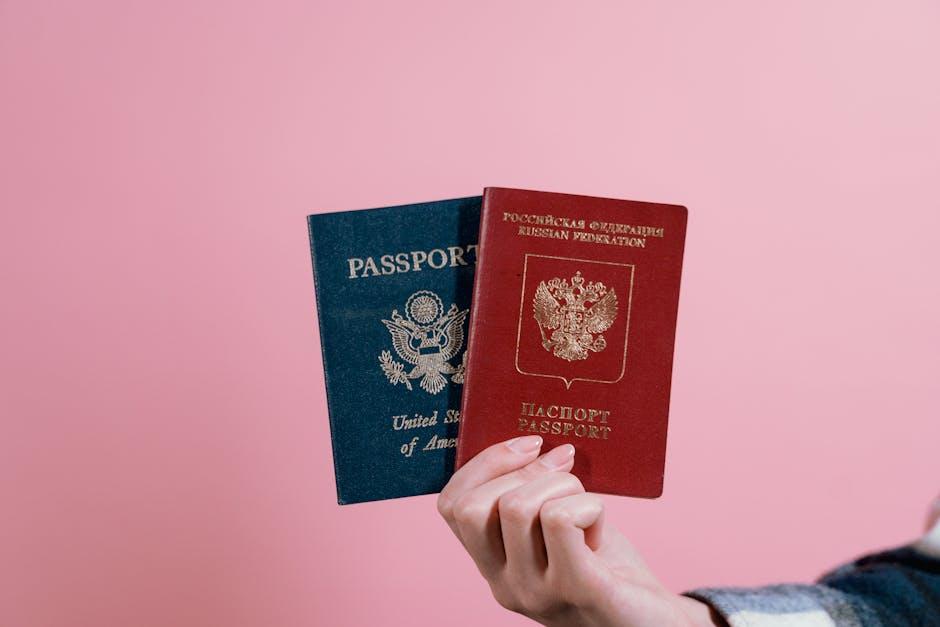
Cultural Connections and Challenges of Holding Two Passports
Balancing life with two passports often means navigating a rich tapestry of cultural experiences that broaden personal horizons. Individuals holding dual nationality find themselves immersed in diverse traditions, languages, and social norms, allowing them to embrace a unique worldview that is both enriching and complex. This dual identity fosters a deep sense of empathy and adaptability, as one learns to celebrate the best of both worlds. However, it also demands a constant negotiation of values and allegiances, where cultural pride can sometimes clash or create internal dilemmas about belonging.
With this privilege comes distinct challenges that touch everyday life. For instance, dual nationals may face conflicting legal obligations such as tax liabilities or mandatory military service. Socially, there can be a feeling of never being entirely “home,” as societal expectations or prejudices in one country might differ sharply from those in the other. To illustrate, consider the following comparative table of common emotional and legal challenges faced by dual passport holders:
| Aspect | Emotional Challenge | Legal/Practical Challenge |
|---|---|---|
| Identity | Feeling of split loyalty | Passport renewal cycles |
| Social Integration | Struggle fitting in both cultures | Dual tax declarations |
| Travel | Choosing which passport to use | Varying visa requirements |
- Communication nuances: Managing family languages and expressions, which can differ dramatically.
- Legal discrepancies: Adhering to varying cultural norms that influence legal status or rights.
- Emotional resilience: Developing coping strategies to deal with identity-related stress.
Navigating Rights and Responsibilities Across Borders
Embracing dual nationality means stepping into a world where rights and responsibilities intertwine across multiple jurisdictions, often creating a complex tapestry of obligations and privileges. While enjoying the freedom to travel, work, and reside in more than one country, dual citizens must also navigate a maze of legal nuances, such as taxation laws, voting rights, and potential conscription. These overlapping sovereignties can bring unexpected challenges, like differing requirements for government service or conflicting national policies.
To better understand these dynamics, consider the following key areas where dual nationality impacts personal and legal status:
- Taxation: Obligation to file taxes in multiple countries.
- Military Service: Potential duties in both nations.
- Voting Rights: Eligibility and limitations in elections.
- Travel Restrictions: Entry and exit rules affecting dual citizens.
| Responsibility | Country A | Country B |
|---|---|---|
| Income Tax | Tax resident, filing required | Tax treaty applies; reporting needed |
| Voting Rights | Allowed in national elections | Limited to local elections |
| Military Service | Exempt as student | Mandatory at age 18 |
Strategies for Managing Taxes and Financial Obligations
Living with dual nationality often means navigating the often tangled web of tax laws and financial duties across countries. Understanding the obligations in each jurisdiction is crucial. It’s wise to maintain meticulous records of income earned abroad and consult with tax professionals familiar with the nuances of international laws. This proactive approach helps avoid penalties and double taxation. Additionally, many countries have tax treaties that, when leveraged, can minimize your tax burden effectively.
To simplify this complex landscape, consider organizing your financial responsibilities using a clear categorization system. Here’s a practical approach to keep track:
- Income Sources: Identify which earnings are taxable in which country.
- Filing Deadlines: Mark important tax submission dates for each citizenship.
- Financial Institutions: Note foreign bank accounts and reporting requirements.
- Exemptions and Credits: Understand available foreign tax credits or exemptions.
| Country | Tax Year | Key Obligation | Deadline |
|---|---|---|---|
| USA | 2024 | Foreign Earned Income Exclusion | April 15 |
| Canada | 2024 | Declaration of Worldwide Income | April 30 |
| Germany | 2024 | Wealth Tax Reporting | July 31 |
| Australia | 2024 | Foreign Income Disclosure | October 31 |
Practical Tips for Embracing Life with Dual Citizenship
Managing two passports and two sets of legal responsibilities might seem daunting, but it’s an opportunity to craft a richly layered identity. Start by mastering the rules of each nationality—tax laws, voting rights, and conscription requirements can vary significantly. Use digital tools to keep track of deadlines and paperwork. Embrace the benefits by planning international travel smartly; some passports open doors that others simply can’t. Make it a habit to stay informed through official government portals or community groups dedicated to dual citizens.
Building a support system is equally essential. Cultivate connections within both cultural communities—online or in person—to keep traditions alive and feel rooted regardless of where life takes you. Consider the following quick strategies:
- Language practice: Regularly engage in your second language to maintain fluency and deepen cultural understanding.
- Financial planning: Consult dual tax accountants to optimize your finances across borders.
- Legal awareness: Keep copies of key documents accessible and know your rights in both countries.
- Celebrate holidays: Participate in national celebrations from both cultures to honor your diverse heritage.
| Tip | Why It Matters |
|---|---|
| Keep dual calendars | Avoid missing important events and deadlines from either country. |
| Network internationally | Unlock professional and social opportunities worldwide. |
| Understand citizenship laws | Ensure compliance and maintain benefits smoothly. |
| Embrace plural identity | Experience richer perspectives and personal growth. |
The Conclusion
In the intricate tapestry of modern identity, dual nationality weaves a unique and vibrant thread—one that challenges traditional borders and redefines belonging. It is a realm where legal frameworks meet personal narratives, where cultures blend and coexist within a single individual. As the world grows ever more interconnected, exploring the complex dimensions of dual nationality becomes not just an academic exercise, but a vital reflection on how we understand citizenship, loyalty, and selfhood. Ultimately, embracing this duality invites us to rethink the boundaries of identity itself, recognizing that sometimes, being two places at once is not a contradiction—but a new kind of harmony.