In a world where borders increasingly blur and identities intertwine, holding a dual passport is more than just a travel convenience—it is a lived experience of balancing two lives, two cultures, and two sets of expectations. “Double Identity: Navigating Life with a Dual Passport” explores the unique journey of those who carry more than one national identity in their pockets. From the doors it opens to the complexities it brings, this article delves into the nuances of living between two homelands and the silent negotiation of belonging that comes with a double identity.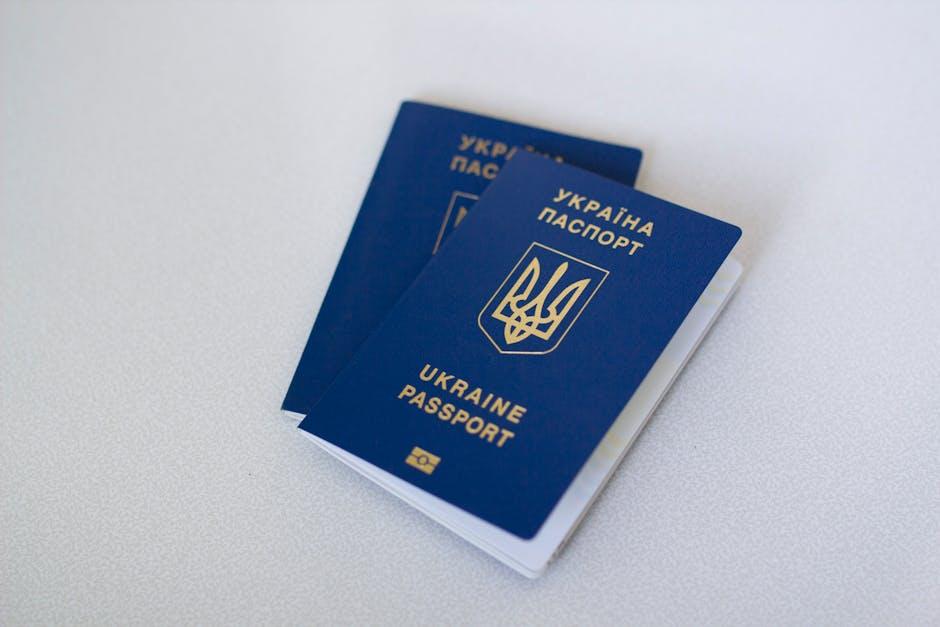
Understanding the Complex Benefits and Responsibilities of Dual Citizenship
Embracing two national identities opens the door to a world of unique advantages, but it also calls for a deep understanding of the intricate legal and social frameworks that come with it. Dual citizenship grants the freedom to live, work, and study in multiple countries without the usual visa constraints, offering unparalleled flexibility. Beyond practical benefits, it fosters a richer cultural connection and access to expanded healthcare, education, and social security systems. However, navigating tax responsibilities and ensuring compliance with the laws of both nations require diligent attention. This balance often challenges dual citizens to stay informed and proactive, making sure they respect the rights and duties assigned by each homeland.
With great privileges come equally important obligations that shape your global lifestyle. Dual citizens might face:
- Complex taxation rules requiring filing in both countries
- Military service obligations depending on national laws
- Legal restrictions on employment or property ownership that vary by country
- Passport usage protocols, such as picking the right document at border crossings
Understanding these complexities ensures you honor your commitments while leveraging the benefits that a dual passport offers. Balancing identities means more than just carrying two passports; it involves embracing responsibilities that keep your global journey smooth and legally sound.
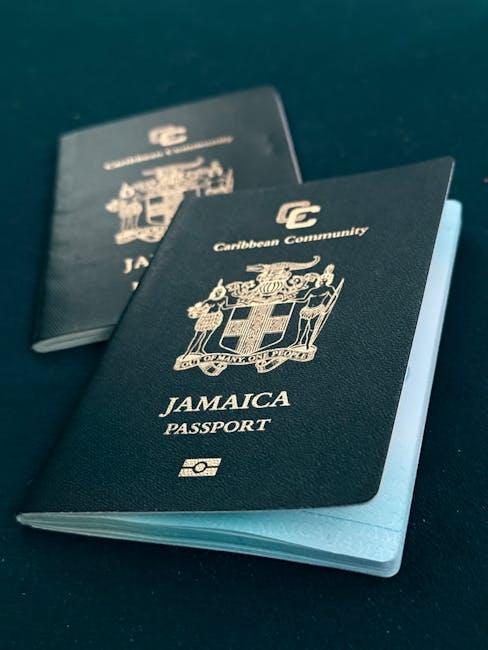
Balancing Legal Obligations Across Two Nations
Holding citizenship in two countries is a thrilling passport to diverse cultures and opportunities, but it also demands a keen awareness of the unique legal landscapes on both fronts. From tax responsibilities and military service to voting rights and property ownership, dual nationals must stay vigilant to ensure compliance without being overwhelmed. Each nation may have distinct rules regarding residency requirements, inheritance laws, or social security benefits, and balancing these obligations often requires expert guidance or thorough personal research.
When managing these complex intersections, it helps to map out critical legal commitments with clarity and precision. Here’s a simple breakdown of common areas where legal duties might overlap:
- Income tax declarations and possible double taxation treaties
- Civic duties such as jury service or compulsory military enrollment
- Legal rights related to property ownership and inheritance
- Requirements for renewing passports or updating personal records
| Legal Aspect | Country A | Country B |
|---|---|---|
| Income Tax Filing | Annual mandatory | Depends on residency |
| Military Service | Required once | Voluntary |
| Voting Rights | Local and national | National only |
Cultural Integration and Identity Challenges
Living with a dual passport often means inhabiting two worlds simultaneously, each with its own customs, values, and expectations. This unique position can spark a constant internal dialogue, where one questions which identity feels more authentic or which culture to prioritize in various life situations. The fusion of backgrounds enriches personal perspectives but also presents moments of confusion and alienation, especially in social gatherings where cultural norms might clash. Navigating this balance requires resilience and adaptability, as individuals strive to weave their dual heritage into a coherent sense of self.
The process of cultural integration isn’t linear; it often involves complex negotiations between belonging and individuality. Challenges can include:
- Language barriers that affect communication and connection.
- Conflicting societal expectations that create pressure to conform.
- Identity fragmentation where one feels split between two cultural narratives.
To illustrate, consider this simplified overview of how cultural influences can shape identity dynamics:
| Aspect | Culture A Influence | Culture B Influence | Resulting Identity Effect |
|---|---|---|---|
| Language | Formal, reserved | Expressive, casual | Flexible communication style |
| Family Values | Collectivist, tradition-focused | Individualistic, progressive | Blended value system |
| Social Norms | Conservative | Open-minded | Adaptive social behavior |
Maximizing Travel and Employment Opportunities Abroad
Having a dual passport can open doors to an exceptional range of travel options, allowing holders to bypass stringent visa requirements and enjoy the flexibility of choosing the best entry point based on convenience or political stability. Moreover, it can drastically reduce travel time and costs, turning what would typically be arduous border checks into seamless crossings. Key advantages include:
- Access to more countries without pre-approved visas
- Ability to enter countries during political or diplomatic tensions
- Eligibility for multiple citizenship benefits like social security or healthcare
- Opportunities to work in two different labor markets legally
For the globe-trotting professional, a dual passport can be a career catalyst by broadening potential employment markets halfway across the world. This can translate into exclusive job opportunities in industries such as international business, diplomacy, and technology, where dual citizenship is a prized advantage. Employers often view dual citizens as valuable assets due to their ability to navigate diverse cultural environments and legal systems.
Consider this comparison of employment benefits associated with dual versus single citizenship:
| Feature | Single Passport | Dual Passport |
|---|---|---|
| Work Permit Requirements | Often required and time-consuming | Frequently exempted or simplified |
| Access to Local Job Markets | Limited to one country | Expanded to multiple countries |
| Professional Networking | Restricted to one cultural context | Diverse and extensive |
| Long-term Residency | Dependent on employment visa | Automatic or expedited |
Practical Tips for Maintaining Compliance and Avoiding Pitfalls
Mastering the delicate dance of dual citizenship requires vigilance and a proactive mindset. Always keep both passports within reach and renew them well before expiration to sidestep unexpected travel roadblocks. Stay informed on the legal nuances of each country’s citizenship laws, especially regarding taxes, military service, and voting rights. Maintaining meticulous records of your travel, residency, and any communications with government agencies can serve as a safety net in case of bureaucratic inquiries or compliance checks.
- Update addresses and contact info with both embassies to ensure smooth communication.
- Declare foreign income to avoid surprises during tax season.
- Understand exit and entry requirements to prevent inadvertent visa violations.
| Common Pitfall | Easy Preventative Action |
|---|---|
| Expired passport on critical travel dates | Schedule renewal 6 months prior |
| Unreported dual income | Consult tax professional familiar with dual citizenship |
| Missing military obligations | Check legal exemptions promptly |
Future Outlook
In the ever-shrinking world we inhabit, carrying a double identity through dual passports is more than a mere legal status—it’s a bridge between cultures, opportunities, and perspectives. Navigating life with this unique advantage invites both challenges and freedoms, prompting a continuous dance between belonging and exploration. As borders blur and identities intertwine, the dual passport bearer becomes a modern-day traveler not only in geography but in the rich landscapes of human experience, embracing a complex yet rewarding journey that is uniquely their own.