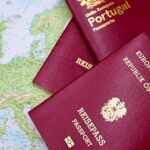
In a world increasingly interconnected by borders that blur and cultures that intertwine, the concept of identity has taken on new dimensions. Dual citizenship, a phenomenon once reserved for diplomatic elites or historical anomalies, now shapes the lives of millions navigating complex social, legal, and emotional landscapes. “Double Identity: Navigating the World of Dual Citizenship” explores the multifaceted experience of holding two nationalities—balancing rights and responsibilities, allegiance and opportunity, heritage and belonging. This journey into dual citizenship reveals not only legal intricacies but also the profound human stories at the heart of having more than one home.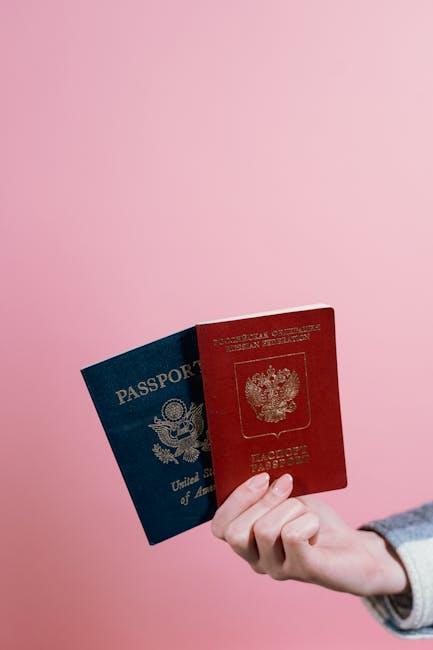
Understanding Dual Citizenship and Its Global Landscape
Owning two passports is more than just a bureaucratic convenience; it’s a fascinating bridge between cultures, legal systems, and personal identities. Dual citizenship allows individuals to enjoy the best of both worlds, offering access to broader travel freedoms, diverse economic opportunities, and the ability to engage more deeply with multiple communities. However, it also comes with layers of responsibility and complexity, such as the necessity to navigate different tax laws, military obligations, and the potential for conflicting allegiances. The global landscape of dual citizenship is intricate, shaped by varying national policies that range from complete acceptance to strict prohibition.
Understanding how countries approach dual citizenship involves examining key factors such as:
- Legal recognition – Some nations allow unrestricted dual citizenship, while others only permit it under specific circumstances, like marriage or descent.
- Rights and duties – Dual citizens might face unique obligations, including taxation and compulsory service, which differ country by country.
- Global mobility – The power of a passport varies highly, influencing where dual citizens can live, work, or vote.
| Country | Dual Citizenship Status | Notable Restriction |
|---|---|---|
| Canada | Permitted | No loss of citizenship upon acquiring another |
| Japan | Restricted | Requires choosing one citizenship by age 22 |
| Germany | Conditional | Generally disallowed unless EU or Swiss citizenship |
Legal Complexities and Responsibilities in Holding Two Passports
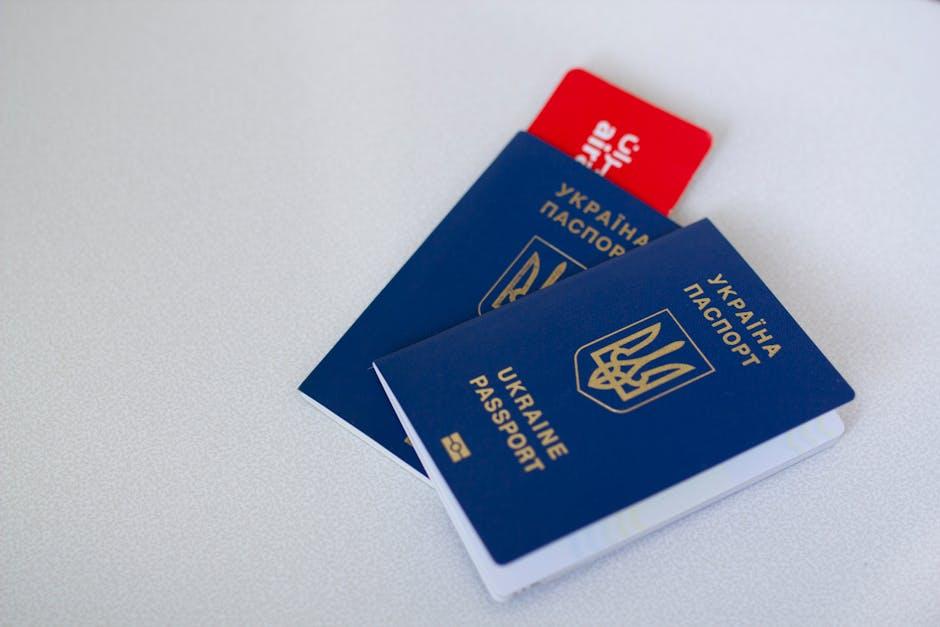
Juggling two passports is more than just a convenience—it introduces a web of legal responsibilities that can vary drastically from one country to another. Tax obligations often top the list, as some nations tax worldwide income while others focus solely on domestic earnings. This means dual citizens must stay vigilant in understanding each country’s fiscal rules to avoid penalties or double taxation. Beyond taxes, there are mandatory commitments such as military service in certain nations, which could impact your travel plans or residency status. Navigating these nuances requires a keen awareness of the distinct legal frameworks that govern each citizenship.
Moreover, holding dual citizenship can complicate matters like legal jurisdiction and diplomatic protection. For example, if you encounter legal issues abroad, which country holds the right to intervene on your behalf? The answer often depends on the location and nature of the incident, and can lead to conflicting diplomatic obligations. To clarify these elements visually, consider the table below showcasing typical responsibilities tied to dual citizenship:
| Responsibility | Implications for Dual Citizens | Common Challenges |
|---|---|---|
| Tax Filing | Must comply with both countries’ tax laws | Double taxation, complex reporting |
| Military Service | Potential conscription in one or both countries | Legal duty conflicts, service deferment |
| Legal Jurisdiction | Obligation to respect laws of either country | Conflicting legal processes |
| Diplomatic Protection | Access to assistance from both countries | Limited protection if in the other country |
Cultural Integration and Identity Challenges for Dual Citizens
Living with two national identities often means navigating a rich tapestry of traditions, languages, and social expectations that can both enrich and challenge a person’s sense of self. Dual citizens frequently find themselves balancing conflicting cultural norms, where holidays, family dynamics, and even communication styles diverge. This balancing act can deepen empathy and create a versatile worldview, but it also sometimes triggers feelings of being caught between worlds, leading to questions like, “Where do I truly belong?” or “Which culture defines me?”
To cope with these identity dynamics, many dual citizens employ strategies that blend their backgrounds into a cohesive personal culture. Some embrace a hybrid identity that integrates elements from both cultures, while others may switch between cultural expressions depending on context. The following table highlights common challenges alongside typical adaptive responses among those living with dual citizenship:
| Challenge | Adaptive Response |
|---|---|
| Language barriers or preference | Learning or maintaining fluency in both languages |
| Conflicting family expectations | Negotiating and blending traditions with loved ones |
| Feeling socially out of place | Building diverse social circles that reflect dual heritage |
| Legal and civic obligations | Staying informed and compliant in both countries |
Financial Implications and Taxation Considerations to Navigate
Stepping into the realm of dual citizenship often means unlocking diverse financial opportunities, but it also introduces complexity when it comes to managing wealth across borders. Balancing taxes can be particularly challenging, as both countries involved may require you to declare global income. This often necessitates meticulous bookkeeping and professional advice. Tax treaties between countries can help ease burdens by preventing double taxation, but they are not universal, so it’s crucial to understand the specific agreements relevant to your citizenships.
Moreover, dual citizens should be aware of varying reporting requirements, such as the Foreign Bank Account Report (FBAR) in the U.S. or similar rules elsewhere. These can include:
- Declaration of foreign assets
- Compliance with inheritance tax laws
- Understanding capital gains treatment when selling property abroad
| Financial Aspect | Consideration | Potential Impact |
|---|---|---|
| Tax Residency | Determining primary tax home | Affects global income taxation |
| Inheritance Laws | Different rules per country | Estate planning complexity |
| Investment Accounts | Reporting and taxation standards | Possible withholding taxes |
Practical Tips for Managing Rights and Obligations Effectively
When juggling rights and responsibilities across two nations, organization is your best ally. Create a system to track key dates such as tax deadlines, passport renewals, and voting registration periods. Maintaining separate calendars or using digital reminders ensures you never miss a critical obligation. Additionally, staying informed about legal changes in both countries can save you from unexpected complications. Subscribe to official government newsletters or reputable expatriate forums to keep your knowledge current and comprehensive.
Another smart approach is to lean on professional assistance when necessary. Consulting with immigration attorneys or financial advisors familiar with dual citizenship nuances can unravel complex issues before they become problems. Below is a quick reference table highlighting common dual citizenship duties and potential solutions for managing them efficiently:
| Responsibility | Management Tip | Helpful Resource |
|---|---|---|
| Tax Filing | Use a dual-national tax expert | IRS International Tax |
| Military Service | Check conscription laws early | Embassy Legal Office |
| Voting Rights | Register in both countries if allowed | Official Electoral Commissions |
Insights and Conclusions
In the intricate dance of dual citizenship, individuals find themselves weaving between cultures, laws, and identities—each thread adding depth to their personal tapestry. Embracing a double identity is more than a legal status; it is a unique journey of belonging and self-discovery. As borders blur and the world grows ever more connected, navigating this complex landscape becomes both an opportunity and a challenge. Whether driven by heritage, opportunity, or circumstance, holding two passports invites us to rethink what it truly means to call a place home. In the end, dual citizenship is not just a matter of documents—it’s a testament to the multifaceted nature of modern identity itself.