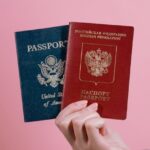
In an increasingly interconnected world, the concept of identity has taken on new dimensions—sometimes quite literally. For many, holding a single passport is a straightforward token of belonging, a simple key to cross borders. But for others, the possession of dual passports opens up a labyrinth of possibilities and challenges, weaving together threads of culture, legalities, and opportunity. “Double Identity: Navigating the World with Dual Passports” delves into this complex terrain, exploring what it truly means to live and travel with more than one national identity, and how individuals balance the privileges and responsibilities that come with carrying more than one key to the world.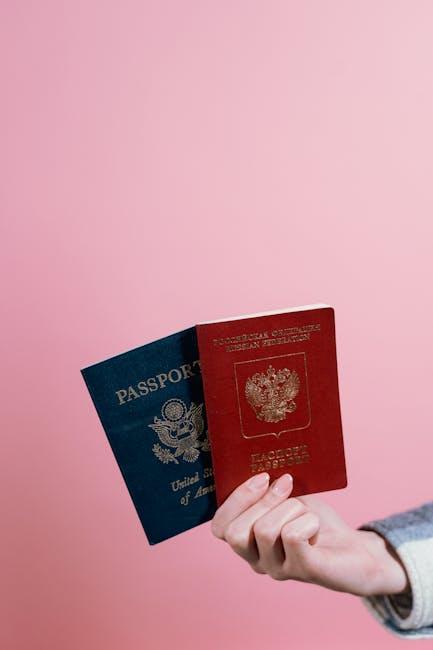
Understanding the Legal Landscape of Dual Citizenship
When holding two passports, you step into a complex web of laws that vary significantly from one country to another. While some nations openly welcome dual citizenship, others impose restrictions or even penalties. Understanding these legal nuances is crucial for anyone considering or currently navigating multiple nationalities. Key factors include:
- Whether the countries involved allow dual citizenship at all
- Legal obligations such as military service and tax liabilities in each country
- How citizenship affects rights like voting, work permits, and social security benefits
For example, countries like Canada and the United Kingdom are known for their flexible approach, whereas others like Japan require citizens to choose one nationality by a certain age. These differences can shape your daily decisions from travel to inheritance. The table below summarizes a few prominent countries and their stances on dual citizenship:
| Country | Allows Dual Citizenship | Major Restrictions |
|---|---|---|
| Canada | Yes | None |
| Japan | No | Must choose by age 22 |
| Germany | Limited | Often must renounce other citizenships |
| Brazil | Yes | Obliged to register if living abroad |
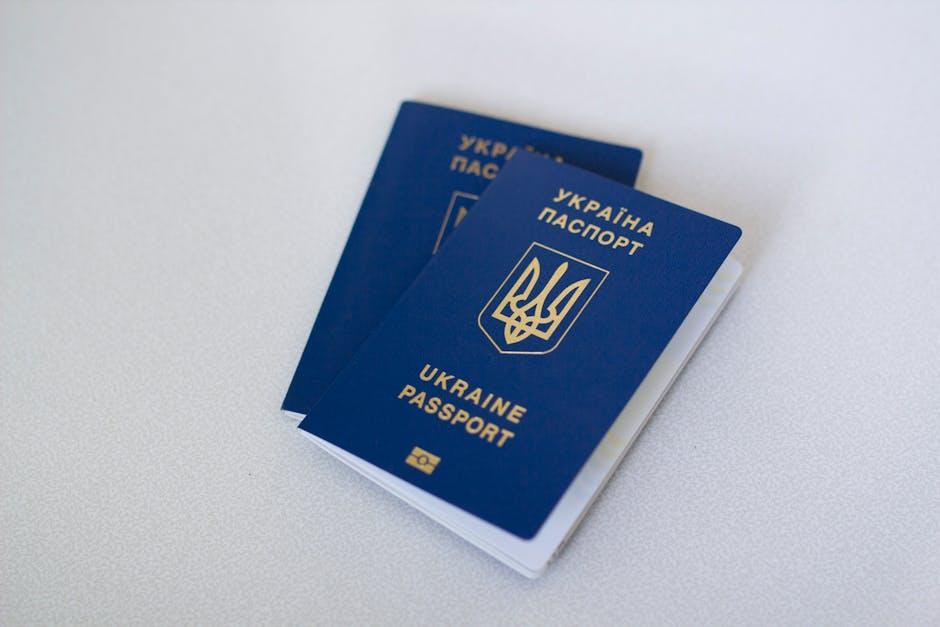
Maximizing Travel Freedom through Strategic Passport Use
Harnessing the power of dual passports can dramatically expand your global mobility, allowing you to bypass visa restrictions that typically apply to single citizenship holders. With careful planning, you can strategically select which passport to use to gain access to a wider range of countries without cumbersome visa processes or extended waiting times. This approach not only saves time but also offers the flexibility to switch seamlessly between national identities based on travel needs and destination visa policies.
To optimize this advantage, consider keeping track of key factors such as visa-free country counts, duration of allowed stays, and any ongoing diplomatic relations that might impact travel. Below is a handy comparison of typical benefits offered by dual passports:
| Passport | Visa-Free Countries | Maximum Visa-Free Stay | Beneficial Regions |
|---|---|---|---|
| Passport A | 150+ | 90 days | Europe, Americas |
| Passport B | 100+ | 180 days | Asia, Middle East |
- Alternate entry points: Use one passport for direct flights or faster immigration lines.
- Extended stays: Select the passport granting the longest permissible visit.
- Diplomatic flexibility: Stay informed on consular support available from either nationality.
Managing Tax Obligations and Financial Responsibilities
Holding dual passports unlocks incredible travel freedom but also introduces a layer of complexity to your fiscal landscape. Individuals must stay vigilant about the tax regulations in both countries, as obligations can differ drastically. For instance, some nations tax based on citizenship while others focus on residency. This means juggling tax returns, declarations of foreign income, and understanding how tax treaties between countries affect your liabilities. Craft a well-structured financial plan and engage professional advice to avoid penalties, double taxation, or unintended legal entanglements.
To assist in managing these responsibilities, consider the following essential strategies:
- Stay informed: Regularly review tax laws in both countries as regulations evolve.
- Maintain organized records: Keep detailed documentation of income, expenses, and financial transactions.
- Leverage tax treaties: Understand bilateral agreements that can minimize your tax burden.
- Consult cross-border experts: Seek accountants familiar with dual citizenship complexities.
| Country | Tax Basis | Key Consideration |
|---|---|---|
| Country A | Citizenship | Worldwide income taxed |
| Country B | Residency | Taxed on local income only |
Balancing Cultural Identity and Personal Security
Living between two worlds often means carrying more than just two passports — it carries the weight of reconciling distinct cultural landscapes with the vital need for personal security. Cultural identity, rich with heritage, language, and traditions, becomes a beacon of belonging, yet safeguarding oneself requires constant vigilance and adaptability. Navigating this delicate dance means embracing the duality without losing oneself. This journey shapes a unique personal narrative that respects ancestral roots while prioritizing safety through awareness of geopolitical realities.
Key challenges faced include:
- Maintaining cultural relationships amid geographic dispersion
- Understanding and adapting to differing laws and travel regulations
- Managing privacy and security risks from digital tracking
- Dealing with potential identity conflicts or stereotypes
| Aspect | Culture | Security |
|---|---|---|
| Focus | Heritage and customs | Legal protection and data privacy |
| Priority | Belonging and expression | Safety and control |
| Challenge | Integration without assimilation | Threat avoidance and risk management |
Tips for Seamless Navigation at International Borders
Mastering the art of crossing borders with dual passports requires finesse and foresight. Always carry both passports in your carry-on—never checked luggage—to ensure immediate access when required. When approaching immigration, present the passport that offers the smoothest entry or exit benefits for the specific country, but keep the other handy for visa stamps or onward travel documentation. Keeping a digital copy of each passport stored securely on your phone or cloud service adds an extra layer of security should you misplace the physical documents.
To streamline your experience, prepare a quick-reference guide listing key facts about each passport’s visa requirements and permissible duration of stays for your most frequented destinations. Below is a simple comparison to help decide which passport to present first:
| Passport | Visa-Free Countries | Max Stay Without Visa |
|---|---|---|
| Passport A | 120+ | 6 months |
| Passport B | 80+ | 3 months |
- Declare your dual citizenship upfront if asked, to avoid confusion or suspicion.
- Respect the laws and customs of the country you’re entering, as regulations on dual passports can vary widely.
- Maintain a respectful demeanor and be ready to explain your situation neatly if questioned.
Key Takeaways
In a world increasingly defined by fluid borders and interwoven cultures, carrying dual passports is more than just a convenience—it’s a symbol of multifaceted identity and opportunity. Navigating life with two nationalities offers a unique vantage point, but it also demands a nuanced understanding of complexities and responsibilities. Whether it’s the thrill of exploring new horizons or the challenge of balancing allegiances, living with a double identity invites us all to rethink what it means to belong. As borders blend and identities evolve, the dual passport holder becomes a living testament to the dynamic tapestry of our globalized era.