In an increasingly interconnected world, the concept of belonging to more than one nation has evolved from a rare anomaly into a multifaceted reality. Dual citizenship, often referred to as “dual bonds,” encapsulates not just the legal recognition of multiple national identities, but also the intricate web of cultural, social, and political ties that individuals navigate daily. This exploration delves into the complexities of joint citizenship, examining how it shapes personal identity, influences rights and responsibilities, and challenges traditional notions of nationality. As borders blur and global mobility expands, understanding the nuances of dual bonds becomes essential to grasp the modern human experience.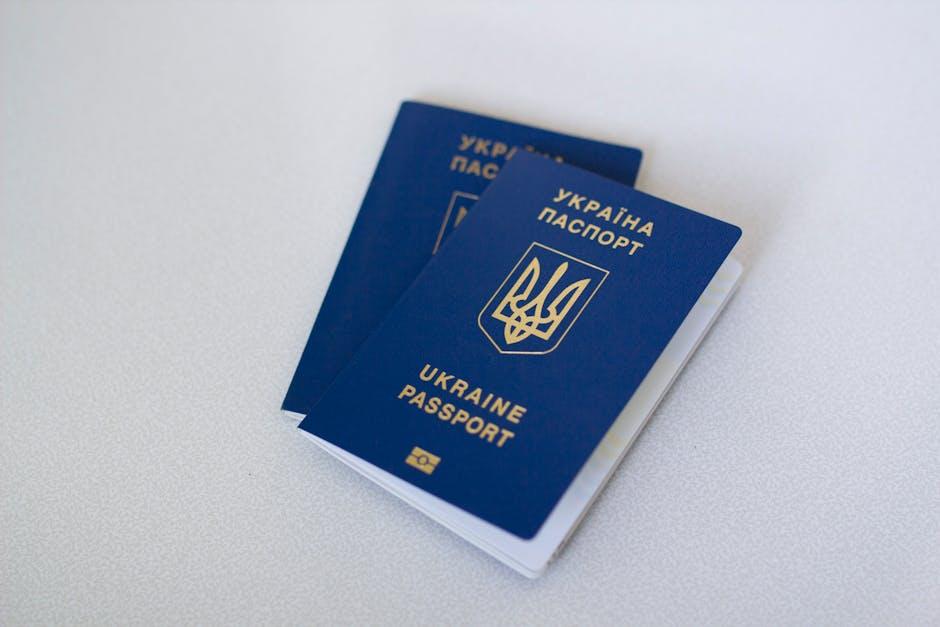
Understanding Dual Bonds Through Historical and Legal Lenses
Dual bonds in citizenship are not merely a modern legal construct but a dynamic product of historical evolution shaped by migration, empire, and international diplomacy. The complexities begin with the recognition that dual citizenship often reflects a dual allegiance, prompting challenges in sovereignty and identity that have been debated since the era of colonialism. Historically, individuals caught between the borders of empires or nations experienced shifts in belonging that defy simple categorization. This legacy invites us to reconsider citizenship beyond a single-national framework, emphasizing the personal and political entanglements that dual bonds embody.
From a legal perspective, dual citizenship introduces a multifaceted matrix where rights and responsibilities intersect. Countries vary widely in how they accommodate or restrict dual bonds, reflecting divergent priorities in national security, civic participation, and international relations. The legal landscape, thus, is a patchwork of rules governing:
- Political rights such as voting and holding public office
- Military obligations and conscription policies
- Tax liabilities across jurisdictions
- Travel and diplomatic protection afforded by each nationality
These factors create a complex legal identity that can empower or constrain the individual, depending on bilateral treaties and domestic laws.
| Country | Dual Citizenship Policy | Special Provisions |
|---|---|---|
| Canada | Permissive | Unrestricted rights, except for some public offices |
| Japan | Restrictive | Requires choosing one nationality by age 22 |
| Brazil | Permissive | Allows multiple citizenships freely |
| Germany | Conditional | Allows dual citizenship in EU/EFTA countries |

Navigating the Rights and Responsibilities of Joint Citizenship
Holding dual citizenship means embracing a unique blend of privileges and duties, often requiring a delicate balance between two legal systems and cultural identities. From voting rights to taxation, the landscape is rich with opportunities but also peppered with complex responsibilities. Understanding each country’s legal obligations—whether it’s mandatory military service, tax filing regulations, or residency requirements—is crucial for navigating this dual existence without unintentional breaches. The journey toward mastery of these intertwined rights involves continuous learning and regular consultation with legal experts familiar with the intricacies of both nations.
Key areas where dual citizens might face challenges include:
- Legal conflicts: Situations where laws from both countries might contradict or overlap.
- Travel considerations: Visa requirements, passport validity, and entry/exit documentation complexities.
- Civic participation: How and where one can vote, serve on juries, or hold public office.
- Tax obligations: Navigating the delicate balance of dual tax residency and avoiding double taxation.
| Responsibility | Potential Conflict | Suggested Solution |
|---|---|---|
| Military Service | Mandatory enlistment in both countries | Seek deferment or exemption based on residency status |
| Voting Rights | Eligibility to vote in only one country’s elections | Register in both jurisdictions and stay informed on local laws |
| Tax Filing | Double taxation on income | Utilize tax treaties and consult with cross-border tax advisors |
Cultural Identity and Social Integration in Dual Citizenship
Navigating dual citizenship often means balancing the intricacies of cultural identity with the practicalities of social integration. For many, holding two passports is more than legal status—it’s a continuous negotiation between heritage and adopted belonging. This duality can foster enriched worldviews but also evoke feelings of cultural dissonance. Individuals might find themselves adapting traditions to fit new social contexts or blending languages in daily conversations, creating a unique hybrid identity that resists singular definition.
Social integration under joint citizenship unfolds through a variety of experiences:
- Building community ties in multiple cultural landscapes
- Engaging with diverse social networks that span nations
- Balancing allegiance and participation in civic life across borders
- Navigating contrasting societal values and norms
The ability to weave these threads into a coherent self often depends on personal resilience and supportive environments. Below is a simple comparison of cultural challenges faced by dual citizens in different integration phases:
| Integration Phase | Common Cultural Challenge | Support Strategy |
|---|---|---|
| Initial Adaptation | Language barriers | Language immersion programs |
| Community Engagement | Acceptance in social groups | Cultural exchange events |
| Long-Term Belonging | Balancing dual loyalties | Civic participation opportunities |
Challenges and Opportunities in Diplomatic Relations
Dual citizenship introduces a nuanced layer to international diplomacy, where states must carefully navigate shared identities without compromising sovereignty. It fosters a unique bridge by cultivating mutual understanding and cross-cultural alliances. However, this intertwining of allegiances can also spark diplomatic tensions due to conflicting national interests or legal frameworks. Governments find themselves balancing the protection of their nationals abroad while respecting the overlapping rights and obligations embedded in dual citizenship. Such diplomatic tightrope walking demands continuous dialogue and adaptive policies that respect both individual rights and national prerogatives.
Key challenges and opportunities include:
- Legal Complexity: Harmonizing laws and regulations across countries that recognize dual citizenship.
- Security Concerns: Addressing potential dual loyalties in matters of national security without alienating citizens.
- Economic Advantages: Leveraging dual nationals as cultural ambassadors to foster trade and investment.
- Consular Services: Coordinating diplomatic resources efficiently to support citizens with dual status.
| Diplomatic Aspect | Potential Benefit | Associated Risk |
|---|---|---|
| Legal Frameworks | Promotes cross-border cooperation | Conflicting jurisdiction issues |
| Security Policies | Enhanced vigilance with shared intelligence | Divided national loyalties |
| Economic Relations | Increased bilateral trade | Unequal economic obligations |
Practical Advice for Managing Dual National Status Effectively
Understanding the legal frameworks of each country involved is paramount. Dual citizens should maintain updated knowledge about their rights and obligations, such as tax filings, mandatory military service, voting requirements, and passport regulations. Staying informed through government websites and consulting with immigration experts helps avoid unwanted legal entanglements and fosters smoother international navigation.
Organizing documentation and personal records is another cornerstone of managing joint citizenship. Keeping all passports, visas, and identification cards in a secure, easily accessible location can prevent stressful last-minute searches. Additionally, consider maintaining a personalized checklist to track renewal dates and deadlines, minimizing interruptions in travel or residency privileges. Sometimes, using digital tools or apps designed for document management can simplify this process.
| Aspect | Tip |
|---|---|
| Tax Filing | Consult a dual-citizen tax advisor |
| Travel | Use the passport of the country you’re entering |
| Military Service | Verify obligations early |
| Voting | Register separately in each country |
To Conclude
In unraveling the intricate tapestry of dual bonds and joint citizenship, we glimpse a world where identity is no longer a singular thread but a rich weave of cultures, loyalties, and legal ties. As borders blur and global connections deepen, dual bonds challenge us to rethink the meaning of belonging—not as a fixed point but as a dynamic journey. Navigating these complexities requires more than policies and paperwork; it calls for empathy, understanding, and a willingness to embrace multiplicity without losing oneself. Ultimately, joint citizenship is a testament to the evolving human story, where interconnectedness transcends geography and redefines the very essence of home.