
In an increasingly interconnected world, the concept of belonging is evolving beyond singular borders. Dual citizenship, once a rarity, now embodies the complex tapestry of modern identity—woven from threads of two distinct nations, cultures, and legal systems. Navigating the benefits and challenges of holding allegiance to more than one country invites questions that reach far beyond passports and visas. It touches on the deeper human experience of connection, obligation, and self-definition in a global age. This article explores the multifaceted journey of dual citizenship, unraveling what it means to live—and legally belong—to two nations at once.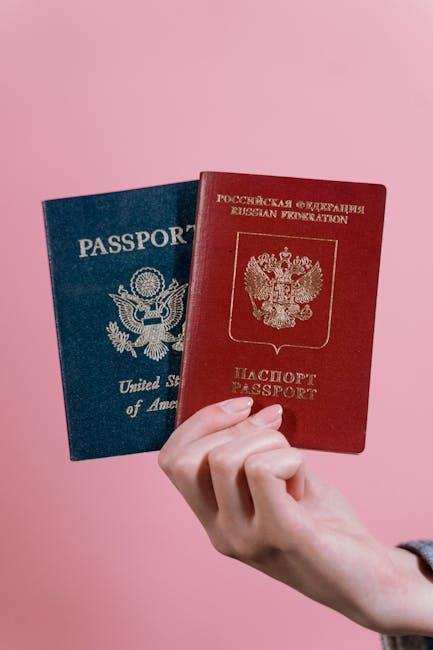
Understanding Dual Citizenship and Its Legal Landscape
Dual citizenship is more than just holding a passport from two countries; it’s a legal and cultural balancing act that shapes an individual’s sense of self and their rights on a global stage. This status allows a person to enjoy the privileges and responsibilities of two nations simultaneously, but it also presents a complex legal tapestry woven from different national laws and policies. Understanding the nuances of dual citizenship requires a look at key legal principles such as jurisdictional sovereignty, tax obligations, and military service requirements, all of which vary widely depending on each country’s stance.
To fully grasp the legal implications, it’s essential to consider how countries differ in their treatment of dual citizens. Some embrace it openly, allowing unrestricted rights and freedoms, while others impose conditions or even prohibit it. Here’s a snapshot of common legal factors affecting dual citizens:
- Legal recognition: Whether the country officially acknowledges dual nationality.
- Diplomatic protection: Which nation’s laws apply and when.
- Voting rights: Eligibility to participate in elections in one or both countries.
- Tax responsibilities: Double taxation and financial reporting obligations.
- Restrictions: Limits on government jobs or property ownership.
| Country | Dual Citizenship Policy | Key Legal Consideration |
|---|---|---|
| Canada | Permitted | Allows full rights without renouncing original citizenship |
| Japan | Not fully recognized | Requires choice of one nationality by age 22 |
| Germany | Conditional | Permit granted in limited cases, usually requiring permission |
| Australia | Permitted | No need to renounce other citizenships |
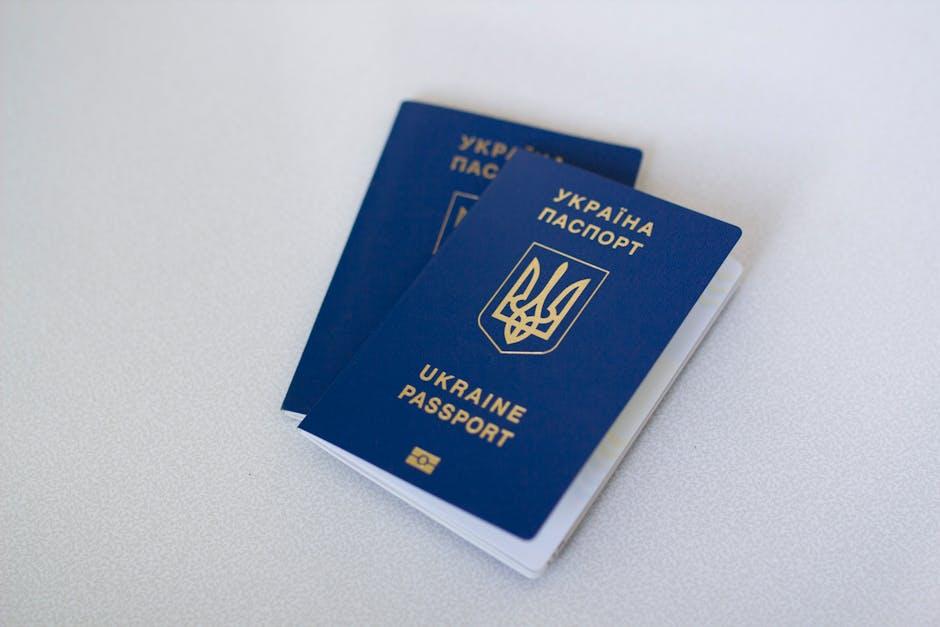
Balancing Cultural Identity When Living Between Nations
Living between two nations often means weaving together a tapestry of traditions, languages, and values that shape your sense of self in unique ways. Maintaining a balance requires embracing the fluidity of your identity rather than confining yourself to rigid definitions. This can involve selectively integrating customs that resonate with your core beliefs and carving out new hybrid traditions that acknowledge both heritages. It’s a continuous, evolving journey—sometimes challenging, always enriching—that invites you to redefine home as a multifaceted concept rather than a fixed place.
At times, conflicting perspectives and cultural expectations may arise, making navigation tricky. To help, consider these strategies:
- Open dialogue: Engage with family and community to share experiences and understand differing viewpoints.
- Language practice: Preserve fluency in both languages to deepen emotional connection and cultural awareness.
- Flexible celebrations: Combine holidays and rituals in ways that feel authentic and meaningful to you.
| Challenge | Adaptive Approach |
|---|---|
| Feeling out of place | Cultivate a personal definition of belonging |
| Pressure to choose | Embrace duality instead of exclusivity |
| Language barriers | Consistent practice and cultural immersion |
| Social expectations | Set boundaries while respecting traditions |
The Practical Benefits and Challenges of Holding Two Passports
Navigating the world with dual citizenship brings a unique blend of freedom and complexity. On one hand, holders often enjoy unrestricted travel access between their two countries, bypassing the usual visa hurdles that many encounter. This convenience extends beyond travel; it often includes voting rights in both nations, eligibility for social benefits, and even dual taxation opportunities—which, when managed wisely, can be financially advantageous. Moreover, dual citizens may access educational resources and healthcare systems in both countries, broadening their options. However, this duality can invite challenges like balancing cultural expectations and adhering to the distinct legal responsibilities each country demands.
- Benefit: Increased mobility and fewer visa restrictions
- Benefit: Access to social services and voting rights in two nations
- Challenge: Complex tax filing requirements and potential double taxation
- Challenge: Navigating conflicting laws, such as military service or legal obligations
- Challenge: Managing identity and belonging across diverse cultural landscapes
| Aspect | Benefit | Challenge |
|---|---|---|
| Travel | Visa-free access to 2 countries | Dual passport regulations |
| Legal Status | Rights in both nations | Conflicting laws & military duty |
| Taxation | Tax planning opportunities | Complicated tax filings |
Navigating Tax Obligations and Government Responsibilities
Balancing tax obligations in two countries can be complex for dual citizens, who must stay informed about each nation’s specific requirements to avoid legal pitfalls. It’s essential to understand how each country taxes your global income and whether there are treaties in place to prevent double taxation. Many dual nationals find themselves juggling multiple tax returns, exemptions, and credits, which calls for meticulous record-keeping and sometimes professional advice. Key factors to consider include:
- Residency status and its impact on tax liability
- Reporting income earned abroad
- Filing deadlines and documentation required
- Available tax treaties or relief policies
Beyond personal responsibility, governments also have a duty to provide clear guidance and support to dual citizens navigating these obligations. This includes accessible tax information, streamlined compliance processes, and cooperative agreements between the nations. The table below highlights some common government responsibilities and protections aimed at easing the tax burden for dual citizens:
| Government Role | Purpose |
|---|---|
| Tax Treaty Agreements | Prevent double taxation by defining taxing rights |
| Information Portals | Provide clear guidelines and resources for compliance |
| Joint Tax Audits | Coordinate investigations to reduce duplication |
| Helpline Services | Offer personalized support for complex cases |
Strategies for Embracing Dual Loyalties with Confidence
Balancing allegiances to two nations requires more than just paperwork—it demands a mindset that embraces complexity without compromising authenticity. One effective approach is to actively engage in cultural exchange activities that help nurture a sense of belonging in both communities. Whether attending festivals, learning native languages, or participating in civic discussions, these actions build bridges that reinforce your dual identity. Confidence in embracing dual loyalties often comes from acknowledging the richness of having multiple perspectives, and sharing this wealth in everyday interactions strengthens your unique place in each world.
Creating routines that honor each culture’s traditions can provide a grounded rhythm to your cross-national life. For example:
- Celebrate national holidays from both countries with family and friends.
- Incorporate diverse culinary traditions into your meals.
- Stay informed about political and social developments in each nation.
These deliberate practices foster harmony between identities, transforming potential conflicts into opportunities for growth. To illustrate how embracing dual loyalties can enrich your life, consider the table below:
| Aspect | Benefit of Dual Citizenship |
|---|---|
| Social Connections | Access to diverse communities and expanded networks |
| Career Opportunities | Ability to work in multiple countries with ease |
| Personal Growth | Enhanced cultural awareness and adaptability |
Future Outlook
In the intricate dance of dual citizenship, individuals weave together the threads of two nations, crafting identities that transcend borders and challenge singular definitions of belonging. Navigating this layered existence requires both introspection and adaptability, as the privileges and responsibilities of dual allegiance shape not only legal status but personal narratives. As the world grows ever more interconnected, embracing the complexities of dual citizenship invites us to rethink identity—not as a fixed point on a map, but as a fluid journey between cultures, histories, and futures. Ultimately, the story of dual citizenship is one of connection: a bridge that binds and broadens, reminding us that identity, like the world itself, is beautifully multifaceted.




