In a world growing ever smaller through globalization and migration, the concept of identity is evolving beyond borders and passports. Dual citizenship, once a rarity, now serves as a bridge connecting individuals to two distinct cultures, legal systems, and senses of belonging. Navigating life with dual nationalities means balancing the privileges and responsibilities that come with embracing multiple identities. This article explores the nuanced journey of living between two worlds, where loyalty, opportunity, and self-understanding intersect in complex and often unexpected ways.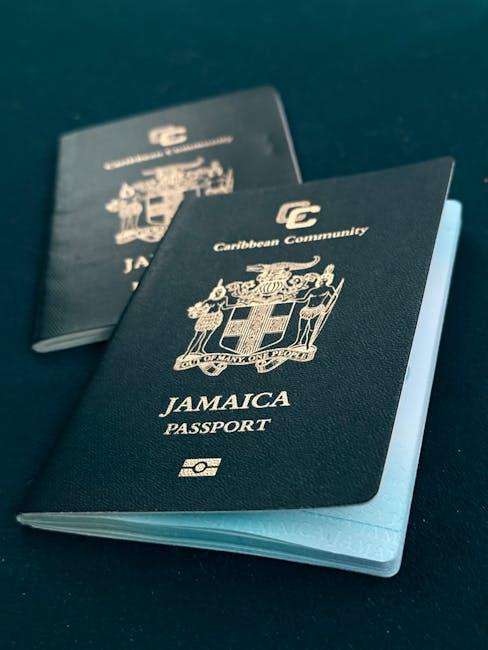
Understanding Dual Citizenship and Its Legal Landscape
Dual citizenship weaves a complex tapestry of legal privileges and responsibilities, often challenging traditional notions of national allegiance. In many countries, holding two passports means more than just increased travel freedom—it represents a intertwining of legal systems, each with its distinct rules governing taxation, military obligations, and political participation. Navigating these waters requires a robust understanding of how each country’s laws interact, where conflicts might arise, and how to manage any potential legal repercussions effectively.
Key considerations often revolve around:
- Taxation Policies: Understanding dual tax obligations or benefits based on treaties.
- Legal Rights: Access to social services, voting rights, and property ownership in both nations.
- Military Service: Duties or exemptions regarding conscription or service requirements.
- Renunciation and Retention: Conditions under which one might be required to give up a citizenship.
| Aspect | Country A | Country B |
|---|---|---|
| Tax Filing | Required annually | Tax based on residency |
| Military Service | Mandatory, age 18-25 | Voluntary enlistment |
| Voting Rights | National and local elections | National elections only |
| Dual Citizenship Allowed | Yes | Yes, with registration |
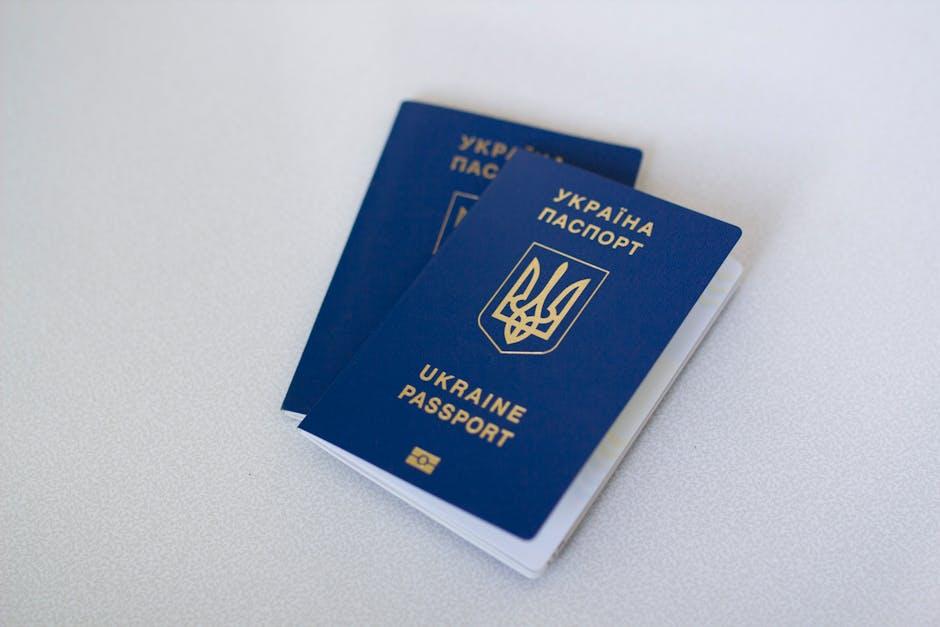
Balancing Cultural Identity in a Dual World
Living between two cultures offers a rich tapestry of experiences, yet it also brings the challenge of reconciling differing worldviews. Individuals embracing dual citizenship often find themselves walking a delicate line, balancing the values and traditions inherited from both nations. This dynamic can foster greater empathy and adaptability, but it may also lead to moments of internal conflict — particularly when cultural norms or societal expectations clash. By consciously acknowledging and embracing these complexities, one crafts a unique, hybrid identity that transcends geographical boundaries.
Successful navigation of a dual cultural identity involves more than mere tolerance; it demands active engagement and reflection. Here are key strategies often used by those who thrive in this space:
- Maintaining language fluency to keep alive the nuances of each culture.
- Celebrating festivals and customs from both heritages to strengthen emotional ties.
- Establishing community connections that provide support and shared understanding.
- Creating personal rituals that integrate elements from both worlds into daily life.
| Challenge | Adaptive Approach |
|---|---|
| Conflicting values | Open dialogue and selective integration |
| Feeling of not belonging | Building inclusive social networks |
| Language barriers | Regular practice and immersion |
Practical Challenges and Benefits of Holding Two Passports
Balancing life with dual citizenship is like walking a tightrope between two vibrant cultures — exhilarating but sometimes tricky. While holding two passports opens doors to a world of opportunities, such as ease of travel, work, and education across borders, it also brings with it complex legal obligations and the potential for conflicting loyalties. Navigating taxes, military service requirements, and residency rules can be complicated, demanding a thorough understanding of each country’s regulations. Additionally, some countries may not recognize dual citizenship, leading to limitations or difficult diplomatic situations.
Despite these challenges, the benefits of dual citizenship shine brightly. Here are a few key advantages that make the journey worthwhile:
- Global Mobility: Freedom to travel without visas between two or more countries.
- Economic Access: Ability to work, invest, and own businesses internationally.
- Cultural Enrichment: Deep connection to multiple cultural identities and communities.
- Family Security: Easier access to educational systems and healthcare for you and loved ones.
| Aspect | Potential Challenge | Advantage |
|---|---|---|
| Legal Status | Conflicting laws or obligations | Dual protection under two legal systems |
| Travel | Managing multiple entry requirements | Visa-free travel to more countries |
| Taxes | Double taxation possibilities | Access to favorable tax treaties |
Navigating Taxation and Civic Responsibilities Abroad
Embracing dual citizenship often means dancing between the distinct tax landscapes of two nations. It’s essential to grasp how each country views your income, assets, and obligations to avoid unexpected penalties or double taxation. Many countries have intricate treaties designed to ease this burden, but the responsibility lies in knowing which laws apply and when. Careful record-keeping and consulting with tax professionals versed in international law become indispensable tools for maintaining compliance without sacrificing financial peace of mind.
Furthermore, beyond taxation, dual citizens carry a tapestry of civic duties. From voting rights to jury service, these responsibilities vary significantly and can even overlap, presenting both opportunities and challenges. Some nations require mandatory military service, while others emphasize civic participation differently. Staying informed about these requirements ensures you honor the commitments tied to your dual nationality, nurturing a balanced relationship with both homelands.
| Country | Taxation Focus | Civic Responsibility |
|---|---|---|
| Country A | Global Income Tax | Voting & Jury Duty |
| Country B | Residency-Based Tax | Military Service |
| Country C | Double Taxation Treaty | Mandatory Civic Engagement |
Strategies for Embracing Dual Belonging with Confidence
Embracing two cultures means weaving together distinct identities into a single, vibrant tapestry. To confidently navigate this dual belonging, cultivate a mindset of cultural curiosity: actively explore traditions, languages, and histories without judgment. This openness allows you to honor both heritages authentically, rather than feeling pulled in opposite directions. Regular reflection on what each culture adds to your life can transform the experience from conflict to complement, enriching your personal narrative.
Building a supportive network is equally essential. Surround yourself with communities that understand the nuances of dual citizenship, whether through cultural groups, friends, or online forums. Consider these strategies to solidify your connection to both worlds:
- Celebrate traditions: Observe holidays and rituals from both cultures, blending them creatively to make unique personal customs.
- Bilingual fluency: Practice language skills in daily life to maintain a deep connection to cultural nuances.
- Story sharing: Engage in conversations where you share and listen to stories from both backgrounds.
- Mindful boundaries: Recognize when to embrace aspects of one identity and when to step back, creating balance without pressure.
In Summary
In the intricate dance of dual citizenship, individuals find themselves weaving together the threads of two cultures, two histories, and two identities. This unique legal and emotional landscape offers both opportunities and challenges—a chance to belong in multiple places at once, while also navigating the complexities that come with divided loyalties and blended traditions. As the world continues to shrink and diversify, dual citizenship stands as a testament to the evolving nature of identity itself: fluid, multifaceted, and ever-adaptive. Ultimately, embracing both worlds can enrich one’s perspective, reminding us that identity is not confined to a single place, but rather expansive enough to hold many stories, many homes.