In an increasingly interconnected world, the concept of identity stretches beyond borders, weaving together cultures, histories, and legal affiliations into a complex tapestry. Dual citizenship—holding formal allegiance to two nations simultaneously—embodies this modern reality. It is more than a legal status; it is a living negotiation of belonging, loyalty, and self-understanding across geographic and cultural divides. This article explores the multifaceted journey of dual citizens as they navigate the delicate balance between preserving distinct national identities and embracing a broader, global sense of home. Through this lens, we uncover how dual citizenship reshapes notions of identity and belonging in a world that is both more divided and more united.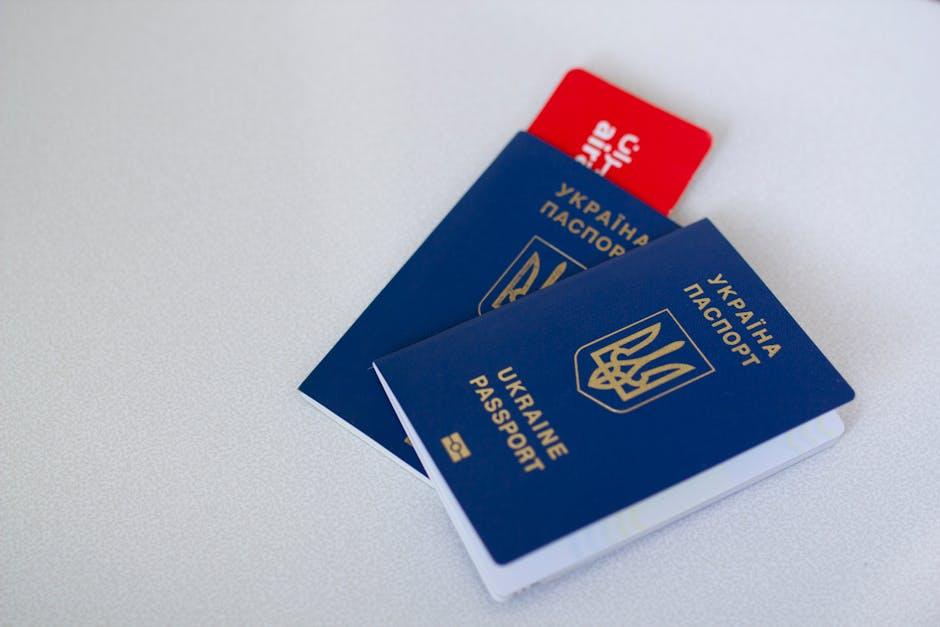
Understanding Dual Citizenship Through Personal and Legal Lenses
Dual citizenship offers a unique perspective on identity, merging the deeply personal with the legally complex. For many, holding two nationalities means weaving together diverse cultural traditions, languages, and values into a singular self-concept. This experience can enrich one’s worldview, blending emotional ties to two homelands and fostering a sense of global belonging. However, navigating this duality often requires balancing the internal sense of identity with external perceptions, both from within the countries involved and the global community at large.
On the legal front, dual citizenship introduces intricate challenges and opportunities. Governments around the world vary widely in their approach to recognizing multiple citizenships, affecting rights such as voting, taxation, and military service. The following table illustrates a snapshot of typical legal considerations for dual citizens, highlighting the nuanced responsibilities that accompany this status:
| Aspect | Potential Benefit | Common Challenge |
|---|---|---|
| Voting Rights | Participate in elections in both countries | Restrictions or conflicting obligations |
| Taxation | Access to benefits and deductions | Double taxation or complex filing |
| Legal Protections | Consular support in emergencies | Conflicting legal status during disputes |
| Travel Freedom | Broader visa-free access | Potential scrutiny at borders |
- Personal Identity: A dynamic interplay of culture, heritage, and belonging.
- Legal Status: A complex framework requiring awareness and careful navigation.
- Global Perspective: An opportunity to forge connections beyond borders.
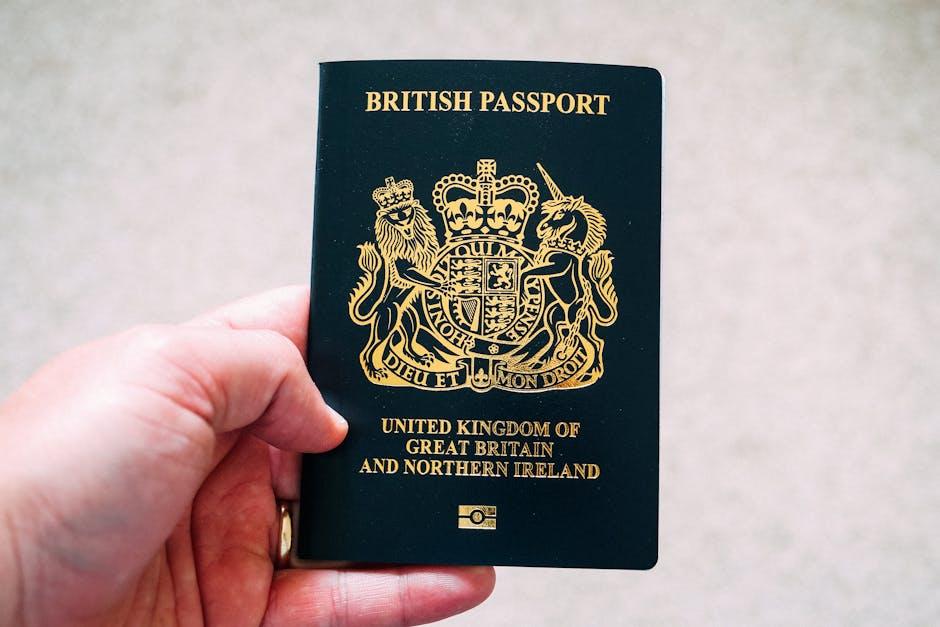
Balancing Cultural Identity and National Allegiance
Embracing dual citizenship often means engaging in a delicate dance between two worlds—one of cultural heritage and another of national allegiance. This dynamic interplay challenges individuals to honor the traditions and values of their ancestral roots while actively participating in the civic life of their adopted nation. It’s a balancing act that doesn’t just ask for legal status but invites continuous self-reflection: How do we maintain our unique cultural narratives without compromising our responsibilities to a broader community? For many, cultural identity is a source of pride, deeply woven through language, customs, and family ties, offering a sanctuary in the face of globalization.
Meanwhile, national allegiance often comes with expectations such as upholding laws, civic participation, and shared national values that may sometimes seem at odds with personal or cultural beliefs. Navigating these waters requires conscious choices, including:
- Understanding and respecting both countries’ civic duties
- Finding common ground in shared values like freedom, justice, and community
- Embracing the opportunity to be cultural ambassadors bridging nations
This balance transforms dual citizens into living symbols of global belonging—where the rich tapestry of identity is not diluted but expanded, weaving new connections across borders.
Challenges and Opportunities in Global Mobility
In today’s interconnected world, balancing the complexities of multiple national affiliations presents both obstacles and unparalleled prospects. Dual citizenship often means navigating a labyrinth of differing legal frameworks, cultural expectations, and bureaucratic processes. For many, this complexity translates into challenges such as tax obligations in multiple countries, varied military service requirements, or restrictions when voting. Additionally, the emotional tug of loyalty can lead to feelings of divided identity, making it difficult to fully belong to one community or the other.
However, the advantages can be just as profound. Multi-national citizens enjoy increased mobility, opening doors to diverse economic, educational, and social opportunities. They often benefit from the privilege of participating in multiple political systems, accessing broader healthcare options, and embracing multicultural experiences that enrich personal and professional growth. Consider this simple comparison of some common benefits:
| Benefit | Single Citizenship | Dual Citizenship |
|---|---|---|
| Travel Flexibility | Moderate | High |
| Voting Rights | One country | Multiple countries |
| Access to Services | Limited | Expanded |
| Cultural Exposure | Localized | Broad |
Navigating Legal Complexities and Responsibilities
Engaging with dual citizenship involves more than just embracing a new national identity; it means untangling a web of legal obligations that can impact your everyday life. Each country has its own set of rules regarding taxation, military service, and political participation that dual citizens must navigate carefully. For instance, tax liabilities might not simply vanish with a change in residency, often requiring individuals to file returns in both countries. Similarly, obligations such as mandatory military service might be triggered depending on your age, residence, and citizenship laws. Understanding these legal nuances is essential to avoid inadvertently breaching statutes and to fully exercise your rights as a global citizen.
- Tax compliances across jurisdictions
- Voting rights and political engagement
- Mandatory national service conditions
- Passport and travel regulations for dual nationals
To better visualize these responsibilities, consider how legal requirements might overlap or conflict:
| Responsibility | Country A | Country B | Impact on Dual Citizen |
|---|---|---|---|
| Income Tax Filing | Annual Filing Required | Annual Filing Required | Must file in both, potential double taxation unless treaty applies |
| Military Service | Mandatory for males 18-25 | Volunteer only | May need to fulfill in Country A or obtain exemption |
| Voting Rights | Allowed via absentee ballots | In-person only | May influence where voter engagement occurs |
By carefully evaluating these interconnected responsibilities, dual citizens can make informed decisions that honor their commitments while maximizing the benefits of their unique status. Legal counsel and thorough research are often invaluable allies in this complex journey.
Practical Tips for Embracing Dual Citizenship with Confidence
Mastering the art of dual citizenship begins with a clear understanding of your rights and obligations in both countries. Keep detailed records of important documents such as passports, visas, and residency permits to avoid legal pitfalls. Embrace communication channels—both online and offline—that connect you with local communities and diaspora groups. These networks not only offer emotional support but also practical advice on navigating cultural nuances, voting rights, and tax regulations. Regularly consult official government websites or legal experts to stay updated on policy changes that could affect your dual status.
Balancing two national identities doesn’t mean diluting either one; instead, it’s about harmonizing the best parts of both. Cultivate this dual sense of belonging by exploring traditions, language, and history from each nationality. Consider creating a personal calendar highlighting significant holidays, cultural festivals, and important civic deadlines in both countries. Below is a simple guide to keeping your dual citizenship organized:
| Task | Frequency | Tip |
|---|---|---|
| Renew Passports | Every 5-10 years | Set reminders 6 months prior |
| File Taxes | Annually | Consult dual tax treaties to avoid double taxation |
| Update Residency Documents | As required | Maintain legal residency status in both countries |
| Engage in Civic Life | Ongoing | Participate in elections and community events |
Future Outlook
In the intricate dance of dual citizenship, individuals weave together threads of identity, culture, and belonging, crafting a tapestry that transcends borders. As the world grows ever more interconnected, the ability to navigate multiple national allegiances invites both opportunity and introspection. Ultimately, dual citizenship is more than a legal status—it is a personal journey of embracing complexity, redefining home, and finding a place within the vast mosaic of global belonging.