In a world increasingly defined by borders both fluid and fixed, the concept of dual citizenship emerges as a passport not only to new geographies but to complex identities. It offers a unique vantage point—where two nations intertwine in a single legal status, blending cultures, rights, and responsibilities. Yet, beyond the practical benefits of travel and access, dual citizenship invites individuals to navigate the intricate landscape of belonging and self-definition. This article explores the multifaceted nature of holding allegiance to two countries, revealing the opportunities it unlocks and the challenges it poses for those living between worlds.
Understanding the Legal Landscape of Dual Citizenship
Stepping into the realm of dual citizenship requires a clear understanding of the complex legal frameworks governing nationality rights across different countries. Laws vary widely, influenced by historical ties, political climates, and international agreements. For instance, some nations recognize dual citizenship fully, allowing individuals to maintain their original nationality without restrictions. Others impose strict limitations or outright bans, where acquiring a second citizenship may result in the automatic loss of the first. These nuances make it essential to consult local legislation and, often, seek expert legal guidance to navigate eligibility, documentation, and obligations effectively.
Key Legal Considerations Include:
- Taxation policies: Understanding tax liabilities in both countries and potential double taxation agreements.
- Military service: Obligations that might arise in either country, including compulsory conscription.
- Political participation: Voting rights and eligibility for public office can differ significantly.
- Travel and visa benefits: Access to more countries visa-free but subject to travel restrictions if any citizenship is conflicted legally.
| Country | Dual Citizenship Allowed | Restriction Type |
|---|---|---|
| Canada | Yes | None |
| Japan | Limited | Must choose one before age 22 |
| Germany | Permitted | With exceptions for EU citizens |
| India | No | Must renounce previous citizenship |
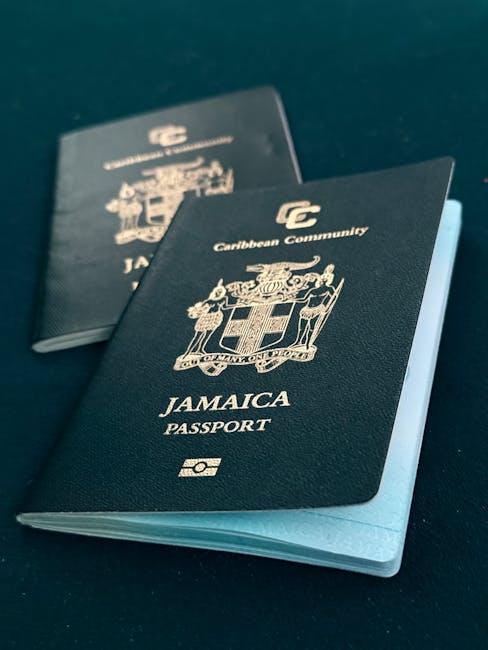
Balancing Cultural Identity and Personal Belonging
Embracing dual citizenship often means walking a delicate tightrope between two worlds—each with its own traditions, values, and expectations. This balance requires more than just legal recognition; it demands a profound personal negotiation of cultural narratives. For many, this duality enriches life with diverse perspectives, yet it can also create moments of internal conflict where one must ask: Which identity defines me in this moment? It’s not uncommon to find oneself fostering a hybrid identity, blending elements from both cultures to create a unique sense of belonging that transcends borders.
To navigate this complex landscape successfully, individuals often develop strategies that allow them to honor their roots while fully engaging in their current environment. These include:
- Intentional cultural rituals: Maintaining traditions and celebrating festivals from both heritages.
- Language integration: Switching fluently between languages, preserving mother tongue fluency alongside acquiring new dialects.
- Community connection: Building bridges with diverse groups to foster inclusive social networks.
- Personal storytelling: Crafting and sharing one’s evolving narrative as proof of their multifaceted identity.
| Challenge | Strategy | Benefit |
|---|---|---|
| Feeling of exclusion | Join cultural groups representing both identities | Builds supportive community |
| Linguistic barriers | Practice consistent bilingual communication | Enhances cognitive flexibility |
| Conflicting values | Create personal value framework | Fosters authentic self-expression |
Maximizing Economic and Travel Benefits Across Borders
Embracing dual citizenship unfolds a world of financial and travel advantages that can redefine your global lifestyle. Beyond the emotional ties to two homelands, dual nationality opens doors to enhanced business opportunities, allowing seamless investment in real estate, stocks, and local enterprises without the constraints faced by non-residents. It often comes with distinct tax incentives and exemptions, optimizing your economic footprint in both countries. Coupled with reduced fees for banking and financial services, the ability to diversify your economic engagements becomes not just a privilege but a strategic advantage.
Travel becomes more fluid and cost-efficient, too. Dual citizens can bypass visa requirements, tap into expedited border controls, and enjoy the protection of two governments when abroad. This freedom supports both leisure and professional pursuits, enabling extended stays or multiple visits without the bureaucratic hurdles typical of single citizenship. Consider the following benefits:
- Visa-free travel: Access to more countries without prior visa applications
- Business facilitation: Easier setup for enterprises and banking in both nations
- Tax planning: Opportunities to optimize liabilities and leverage treaties
- Consular support: Dual consular protection during emergencies in foreign lands
| Aspect | Benefit | Example |
|---|---|---|
| Investment | Lower restrictions | Buying property without foreigner limitations |
| Travel | Visa-free access | Entry to 150+ countries visa-free |
| Tax | Double treaty benefits | Reducing double taxation risk |
Managing Tax Obligations and Financial Responsibilities
Holding citizenship in two countries ushers in a unique set of tax obligations that require careful attention. Each nation has its own rules about global income reporting, tax treaties, and possible exemptions. Failing to understand these nuances can result in penalties, double taxation, or missed allowances. To stay ahead, it’s essential to keep detailed financial records from both countries and consult tax professionals familiar with international tax law. Strategies such as foreign tax credits and income exclusions can often mitigate double taxation but must be navigated precisely to maximize benefits.
Moreover, dual citizens must be mindful of broader financial responsibilities like estate taxes, social security contributions, and reporting foreign bank accounts to tax authorities. Here’s a quick overview of key considerations:
- Tax Residency Status: Determines which country’s tax rules primarily apply.
- Filing Deadlines: Can differ; missing one may trigger fines in either country.
- Currency Exchange Reporting: Income must often be reported in the local currency, requiring careful conversion and documentation.
- Investment and Property Taxes: Ownership assets abroad might incur taxes in both jurisdictions.
| Country | Common Reporting Requirement | Typical Deadline |
|---|---|---|
| Country A | Global Income Declaration | April 15 |
| Country B | Foreign Bank Account Reporting | June 30 |
Practical Tips for Maintaining Dual Citizenship Compliance
Staying abreast of the legal obligations in each country where you hold citizenship is crucial to avoid unexpected penalties or complications. Make sure to regularly update your documentation, such as passports and visas, and always check for any changes in the laws that affect dual nationals. Establishing a trusted relationship with consulates and embassies can provide valuable access to guidance and services tailored for dual citizens.
Organizing your records meticulously will save time and stress, especially when faced with bureaucratic requests. Maintain a clearly labeled folder—digital or physical—with
- passports
- residency permits
- tax documents
- legal certificates
This ensures uninterrupted compliance and reduces the risk of misplacing critical papers amidst life’s complexities.
| Tip | Benefit |
|---|---|
| Timely Passport Renewal | Avoid travel disruptions |
| Annual Tax Filings | Prevent costly fines |
| Consular Registration | Access emergency support |
| Legal Updates Monitoring | Stay informed of rights and duties |
Final Thoughts
In the intricate dance of dual citizenship, individuals find themselves embracing complexity—the weaving together of identity, culture, and opportunity across borders. It is not merely a legal status but a living narrative of belonging that challenges and enriches the very notion of home. As the world grows ever more interconnected, navigating this dual existence becomes both a personal journey and a broader reflection on globalization’s transformative power. Whether viewed as a bridge to new horizons or a tapestry of layered identities, dual citizenship invites us all to reconsider what it means to belong—and what doors may open when we do.