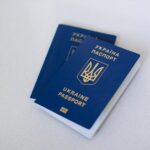
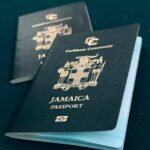
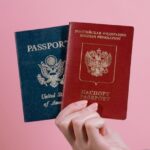
In a world increasingly shaped by migration, globalization, and cultural exchange, the concept of identity has grown more layered and nuanced. Among the multifaceted expressions of belonging, dual nationality stands out as a unique and often complex phenomenon. It is a state of holding two passports, but more profoundly, it embodies the intertwining of histories, loyalties, and experiences that traverse borders. This dual existence can open doors to broader opportunities and deeper connections, yet it also poses intricate questions about legal rights, cultural affiliation, and personal identity. Exploring the world of double nationality invites us to navigate these overlapping realities, shedding light on the challenges and possibilities that come with living between two nations.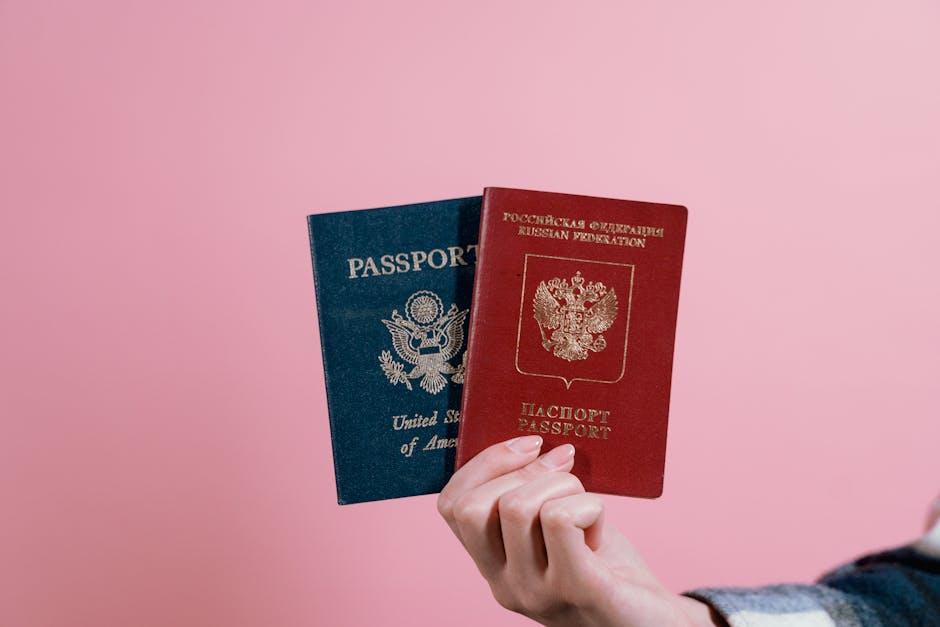
The Historical Roots and Modern Rise of Dual Citizenship
The concept of holding allegiance to two nations is not as modern as it might seem. Historically, dual citizenship emerged from centuries-old practices rooted in alliances through marriage, trade, and conquest. In medieval Europe, for example, nobles often held lands and titles in multiple kingdoms, effectively binding them to dual or even multiple sovereignties. These early forms of dual identity were less about legal status and more about social and political connections, demonstrating the fluidity of national loyalties in a pre-modern world. Over time, the evolution of nation-states introduced formal citizenship laws, often discouraging dual claims due to concerns over loyalty and sovereignty.
In today’s globalized landscape, the rise of dual citizenship reflects the dynamic intersection of mobility, identity, and legal frameworks. More countries now recognize and permit dual nationality, understanding its value in fostering cross-border opportunities for individuals and families. This modern acceptance is driven by factors such as:
- Economic globalization encouraging skilled migration and international entrepreneurship
- Political shifts allowing more inclusive definitions of citizenship
- Cultural diversity and diasporas maintaining connections to ancestral homelands
The transition from restrictive single allegiance policies to embracing a hybrid identity illustrates how citizenship is increasingly viewed not just as a legal bond but as a multidimensional status, reflecting a person’s complex heritage and global ties.
Navigating Legal Challenges and Rights Across Borders
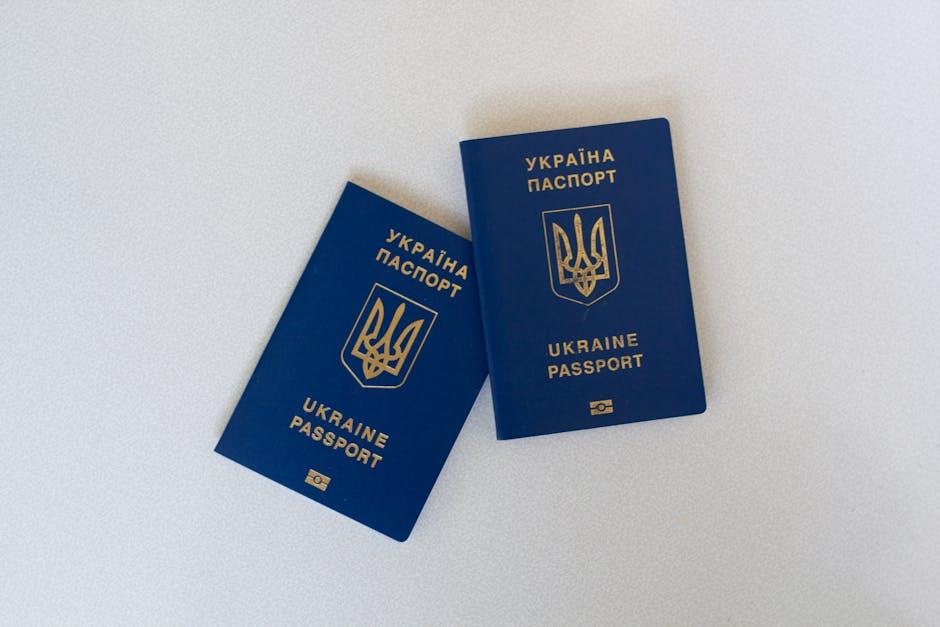
Holding citizenship in two countries often places individuals at the intersection of varying legal systems, each with its own set of rights and responsibilities. It’s not merely a matter of enjoying dual privileges—navigating immigration laws, tax obligations, and military service requirements can become a complex puzzle. For instance, one might face conflicting laws about residency or inheritance, which require careful legal counsel to manage effectively. Understanding these cross-border legal dynamics is crucial in avoiding unintended consequences such as double taxation or legal disputes.
To adeptly handle these challenges, double nationals should consider key factors such as:
- Tax Compliance: Determining obligations in both countries to prevent penalties.
- Voting Rights: Exercising civic duties while respecting electoral rules in each nation.
- Consular Protection: Knowing which government can provide assistance abroad.
- Legal Conflicts: Resolving situations where laws differ regarding marriage, property, or criminal issues.
| Legal Aspect | Country A | Country B |
|---|---|---|
| Military Service | Mandatory for males aged 18-25 | Volunteer-based |
| Inheritance Laws | Equal shares among children | Primogeniture favored |
| Tax Residency | Based on domicile | Based on 183-day rule |
Cultural Identity and Personal Belonging in a Dual National World
Living between two worlds, those with dual nationality often navigate a rich tapestry of traditions, languages, and social norms that shape their very essence. This interwoven cultural fabric does not merely merge contrasting elements; it creates a unique narrative where belonging becomes fluid rather than fixed. Celebrations, food, music, and familial bonds stretch across borders, offering a kaleidoscope of experiences that continually redefine what “home” means. Yet, this dynamic identity can also lead to moments of ambiguity, where one might feel stretched thin between contrasting expectations and the desire for acceptance.
Embracing a dual national identity opens doors to profound self-awareness and empathy, fostering connections beyond geographical limits. It’s a world where individuals balance heritage and innovation, tradition and modernity, often developing a hybrid sense of self that defies simple categorization. The challenges and joys of this path weave together into a story of resilience and pride—a story that speaks to universal themes of belonging in an increasingly interconnected globe.
- Fluency in multiple languages enriches communication and cultural appreciation
- Shared holidays reflect blended customs and values
- Dual identity encourages adaptability and broad-mindedness
- Strong familial ties rooted in diverse cultural backgrounds
| Aspect | Dual Identity Experience | Single Nationality Experience |
|---|---|---|
| Sense of Belonging | Multilayered, flexible | Often static, singular |
| Cultural Exposure | Broad and diverse | Relatively narrow |
| Language Skills | Multilingual fluency common | Typically monolingual |
| Identity Challenges | Negotiating dual expectations | Clear cultural norms |
Economic Opportunities and Responsibilities with Double Nationality
Holding citizenship in two countries unlocks a unique blend of economic possibilities, allowing individuals to tap into diverse markets and work environments simultaneously. This dual status can simplify access to employment, entrepreneurship, and investment prospects across borders, fostering greater financial freedom and mobility. For instance, a dual national might benefit from lower tax thresholds in one country while leveraging higher income opportunities in another, creating a strategic advantage in their economic planning.
However, these opportunities come with inherent responsibilities. Navigating dual tax systems, fulfilling social security contributions, and adhering to the fiscal regulations of both nations demand meticulous attention. Below is a simplified overview highlighting key economic aspects for double nationals:
| Aspect | Opportunity | Responsibility |
|---|---|---|
| Employment | Access to job markets in two countries | Compliance with work permit and labor laws |
| Taxation | Potential tax benefits or exemptions | Filing taxes in both jurisdictions |
| Investment | Ability to invest with fewer restrictions | Understanding international investment laws |
- Strategic financial planning is essential to maximize benefits and minimize liabilities.
- Legal compliance safeguards against penalties and secures legitimate economic advantages.
- Regular consultation with cross-border financial advisors is highly recommended.
Practical Tips for Managing Life as a Dual Citizen
Balancing two national identities means mastering the art of organization and cultural fluency. One effective strategy is to maintain meticulous records of important documents like passports, visas, and residency permits. Creating a digital backup, accessible but secure, can save you from bureaucratic headaches during travel or legal formalities. It’s also crucial to stay informed about the laws and rights in both countries—understanding tax obligations or voting privileges helps avoid unwelcome surprises and keeps you compliant without the stress.
Practical everyday habits can make a world of difference:
- Use bilingual calendars or apps to track public holidays, elections, and important deadlines in both countries.
- Learn basic legal terminology in both languages to easily navigate official documents.
- Network within dual citizen or expat communities for shared advice and cultural insights.
- Respect and celebrate both cultures, integrating traditions to create your own unique identity.
| Challenge | Tip |
|---|---|
| Managing Taxes | Consult specialized accountants familiar with both countries’ systems |
| Language Barriers | Engage in language exchange groups online or locally |
| Legal Conflicts | Stay updated on dual citizenship policies and notify authorities promptly |
| Cultural Identity | Blend traditions and stay open-minded about evolving identities |
Final Thoughts
In navigating the intricate tapestry of dual identity, double nationality reveals itself not merely as a legal status, but as a profound journey—one that blends histories, cultures, and allegiances into a singular, evolving self. It is a world of nuanced challenges and unique opportunities, where borders blur and belonging becomes a rich, multifaceted experience. As the global landscape continues to shift and mingle, the story of double nationality offers a captivating lens through which we can better understand the complexities of identity in an interconnected world—reminding us that in embracing multiplicity, we may find new paths to unity.