
In an increasingly interconnected world, the concept of belonging to more than one nation is becoming a reality for many. Dual national citizenship, once a rare and complex legal status, now represents a bridge connecting cultures, opportunities, and identities. But what does it truly mean to hold passports from two countries? Beyond the allure of expanded travel and work possibilities, dual citizenship comes with its own set of benefits, responsibilities, and important nuances to consider. This article unpacks the essentials of dual national citizenship, illuminating what it entails and offering key insights for those navigating the global tapestry of modern citizenship.
Understanding Dual National Citizenship and Its Legal Foundations
Dual national citizenship refers to the legal status of an individual recognized as a citizen by two countries simultaneously. This means the person holds two passports and carries the rights and responsibilities afforded by both nations. The legal foundations of dual citizenship vary significantly across jurisdictions-some countries fully embrace it, while others limit or prohibit dual status to prevent conflicts of allegiance. For instance, the United States generally allows dual citizenship but expects loyalty when voting or serving in public office, whereas countries like Japan typically require individuals to renounce one citizenship upon reaching adulthood. Understanding these nuances is essential since dual citizenship can affect rights such as employment, taxation, and consular protection, depending on how each country’s laws interact.
Key legal considerations include:
- Nationality Laws: Citizenship acquisition through birthright, naturalization, or descent often determines if dual nationality is possible.
- Tax Obligations: Dual citizens might face tax liabilities in both countries, depending on tax treaties and domestic laws.
- Military Service: Some nations may require compulsory service from dual nationals, which can create conflicts.
- Political Rights and Restrictions: Voting rights, running for office, or holding government positions can be impacted.
Understanding these factors before pursuing or maintaining dual citizenship helps avoid legal pitfalls and enhances the benefits of belonging to two nations.
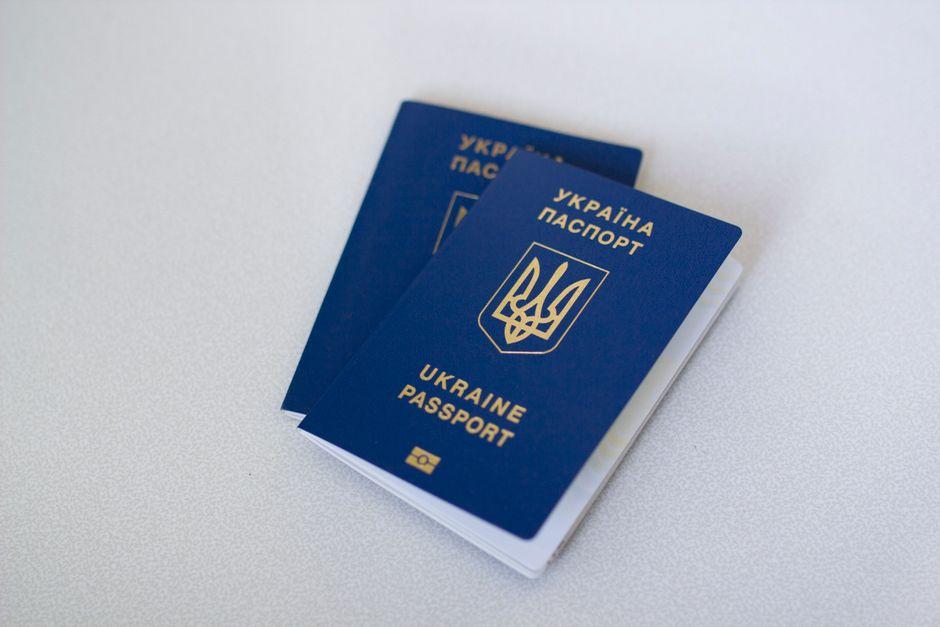
Exploring the Advantages and Challenges of Holding Two Passports
Holding two passports, often as a result of dual national citizenship, comes with a unique mix of advantages and challenges that can significantly impact your personal and professional life. One of the primary benefits is enhanced global mobility-dual citizens enjoy easier travel with fewer visa restrictions, granting them access to a wider array of countries without the hassle of complicated visa applications. Beyond travel, dual citizenship opens up expanded opportunities for work, education, and residency, allowing individuals to take advantage of social benefits, healthcare systems, and property ownership rights in both countries. Additionally, holding two passports can offer financial advantages, such as access to diverse banking systems and investment options, along with potential tax planning flexibility under certain jurisdictions.
However, managing two passports also involves navigating complex legal and administrative responsibilities. Dual citizens may encounter tax obligations and reporting requirements in both countries, which can be confusing and sometimes costly without proper guidance. National security laws, including mandatory military service or restrictions on certain political activities, may also vary significantly between nations, creating unexpected burdens. Another challenge is the risk of diplomatic complications-while one country may offer strong protections, the other might not recognize dual citizenship or could impose limitations during conflicts or legal disputes. To mitigate these issues, it’s essential to research each country’s specific regulations and seek expert advice, especially when it comes to compliance with immigration, tax, and inheritance laws.
| Aspect | Advantages | Challenges |
|---|---|---|
| Travel | Visa-free or simplified entry to more countries | Possible restrictions on dual passport use at borders |
| Legal Obligations | Access to rights and protections in two countries | Tax filing, military service, and compliance complexity |
| Economic Opportunities | Broader access to jobs and investments | Potential double taxation without treaties |
Common Misunderstandings About Dual Citizenship Clarified
Dual citizenship is often misunderstood in ways that can lead to confusion about legal rights and responsibilities. A common misconception is that holding two passports means you are exempt from taxes or mandatory military service in either country. In reality, dual nationals must comply with the laws of both countries, including tax obligations and, in some cases, conscription. Additionally, many believe dual citizenship automatically grants unlimited travel freedom; however, visa requirements and international agreements vary widely depending on the countries involved. It’s important to differentiate between dual citizenship and dual nationality-while often used interchangeably, the former typically refers to legal status, whereas the latter can denote cultural or ethnic identity.
Another frequent misunderstanding concerns political rights and security implications. Some fear that dual citizens cannot hold public office or run for political positions, but eligibility depends on the specific rules of each country, not citizenship status alone. There’s also a misconception that dual citizenship complicates legal protections if abroad; however, consular assistance can be limited if you are in the country of your other nationality. To help clarify benefits and responsibilities, consider this brief comparison:
| Aspect | Common Myths | Reality |
|---|---|---|
| Taxation | Dual citizens don’t pay taxes in both countries | Taxes must be paid per each country’s laws; tax treaties may apply to avoid double taxation |
| Voting Rights | No voting rights in either country | Voting rights depend on local laws; dual citizens often retain full political participation |
| Military Service | Exempt from military duties | May be required to serve in one or both countries, depending on legislation |
How to Decide If Dual Citizenship Is Right for Your Global Lifestyle
Deciding if dual citizenship aligns with your global lifestyle starts with understanding your personal and professional priorities. Dual citizenship allows you to legally belong to two countries simultaneously, which can open doors to expanded travel, work, and residency options. However, it’s important to assess how this status might impact your tax obligations, legal responsibilities, and cultural ties. Ask yourself: Do you frequently travel between two countries? Is long-term residency or career flexibility important? Are you seeking ease of access to healthcare, education, or social services in both locations? Evaluating these factors helps clarify whether pursuing dual citizenship will truly enhance your lifestyle or introduce unnecessary complexity.
Another key aspect is comparing the practical benefits against potential complications. Many global citizens find dual nationality advantageous for:
- Visa-free travel between member regions
- Work rights and business opportunities in both countries
- Full political participation, including voting and property ownership
- Simplified inheritance laws and access to social welfare programs
Conversely, some common challenges include:
- Dual taxation and complex filing requirements
- Military service obligations or legal conflicts
- Potential bureaucratic hurdles in passport renewals or consular support
Here’s a concise comparison to consider:
| Consideration | Benefit | Challenge |
|---|---|---|
| Travel | Expanded visa-free access | Some countries restrict dual nationals |
| Work & Residency | Ability to live and work freely | Complex tax filing in both countries |
| Legal/Political | Right to vote and own property | Potential military duty or legal conflicts |
Ultimately, your decision should balance practical needs and long-term goals. Consulting with legal or tax advisors knowledgeable in international law can also provide tailored insights that suit your unique global lifestyle.
Navigating the Complexities of Dual Citizenship Laws Across Countries
Understanding the legal landscape of dual citizenship requires navigating a web of diverse national laws, as each country determines its stance on holding more than one nationality differently. Some countries, like Canada and the United Kingdom, welcome dual citizenship without restrictions, enabling individuals to enjoy rights from both nations simultaneously. Others, such as Japan and Singapore, restrict or outright prohibit dual citizenship, often requiring citizens to renounce one nationality upon reaching a certain age. This variation leads to complex scenarios, especially for global citizens who may inherit multiple nationalities at birth or through naturalization. Key considerations include the potential impact on tax obligations, military service requirements, and passport validity. For instance, some countries may still enforce compulsory military service regardless of alternative citizenships held, which can catch many dual nationals by surprise.
When managing dual nationality, it’s critical to compare legal frameworks side by side to assess benefits and challenges. Below is a brief overview illustrating common dual citizenship policies of select countries:
| Country | Dual Citizenship Allowed | Key Restrictions |
|---|---|---|
| Canada | Yes | None |
| United States | Yes | Must disclose foreign citizenship when required |
| Japan | No | Must choose one nationality by age 22 |
| Singapore | No | Renunciation required to enter military service or vote |
- Recommendation: Always consult the immigration or nationality laws of each relevant country before assuming dual citizenship status, as legal requirements can change.
- Practical Tip: Keep records of both citizenship documents and inform tax and legal advisors to manage obligations responsibly.
Concluding Remarks
In a world that grows ever more interconnected, dual national citizenship stands as a testament to the fluidity of identity and opportunity. It invites global citizens to navigate multiple cultures, legal systems, and communities with a unique sense of belonging and advantage. Yet, this privilege comes intertwined with complexities that deserve careful thought-balancing rights, responsibilities, and personal ties across borders. Whether motivated by heritage, career, or the pursuit of new horizons, understanding the nuances of dual nationality equips individuals to embrace their multifaceted identities with confidence and clarity. As you contemplate this journey, remember that dual citizenship is more than a legal status; it is a bridge connecting stories, freedoms, and futures beyond a single horizon.




