
In an increasingly interconnected world, the idea of belonging to a single nation is becoming more fluid and complex. Dual national passports stand as tangible symbols of this evolving identity, allowing individuals to carry more than one nationality in their pockets—and in their hearts. These documents are not merely travel permits; they are passports to navigating multiple cultures, legal systems, and senses of self. This article delves into the nuances of holding dual national passports, exploring the opportunities and challenges faced by those who cross borders both physically and emotionally, redefining what it means to belong in a globalized era.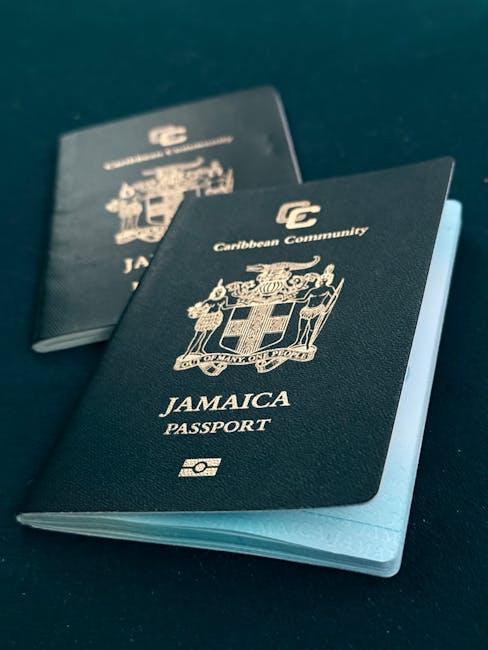
Understanding the Legal Landscape of Dual National Passports
Holding passports from two different countries presents a unique intersection of rights and responsibilities. Legally, individuals with dual nationality must navigate the complex frameworks set by each sovereign nation, where citizenship laws can differ dramatically. Some countries require dual nationals to enter and exit using their local passport, while others may have restrictions on military service or taxation that apply uniquely to dual citizens. Understanding these nuances is crucial to avoid unintended legal consequences, especially when traveling, working, or residing abroad.
Key considerations often include:
- Nationality Conflicts: Situations where one country may not recognize the other’s citizenship, impacting diplomatic protection.
- Visa and Entry Policies: How dual passports affect visa requirements, mandatory declarations, and border inspections.
- Legal Obligations: Differences in taxation, mandatory military conscription, or residency obligations tied to each passport.
| Country | Dual Passport Policy | Notable Legal Restriction |
|---|---|---|
| Country A | Permits dual citizenship | Must use local passport when entering |
| Country B | Limited recognition | Potential loss of nationality upon acquiring another |
| Country C | Prohibits dual nationality | Automatic revocation if second passport acquired |
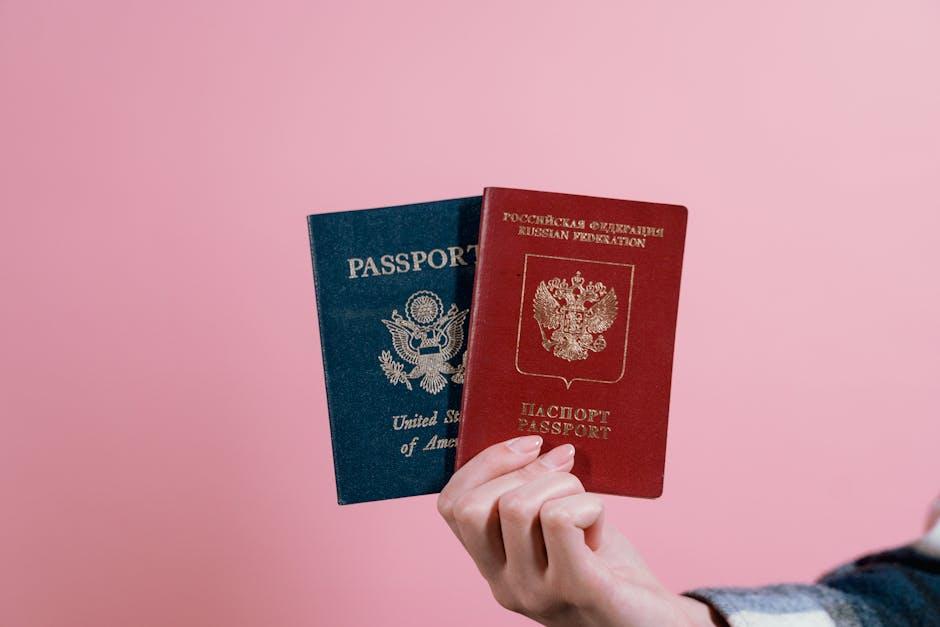
Balancing Cultural Identity and Practical Benefits
Maintaining a dual national passport often feels like walking a tightrope between two worlds. On one side, there’s a deep-rooted connection to heritage—the language, customs, and traditions that shape personal identity. On the other side, the tangible advantages such passports provide open doors to new opportunities, from career advancements to seamless travel. Embracing both parts simultaneously requires a conscious effort to honor where you come from while adapting to the practical realities of where you live or work. It’s a dynamic process, often evolving as individuals navigate the complexities of belonging without boundaries.
Those holding dual passports uniquely benefit from a versatile lifestyle, but this flexibility comes with the challenge of balancing obligations and loyalties. Practical benefits manifest in various ways, such as access to different healthcare systems, education options, and tax considerations. However, cultural identity remains the compass guiding personal and professional decisions. Below are some key aspects where dual nationals find this balance:
- Cultural immersion: Maintaining language fluency and traditions at home or in community groups
- Legal and civic responsibilities: Navigating voting rights, taxation, and military service requirements
- Travel and residency flexibility: Choosing when and how to utilize each passport for optimal mobility
| Aspect | Identity Element | Practical Benefit |
|---|---|---|
| Language | Preserves heritage | Enhances communication worldwide |
| Legal Rights | Connects to homeland | Offers dual protections |
| Travel | Facilitates cultural visits | Expands global access |
Challenges and Opportunities in International Travel
Managing dual national passports opens a unique dimension of complexity in international travel, where one’s identity must adapt seamlessly to varying regulations and cultural expectations. Travelers often face practical challenges such as visa inconsistencies, heightened scrutiny at border controls, and the delicate task of declaring citizenship without triggering unintended legal or diplomatic consequences. Navigating these hurdles requires a deep understanding of each country’s immigration policies, as well as an agile mindset capable of switching between different legal frameworks and personal identities.
Yet, there are significant opportunities embedded within this duality. Holders of two passports benefit from greater mobility, enhanced access to diverse consular support, and the ability to optimize travel routes and entry rights. This flexibility can turn a complex bureaucratic maze into an advantage, granting travelers the freedom to choose the best entry points or circumvent political barriers. Consider the following advantages that underscore the potential of dual nationality in travel:
- Simplified visa applications for certain countries depending on the passport used
- Reduced waiting times at immigration through trusted traveler programs available only to certain nationals
- Expanded access to international events or markets exclusive to specific nationalities
- Protection and assistance from two distinct consulates abroad
| Passport Used | Typical Benefit | Potential Challenge |
|---|---|---|
| Country A | Visa-free travel to 150 countries | Longer customs checks due to security protocols |
| Country B | Access to special bilateral trade agreements | Limited diplomatic support outside home region |
Strategies for Managing Dual Citizenship Responsibilities
Balancing responsibilities across two nations requires a proactive approach and a keen sense of organization. One effective method is to maintain clear and updated records for each country’s requirements, such as tax filings, visa renewals, or military service obligations. Setting digital reminders or using dedicated apps designed for international travelers can streamline managing deadlines and necessary documents. Additionally, consulting with legal or immigration experts familiar with both countries’ laws can provide clarity and peace of mind, ensuring no important duty is overlooked.
Cultivating cultural awareness and respectful communication also plays a crucial role in harmonizing dual citizenship duties. Embracing the customs and expectations of both nations fosters cooperation and understanding when fulfilling civic duties. Surrounding oneself with support networks—whether community groups, expatriate forums, or social clubs—can provide insights and emotional backing. Consider the following checklist to stay on top of your dual citizenship responsibilities:
- Keep passports and identification up-to-date and safely stored
- Track tax and financial reporting deadlines in both countries
- Understand voting rights and how to participate from abroad
- Stay informed about travel restrictions and health requirements
- Engage with cultural events and communities to reinforce identity
| Responsibility | Frequency | Tips |
|---|---|---|
| Tax Filing | Annual | Consult dual-tax treaties |
| Passport Renewal | Every 5-10 years | Apply well before expiration |
| Civic Participation | Election cycles | Register to vote early |
| Military Service | Based on laws | Seek exemptions if applicable |
Expert Tips for Safeguarding Your Dual National Identity
Maintaining the integrity of your dual national identity requires a proactive approach. Start by organizing your documents meticulously. Keep passports, visas, and supporting identification in secure, separate compartments to avoid confusion during travels or legal processes. Regularly update your records to reflect changes like name alterations or residency status to prevent discrepancies. Additionally, ensure you remain aware of each country’s specific travel regulations and entry requirements to avoid unexpected detentions or fines.
Protecting your identity also involves understanding the nuances of how both nations view your dual status. Establish a clear communication channel with consulates or embassies, as this relationship can be crucial in emergencies or legal matters. Below is a simple guide to help you keep track of essential contacts and reminders:
| Action | Detail | Frequency |
|---|---|---|
| Passport Check | Verify expiration and visa status | Every 6 months |
| Consulate Registration | Update personal info and emergency contacts | Annually |
| Legal Advice | Consult on dual citizenship rights and obligations | As needed |
- Use encrypted digital backups of all important documents to ensure you never lose access.
- Stay updated on changes in both countries’ citizenship laws and international travel alerts.
- Establish a trusted network among family or friends who understand your dual status for support.
Final Thoughts
In a world ever more connected yet firmly rooted in individual nations, dual national passports symbolize the intricate dance between identity and belonging. They are more than mere travel documents; they are passports to a multifaceted self, bridging cultures, histories, and legal landscapes. Navigating this duality requires understanding not just the privileges but also the complexities that come with holding multiple national ties. As borders continue to blur in an age of globalization, embracing the nuances of dual nationality invites us to rethink what it means to belong — not just to one place, but to many, simultaneously.




