
In an increasingly interconnected world, the concept of nationality has taken on new dimensions-both practical and philosophical. As more individuals acquire dual national passports, they gain unprecedented freedom to traverse borders, access diverse opportunities, and embrace multiple cultures. Yet, this duality of identity also raises complex questions about allegiance, legal obligations, and the very meaning of citizenship. Are dual national passports a gateway to global mobility and enriched experiences, or do they blur the lines of national loyalty in a way that challenges traditional notions of belonging? This article delves into the multifaceted realities of holding two passports, exploring the benefits, dilemmas, and evolving implications of straddling more than one nation.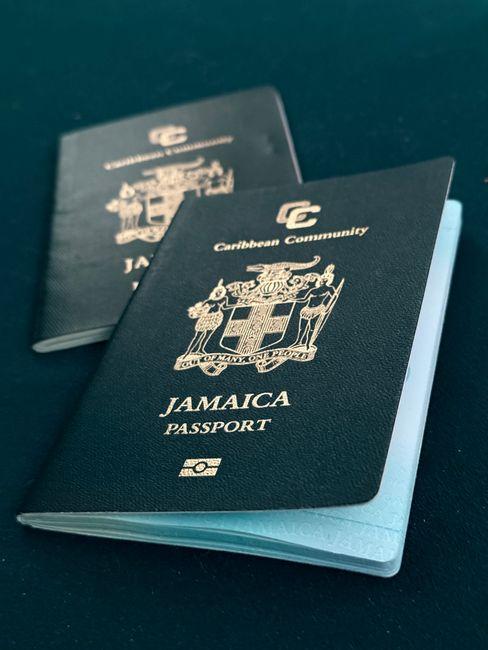
The Double-Edged Sword of Dual Passports in a Fragmented World
Dual passports undeniably enhance individual freedom and economic opportunity, yet they embody a paradox in today’s polarized world where national identities are increasingly weaponized. Holding two citizenships is often romanticized as the ultimate passport to global mobility. However, this convenience can inadvertently dilute civic allegiance, complicate diplomatic relations, and create legal tensions-especially when geopolitical interests diverge sharply. The assumption that dual nationality unilaterally equates to empowerment overlooks the subtle compromises involved, such as conflicting taxation regimes, military service obligations, or political expectations from competing governments. In essence, dual passports are not just travel documents but flags that demand a balancing act between personal freedom and national accountability.
To navigate this double-edged sword, policymakers and holders alike must engage in more discerning calculations beyond convenience. Countries could explore tailored frameworks that differentiate rights and responsibilities attached to each citizenship, perhaps through dynamic frameworks that reflect current geopolitical realities. For the individual, cultivating informed dual loyalty-anchored more in pragmatic engagement than symbolic identity-is critical to mitigating conflicts. Trade-offs to consider include:
- Access to social services vs. potential citizenship revocation under political strain
- Ease of global travel vs. susceptibility to dual taxation or legal jurisdiction disputes
- Enhanced global networks vs. ethical dilemmas when countries’ interests clash
Ultimately, the path forward demands breaking free from the binary lens of “either/or” national loyalty, embracing a layered, context-sensitive approach that appreciates the messy realities of an interconnected yet fragmented world.

Beyond Borders The Hidden Complexities of Holding Multiple Nationalities
Possessing multiple nationalities often evokes images of seamless global access, yet it is far from a mere passport game; it introduces a web of hidden complexities that merit more scrutiny. Dual or multiple citizenship can inadvertently place holders at the crossroads of competing legal frameworks, conflicting tax obligations, and divergent societal expectations. For instance, the assumption that multiple passports automatically equate to unmitigated freedom ignores the subtle, often overlooked reality: holders may find themselves ensnared in bureaucratic limbo when countries with stringent allegiance laws demand exclusive loyalty or compulsory military service. This is no trivial inconvenience; it can disrupt careers, strain family ties, and complicate international business operations. The stakes are particularly high where geopolitical tensions exist between the countries involved, transforming an individual’s multiple identities into a liability rather than an asset.
To navigate this maze effectively requires more than enthusiasm for global mobility-it demands nuanced risk assessment and strategic planning. Rather than perpetuate the one-size-fits-all narrative that more passports equal better opportunities, potential multi-national citizens should weigh benefits against the trade-offs such as:
- Legal entanglements: Dual allegiance may trigger conflicting legal duties, including taxation and civic responsibilities.
- Identity dilemmas: Navigating cultural and political expectations can lead to internal conflict and external suspicion.
- Security concerns: In situations of international dispute, multi-national individuals risk being viewed with distrust or accused of divided loyalties.
Pragmatically, a crucial recommendation is to maintain a dynamic awareness of each country’s legal stance on dual citizenship, including tax treaties, military service obligations, and passport validity reciprocity. Consulting specialized legal advice is indispensable, particularly when geopolitical climates shift unpredictably. Ultimately, embracing multiple nationalities is not simply about expanding horizons; it demands deliberate choices that honor the complex interplay between individual freedom and national sovereignty.
Reimagining Global Mobility Smarter Alternatives to Dual Citizenship
While dual citizenship often symbolizes unrestricted global mobility, it is not the only-and sometimes not the best-path to achieving international freedom of movement. As countries tighten regulations to guard national interests and combat security risks, the allure of holding multiple passports may diminish in practical value. Instead, smarter alternatives emerge that balance the desire to traverse borders with the complexities of allegiance and legal obligations. For instance, long-term residency permits, strategic visa arrangements, and bilateral agreements focused on visa-free travel mitigate the need for full citizenship, preserving simpler tax and legal statuses. These alternatives tend to be more adaptable, allowing individuals to maintain select global privileges without the sticky entanglements of dual citizenship’s legal and emotional dualities.
However, these alternatives are not without trade-offs. While streamlined mobility tools avoid the cumbersome citizenship formalities, they often lack the depth of rights such as voting or governmental protections afforded to citizens. The decision to pursue these options must consider factors beyond ease of travel-highlighting the importance of discerning personal priorities over defaulting to the often glorified status of dual nationality. To navigate this landscape effectively, one might evaluate options based on:
- Duration and stability: How long the mobility right lasts and whether it can be extended or converted into citizenship
- Legal complexity: Potential tax implications, mandatory military service, and other civic duties affected by choice
- Rights spectrum: Access to healthcare, political participation, and social services beyond mere border crossing
| Criteria | Dual Citizenship | Residency Permits/Visas |
|---|---|---|
| Rights & Protections | Full citizenship rights, including political | Limited rights, primarily residency and travel |
| Legal Obligations | Potential double taxation, military service | Focused tax residency, fewer obligations |
| Flexibility | Often rigid once granted | More adaptable and tailored to needs |
In essence, the future of global mobility may lie less in accumulating passports and more in developing a nuanced portfolio of legal statuses that reflect a purposeful, selective engagement with the world. This approach allows for maintaining sovereignty of identity while maximizing movement freedoms, a truly modern response to the challenges embedded in dual citizenship debates.
Loyalty Dilemmas When National Identities Collide in One Passport
Loyalty dilemmas embedded within dual national passports are rarely as binary as patriotism versus opportunism. The collision of national identities within a single travel document exposes a complex negotiation between legal allegiance and emotional belonging, often forcing individuals into strategic postures rather than true conflicts of loyalty. While critics argue that holding multiple passports dilutes national commitment, the reality suggests a more nuanced interplay: dual citizenship can both enrich and complicate identity, revealing the fluidity rather than fragility of loyalty. This duality means individuals frequently navigate competing civic expectations, such as voting in two countries, military service obligations, or tax responsibilities, which can strain traditional notions of undivided allegiance. However, rather than viewing these tensions as insurmountable conflicts, they should be reframed as dynamic negotiations that require clearer legal frameworks and more empathetic policy designs sensitive to transnational realities.
Balancing the trade-offs between global mobility and national loyalty necessitates distinguishing between legal obligations and emotional fidelity. Many dual nationals compartmentalize roles, embracing one identity contextually without relinquishing the other, thereby challenging the assumption that passports alone define allegiance. Instead, policymakers and citizens alike must recognize that:
- Dual citizenship complicates enforcement of exclusive loyalty expectations, but also enriches diplomatic leverage by expanding citizens’ options and perspectives.
- Countries benefit from embracing multilayered identities to foster diasporic engagement and global networks, rather than rigid loyalty tests that may alienate citizens.
- Concrete, case-specific policies on military duty, taxation, and political participation must supersede blanket judgments, respecting both personal identity and sovereign interests.
| Aspect | Challenge | Recommended Approach |
|---|---|---|
| Military Service | Conflicting conscription requirements | Bilateral agreements to clarify obligations and deferments |
| Taxation | Double taxation risks causing economic disenfranchisement | Enhanced tax treaties and transparent reporting mechanisms |
| Political Participation | Restrictions on voting rights or political candidacy | Contextual allowance balancing domestic policy with diaspora inclusion |
Navigating Dual Nationality The Strategic Trade-Offs and Practical Consequences
Dual nationality often appears as a straightforward passport upgrade promising seamless global mobility and access to broader socio-economic opportunities. However, this advantage is not without substantial trade-offs that merit critical examination. Beyond the convenience of borderless travel, multiple citizenships impose intricate legal obligations and psychological complexities. Tax liabilities, mandatory military service, and conflicting legal duties can tether dual nationals in a web of competing loyalties and bureaucratic puzzles. The seductive narrative that a second passport unilaterally simplifies life glosses over the nuanced reality where individuals might encounter double taxation, challenges in diplomatic protection, or even forced renunciation of rights in one country to uphold responsibilities in another. Adopting dual nationality demands more than a celebratory mindset-it requires proactive navigation and strategic anticipation of these legal intricacies.
Evaluating the strategic value of dual nationality calls for discerning analysis beyond superficial benefits. Consider the following core trade-offs:
- Enhanced mobility vs. legal complexity: Expanding access to diverse jurisdictions often heightens exposure to multi-layered regulatory frameworks that require constant compliance and legal vigilance.
- Expanded business and educational prospects vs. potential identity conflicts: Dual nationals may grapple with internal and external perceptions of allegiance, which can affect social integration and professional networking.
- Consular support diversity vs. fragmented diplomatic protection: In conflicts of state interests, dual citizens might find themselves in diplomatic limbo without clear advocacy.
Rather than romanticizing dual citizenship as a silver bullet for global advantage, a measured approach is critical. Prospective dual nationals should:
- Conduct thorough legal audits tailored to their personal and professional circumstances.
- Engage with specialized advisors to clarify fiscal responsibilities and mitigate risks of double taxation.
- Weigh the sociocultural impact on family and community ties against the material benefits of expanded nationality.
By reframing dual nationality from a simplistic asset to a multifaceted strategic decision, individuals can truly unlock its potential while circumventing the pitfalls often masked by optimistic narratives.
Closing Remarks
In the grand tapestry of modern identity, dual national passports weave a complex pattern-offering threads of boundless opportunity while simultaneously knotting questions of allegiance and belonging. As borders blur and cultures intertwine, these documents stand as both keys to global mobility and mirrors reflecting the multifaceted nature of citizenship. Whether they serve as bridges across nations or challenge traditional concepts of loyalty, dual passports undeniably shape the evolving story of what it means to belong in an interconnected world. The dialogue continues, inviting each of us to rethink the passports we carry-and the identities they represent.




