In an increasingly interconnected world, the concept of identity extends beyond borders and passports. Dual nationality stands at the fascinating crossroads of culture and law, where individuals embrace multiple heritages while navigating diverse legal landscapes. This complex status offers a unique lens through which to explore the blending of traditions, loyalties, and obligations. As more people find themselves holding ties to two nations, dual nationality emerges not just as a legal classification, but as a bridge linking distinct cultures and challenging the conventional understanding of citizenship itself. This article delves into the multifaceted nature of dual nationality, illuminating how it shapes personal identities and international relations alike.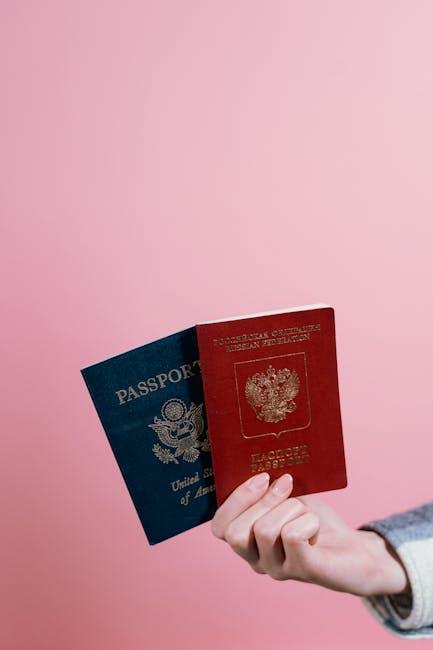
Understanding Dual Nationality in a Globalized World
In today’s interconnected world, dual nationality represents more than just a legal status; it embodies the blending of diverse cultures and identities. Individuals who hold citizenship in two countries often find themselves navigating a unique space where multiple languages, traditions, and perspectives converge. This multifaceted identity can enrich personal experiences and foster greater understanding across borders. Whether it’s celebrating holidays from two different nations or participating in varied political systems, dual nationals embody the unity possible in diversity.
From a legal standpoint, dual nationality presents a fascinating balance of rights and responsibilities. Countries may differ in their stance toward dual citizenship, which impacts issues such as taxation, voting rights, and diplomatic protection. The following table outlines common legal considerations for dual nationals in select countries:
| Country | Recognition of Dual Nationality | Key Legal Note |
|---|---|---|
| Canada | Permitted | No loss of citizenship upon acquiring another |
| Germany | Limited | Generally requires renouncing previous citizenship |
| Brazil | Permitted | Allows multiple citizenships without restriction |
| Japan | Restricted | Must choose one citizenship by age 22 |
- Legal flexibility: Some countries encourage dual nationality as a tool for global mobility.
- Complex obligations: Dual nationals might face double taxation or mandatory military service.
- Identity opportunities: Embracing dual nationality can promote cross-cultural empathy and global citizenship.

Cultural Enrichment and Identity Challenges
Embracing two cultures simultaneously often leads to a rich tapestry of experiences, where traditions, languages, and perspectives intertwine in daily life. Individuals with dual nationality navigate the joy of festivals, cuisines, and customs from both heritages, fostering a unique cultural fluency. This blending can enhance empathy and global awareness, allowing a person to serve as a living bridge between communities, enriching not only their worldview but also the social fabric of their environment.
However, this multicultural identity can also present challenges, especially when conflicting expectations arise from each nationality. The struggle to balance allegiance, legal obligations, and personal identity may lead to feelings of displacement or cultural ambivalence. Consider the following common challenges faced:
- Language barriers: Maintaining fluency in two languages while mastering cultural nuances.
- Social expectations: Meeting differing societal norms in both countries.
- Legal responsibilities: Navigating dual tax systems, mandatory services, or voting rights.
| Aspect | Enrichment | Challenges |
|---|---|---|
| Cultural Events | Celebrate diverse festivals | Conflicting schedules or traditions |
| Language | Bilingual communication skills | Potential loss of language proficiency |
| Identity | Broadened personal perspective | Sense of divided belonging |
Navigating Legal Complexities Across Borders
Possessing citizenship in two countries opens doors to rich cultural experiences and diversified opportunities, but it also ushers in a labyrinth of legal considerations. Each country has its own set of rules about taxation, military service, and voting rights, which can sometimes conflict or overlap. Staying informed and proactive is essential to ensure compliance and to leverage benefits without falling into legal gray areas.
When managing cross-border obligations, understanding the nuances of dual nationality can make all the difference. Key factors to focus on include:
- Taxation Policies: How income is reported and taxed in each jurisdiction
- Consular Protection: Knowing which embassy to turn to in an emergency
- Residency Requirements: Rules that might impact your eligibility for social services
- Legal Rights & Responsibilities: Voting, asset ownership, and inheritance regulations
| Legal Aspect | Country A | Country B |
|---|---|---|
| Tax Filing Deadline | April 15 | July 31 |
| Mandatory Military Service | Yes, 12 months | No |
| Voting Rights | Nationwide Elections Only | Both Local & National |
| Dual Passport Validity | 10 Years | 5 Years |
Benefits and Responsibilities of Holding Dual Citizenship
Embracing dual citizenship often opens a gateway to a rich tapestry of opportunities, blending cultural richness with legal advantages. Individuals can enjoy unrestricted travel rights, facilitating smoother access to a wider range of countries without the need for visas or complicated permits. This unique status also allows access to social services, educational benefits, and employment opportunities in both nations, fostering personal growth and professional advancement. Moreover, the ability to participate in electoral processes in two countries empowers individuals to influence policies that affect their transnational lives.
However, this privilege comes paired with a set of vital responsibilities. Dual citizens must remain vigilant in fulfilling legal obligations such as tax filings, jury duties, and adhering to civic duties in both countries. Awareness of potential conflicts in laws, such as military service requirements or diplomatic protections, is crucial for maintaining compliance and avoiding unintended consequences. Below is a summary of key benefits and responsibilities that every dual citizen should consider carefully:
| Benefits | Responsibilities |
|---|---|
| Access to two passports | Obey laws in both countries |
| Participation in dual political systems | Dual tax compliance |
| Eligibility for social benefits and education | Military service obligations (if applicable) |
| Broad employment possibilities | Maintain valid documentation |
Practical Tips for Managing Dual Nationality Effectively
Navigating the complexities of holding dual nationality calls for a strategic balance between embracing cultural richness and adhering to differing legal frameworks. One effective approach is to stay informed about the evolving laws in both countries—this can prevent unexpected legal conflicts and optimize your rights and obligations. Maintaining organized documentation, such as passports, visas, and residency permits, is also crucial. Consider establishing a dedicated folder—digital or physical—for all relevant documents to ensure quick access when needed. This habit not only simplifies travel and bureaucratic processes but also underscores your commitment to compliance in both jurisdictions.
Equally vital is cultivating strong personal and professional networks within each country. Engaging with community groups, professional associations, or cultural organizations can offer invaluable support and insight into local customs and regulations. Below is a quick checklist to streamline managing dual nationality:
- Update Records Regularly: Keep passports and identification documents current.
- Understand Tax Duties: Consult experts on tax implications in both countries.
- Leverage Embassy Resources: Utilize consular services for guidance and emergency aid.
- Respect Local Laws: Be aware of dual nationality policies and restrictions.
- Stay Culturally Connected: Participate actively in cultural events from both backgrounds.
In Summary
In navigating the intricate tapestry of identity and law, dual nationality stands as a unique bridge—linking cultures, histories, and legal frameworks in ways that transcend traditional boundaries. It invites individuals to embrace multifaceted selves, enriching both personal and societal narratives. As global interconnectedness continues to deepen, understanding the implications and opportunities of dual citizenship becomes ever more vital. Whether seen as a gateway or a challenge, dual nationality ultimately reflects the evolving story of who we are and how we belong in an increasingly complex world.