In an increasingly interconnected world, the concept of identity transcends geographic boundaries, weaving together histories, cultures, and legal frameworks into complex tapestries. Dual nationality stands at the crossroads of these interwoven threads, offering individuals a unique bridge between two nations. It is a phenomenon that challenges traditional notions of allegiance and belonging, inviting us to rethink what it means to belong in an era defined by migration, globalization, and shifting borders. This article explores the multifaceted nature of dual nationality, shedding light on how it shapes personal identities, influences legal landscapes, and fosters a sense of belonging in an ever-changing world.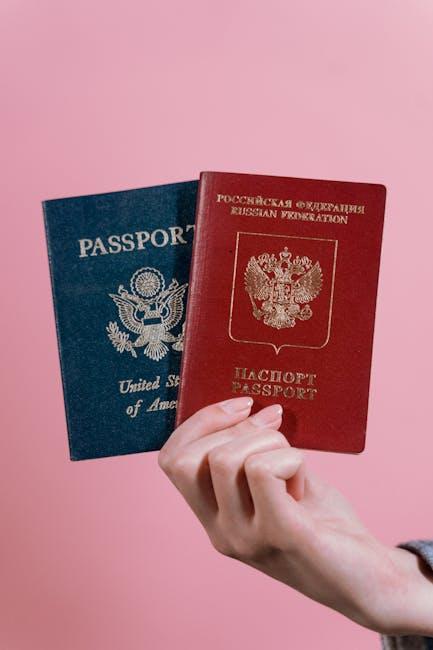
Understanding the Legal Landscape of Dual Nationality
Dual nationality is a legal status that allows individuals to uphold citizenship in two countries simultaneously, often navigating complex national laws and political frameworks. Each country has its own set of rules that govern how dual nationality is recognized or restricted. Some nations embrace this status, seeing it as a bridge between cultures and economies, while others impose strict limitations or outright forbid it. Understanding these legal nuances is essential for anyone considering dual citizenship, as the consequences can impact everything from taxation to military service obligations.
For clarity, here’s a snapshot of how different countries approach dual nationality:
- Permissive: Countries like Canada and the United Kingdom generally allow dual citizenship without many restrictions.
- Conditional: Nations such as Germany require individuals to seek permission before acquiring a second nationality or may demand the renouncement of the original one after a certain age.
- Prohibitive: Countries including China and Saudi Arabia strictly prohibit holding multiple citizenships, with penalties for those who attempt to do so.
| Country | Dual Nationality Status | Main Caveat |
|---|---|---|
| Canada | Allowed | No restrictions |
| Germany | Conditional | Permission required |
| China | Prohibited | Loss of citizenship if dual identified |
Navigating Cultural Complexities and Personal Identity
Embracing multiple cultural backgrounds can feel like walking a delicate tightrope, where balancing tradition and modern influences demands both resilience and adaptability. Individuals with dual nationality often find themselves navigating a kaleidoscope of values, languages, and societal expectations—a journey that is as enriching as it is complex. This intricate dance between distinct cultural identities can spark moments of profound self-discovery but can also bring challenges, such as the pressure to conform or feelings of cultural dissonance.
Understanding this dynamic involves recognizing not just the external influences but the internal dialogue that shapes one’s sense of self. People living within this intersection frequently experience:
- Fluid identity that evolves contextually depending on environment and community.
- Conflicting loyalties, where emotional ties pull in multiple, sometimes opposing, directions.
- Enhanced empathy due to exposure to diverse perspectives and worldviews.
| Challenge | Potential Benefit |
|---|---|
| Cultural Expectations Clash | Greater adaptability and resilience |
| Language Barriers | Multilingual communication skills |
| Identity Confusion | Rich, multifaceted self-awareness |
Economic and Social Benefits of Holding Multiple Citizenship
Challenges and Responsibilities in Dual National Allegiance
Juggling two national identities often places individuals at the crossroads of conflicting expectations and legal intricacies. Those with dual nationality may face the pressure of divided loyalties, especially during political tensions or international disputes, where allegiance to one country might be questioned by the other. Additionally, intricate tax regulations, voting rights, or even military obligations can become sources of stress and confusion. Navigating these responsibilities demands a nuanced understanding of both countries’ laws and cultural norms, calling for a delicate balance between personal identity and civic duty.
On a practical level, dual nationals confront logistical challenges such as:
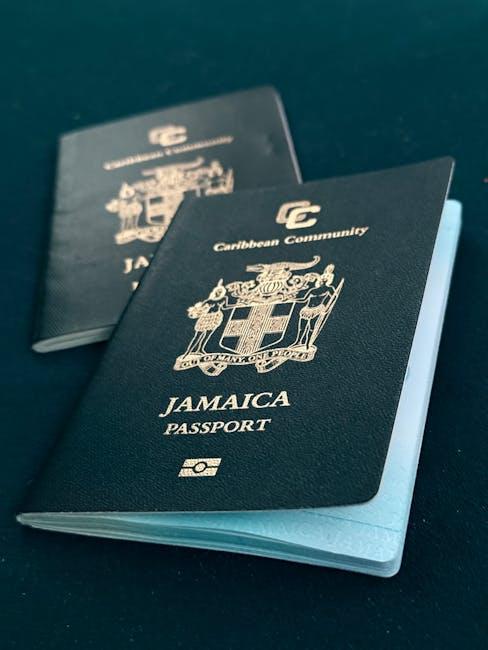
- Managing different passports and travel restrictions
- Filing taxes in multiple jurisdictions
- Understanding and fulfilling dual legal obligations
- Accessing social services and welfare programs
| Common Challenges | Impact |
|---|---|
| Conflicting Legal Duties | Risk of penalties or denial of rights |
| Tax Declaration Complexity | Financial strain and administrative burden |
| Emotional Conflict of Identity | Feeling of belonging nowhere or everywhere |
| Restricted Voting Rights | Limited political voice in one or both countries |
Practical Steps for Managing Dual Nationality Successfully
Successfully navigating life with dual nationality demands a proactive approach rooted in awareness and organization. Start by keeping essential documents—such as passports, visas, and residency papers—updated and secure. Track expiration dates meticulously to avoid last-minute surprises. Establishing a clear communication channel with consulates and embassies ensures timely access to support and resources whenever needed. Familiarize yourself with the legal obligations of both countries, including tax regulations, voting rights, and mandatory service requirements, which vary widely and may impact your duties and benefits.
Equipped with knowledge and preparation, you can optimize the unique advantages of dual nationality. Consider the following practical tips:
- Maintain financial transparency: Understand reporting requirements to prevent issues with cross-border transactions.
- Leverage cultural adaptability: Use your dual perspectives to build bridges in professional and social contexts.
- Stay informed on policy changes: Immigration and nationality laws are dynamic; timely updates help you adjust plans accordingly.
| Step | Action | Benefit |
|---|---|---|
| 1 | Organize all identity documents | Quick access & hassle-free travel |
| 2 | Consult both countries’ legal guidelines | Avoid penalties & stay compliant |
| 3 | Monitor dual tax responsibilities | Maximize savings & prevent conflicts |
Concluding Remarks
In a world where borders shift and cultures intertwine, dual nationality stands as a testament to the complexity of modern identity. It challenges us to rethink notions of belonging, loyalty, and citizenship beyond traditional boundaries. As individuals navigate the rich tapestry of dual heritage, they become living bridges—connecting histories, communities, and futures across continents. Ultimately, embracing dual nationality is not just about holding two passports; it’s about embracing the expansive spectrum of human experience that transcends the lines on a map.