In a world where borders often define belonging, dual nationality weaves a complex tapestry of identity that transcends conventional boundaries. It is the silent thread connecting two homelands, two cultures, and two legal systems—sometimes harmoniously, sometimes in tension. Navigating this dual existence invites individuals to explore questions of loyalty, belonging, and self-understanding, as they stand at the crossroads of heritage and citizenship. This article delves into the nuanced journey of dual nationality, uncovering how people embrace, negotiate, and redefine identity across the lines drawn on maps.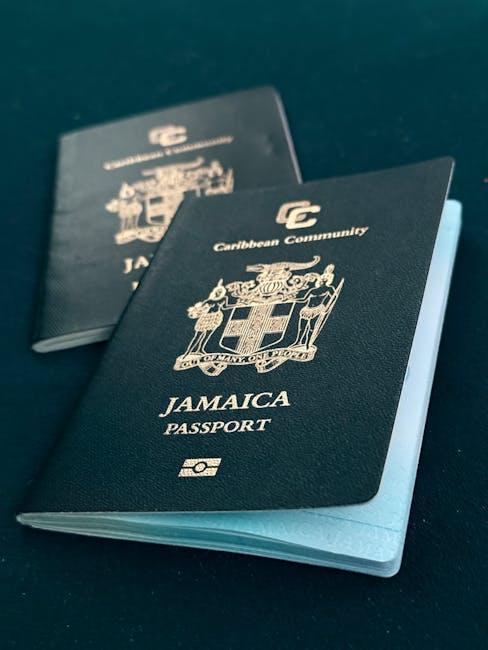
Understanding Dual Nationality and Its Legal Implications
Holding citizenship in two countries offers a rich tapestry of cultural and legal connections, yet it also comes with a complex web of responsibilities. Dual nationality often means abiding by the laws and regulations of both nations, which can sometimes conflict. For example, obligations such as taxation, military service, and voting rights may overlap, requiring a careful balancing act. Understanding these nuances is crucial for avoiding unintended legal pitfalls that could affect everything from property ownership to international travel.
The legal landscape varies widely, and some countries embrace dual citizenship while others limit or prohibit it altogether. Key factors to consider include:
- Tax obligations: Dual nationals may be taxed on global income by both countries.
- Consular protection: Access to assistance abroad might be restricted depending on the country you are in.
- Inheritance laws: Property rights can be complicated by differing national statutes.
| Aspect | Country A | Country B |
|---|---|---|
| Taxation | Worldwide income taxed | Tax only domestic income |
| Military Service | Mandatory at 18 | Voluntary |
| Dual Citizenship Policy | Allowed | Not recognized |
Balancing Cultural Identity and Personal Belonging
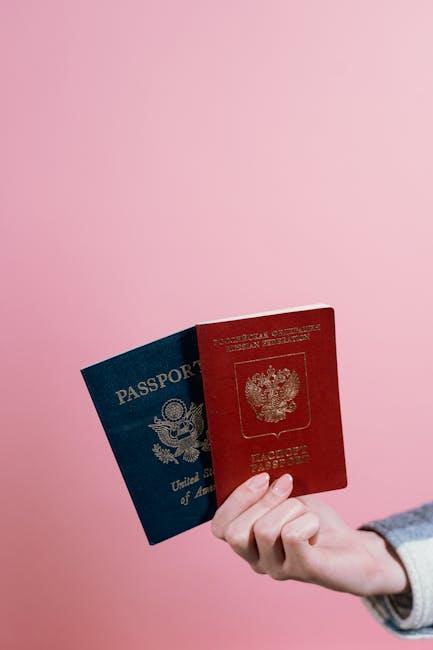
Straddling more than one culture often feels like walking a tightrope where each step must delicately honor tradition while embracing individuality. For those with dual nationality, this balancing act becomes a daily rhythm—an intricate dance of preserving ancestral stories and customs while carving out a personal sense of belonging that transcends borders. It’s not just about choosing one culture over another, but weaving both into a cohesive narrative that reflects a unique, hybrid identity. This experience fosters resilience and adaptability, yet it can also evoke moments of cultural dissonance, where neither side feels entirely “home.”
People navigating this duality often rely on several strategies to find harmony:
- Embracing multilingualism: Language becomes a bridge, connecting past and present, and unlocking doors to different communities.
- Celebrating selective traditions: Customizing cultural practices helps create meaningful rituals that resonate personally.
- Building intercultural networks: Engaging with diverse groups fosters a sense of belonging beyond geography.
Through these efforts, many discover that identity is not a fixed destination but a fluid journey—one where the richness of dual nationality becomes a powerful source of self-definition and community connection.
| Challenge | Strategy | Outcome |
|---|---|---|
| Cultural Expectations | Selective Tradition Adoption | Personalized Rituals |
| Language Barriers | Learning Both Languages | Enhanced Communication |
| Sense of Displacement | Building Intercultural Networks | Expanded Belonging |
Challenges and Opportunities in Cross-Border Relationships
Living between two countries often means balancing the complexities of cultural expectations, legal systems, and social norms. Communication barriers can emerge, even for those fluent in multiple languages, as subtle nuances and local expressions shape everyday exchanges. Emotional tensions may arise from feelings of divided loyalty or identity confusion, where individuals grapple with belonging fully to either nationality. Yet, this dual perspective also unlocks a unique set of advantages—broader worldviews, enhanced adaptability, and the ability to foster deeper connections with diverse communities.
In practical terms, navigating dual nationality introduces distinct challenges, such as tax obligations and complicated visa regulations. However, these hurdles are often outweighed by opportunities for personal growth and professional innovation, especially in an increasingly globalized job market. To illustrate, the following table outlines some prominent hurdles alongside potential benefits:
| Challenge | Opportunity |
|---|---|
| Legal complexities with citizenship laws | Access to multiple social services and benefits |
| Maintaining relationships across time zones | Cultural fluency and cross-cultural empathy |
| Potential identity confusion | Expanded professional and educational prospects |
- Resilience becomes a core skill, as individuals learn to navigate constant change.
- Network expansion across borders enriches both personal and professional horizons.
- Cultural hybridity offers creative ways to integrate traditions and new ideas.
Practical Tips for Managing Dual Citizenship Responsibilities
Balancing obligations across two nations requires more than just awareness; it demands strategic planning. Prioritize keeping dual documentation updated—passports, visas, and even tax identifications—to avoid legal snags. Establish a system for timely reminders regarding key dates such as tax filings, voting registrations, and residency renewals in both countries. Additionally, immerse yourself in the cultural nuances of each nation to foster a deeper connection and avoid misunderstandings that may arise from differing civic expectations.
Effective management also hinges on leveraging reliable resources. Here’s a quick checklist of essentials for smooth navigation:
- Consult Local Experts: Engage immigration lawyers or consultants familiar with dual citizenship laws.
- Financial Planning: Understand tax treaties and banking regulations to prevent double taxation.
- Language Proficiency: Maintain or enhance your language skills to facilitate seamless communication.
- Document Organization: Use digital tools or secure filing systems to keep important papers accessible and safe.
| Responsibility | Frequency | Tip |
|---|---|---|
| Tax Filing | Annually | Set calendar alerts well ahead |
| Passport Renewal | Every 5-10 years | Check expiration dates biannually |
| Voting Registration | Before elections | Register online or in-person early |
| Civic Duties | Ongoing | Stay informed on local laws |
Building Inclusive Communities Through Dual National Perspectives
Individuals holding dual nationality often find themselves weaving intricate cultural tapestries, blending values, traditions, and social norms from two distinct backgrounds. This duality becomes a powerful catalyst for fostering inclusive communities, as these individuals naturally act as bridges between cultures, encouraging understanding and empathy. By embracing their multifaceted identities, they challenge the notion of singular belonging and promote a richer, more diverse social fabric where multiple perspectives coexist harmoniously.
Building genuinely inclusive communities requires recognizing the unique contributions dual nationals bring to the table, such as:
- Multilingual communication skills, enhancing cross-cultural dialogue
- A broadened global mindset, helping to dismantle stereotypes and prejudices
- Adaptive problem-solving abilities, derived from navigating complex identity dynamics
These qualities empower dual nationals to serve as catalysts in creating environments where diversity is not only accepted but celebrated.
| Aspect | Impact on Community |
|---|---|
| Cultural Exchange | Increases mutual understanding and respect |
| Economic Collaboration | Fosters international business opportunities |
| Social Integration | Encourages inclusion of minority groups |
The Conclusion
In the intricate tapestry of dual nationality, identity becomes a living mosaic—woven from the threads of multiple cultures, histories, and legal landscapes. Navigating these intertwined worlds calls for a balance of belonging and adaptability, a journey where borders are both lines on a map and gateways to broader understanding. As global connections deepen and identities continue to evolve, embracing dual nationality invites us to redefine what it truly means to belong—beyond any single flag, toward a richer, more expansive sense of self.