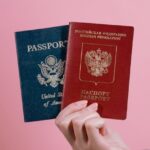
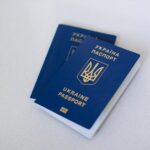
In an increasingly interconnected world, the concept of identity has grown more complex and layered than ever before. Dual nationality—holding citizenship in two different countries—serves as a unique bridge between distinct cultures, laws, and ways of life. It offers a rich tapestry of opportunities and challenges, weaving together separate histories into a single, multifaceted existence. This article delves into the nuanced experience of navigating identity across two worlds, exploring how dual nationals reconcile their sense of belonging, legal rights, and cultural ties amid the backdrop of global mobility and shifting national landscapes.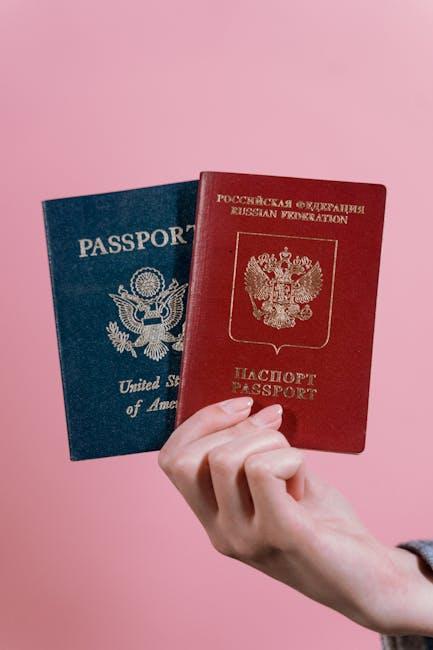
Understanding Dual Nationality and Its Emotional Landscape
Carrying dual nationality often means embracing a rich, multifaceted identity that blends distinct cultural tapestries. This experience can evoke a profound sense of connection and belonging, yet it may also stir internal conflicts as individuals balance competing traditions and societal expectations. Emotional navigation here doesn’t merely involve administrative borders; it intertwines with personal narratives shaped by family history, language, and values.
Individuals with two citizenships frequently encounter a spectrum of emotions that range from exhilarating pride to subtle feelings of displacement. Recognizing these feelings as part of a broader journey helps foster self-awareness and resilience. The emotional landscape frequently includes:
- Joyful hybridity: Celebrating diverse customs and festivities.
- Conflicted allegiance: Balancing loyalty between two nations.
- Identity ambiguity: Questioning where ‘home’ truly lies.
- Empowerment: Access to broader opportunities and perspectives.
| Emotional Aspect | Common Experience |
|---|---|
| Connection | Feeling closely tied to two cultural roots |
| Confusion | Struggling to align identities |
| Empowerment | Leveraging dual belonging for personal growth |
| Alienation | Occasionally feeling ‘out of place’ in both countries |
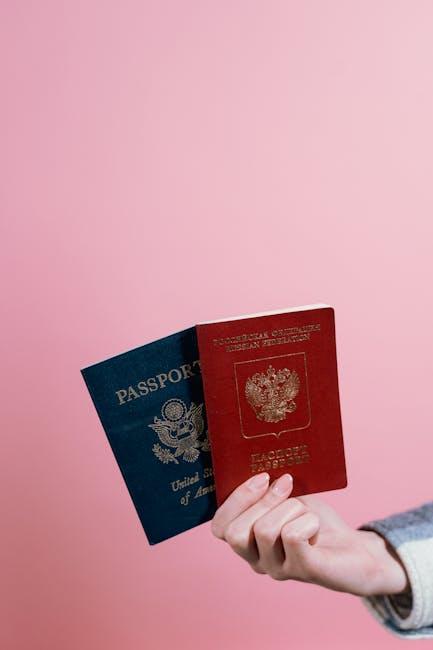
Balancing Legal Rights and Responsibilities in Two Countries
Holding citizenship in two countries often means embracing a unique set of legal advantages alongside a complex web of obligations. Dual nationals can enjoy privileges like political participation, working rights, and access to governmental services in both nations. However, these benefits come with crucial responsibilities that must be managed carefully to avoid conflicts. It’s vital to be aware that legal systems might have overlapping demands, such as taxation, military service, or residency requirements, which require proactive planning and informed decision-making.
When navigating these overlapping duties, it’s helpful to consider key aspects that may affect your daily life and long-term plans:
- Tax obligations: Understanding bilateral tax treaties to prevent double taxation.
- Legal compliance: Complying with laws in both countries to maintain good standing.
- Travel considerations: Managing passports and visas depending on the country of entry or exit.
- Civic duties: Being aware of voting rights and mandatory national services.
| Aspect | Responsibility | Potential Benefit |
|---|---|---|
| Taxation | File annual returns in both countries | Avoid double taxation through treaties |
| Military Service | Possible conscription or alternatives | Eligibility for certain social benefits |
| Voting | Register in local or national elections | Influence political decisions in both nations |
Cultural Integration Challenges and Opportunities
Balancing two cultures often means walking a tightrope between differing customs, values, and social expectations. Individuals with dual nationality frequently encounter the subtle friction of aligning their internal sense of self with external perceptions from both communities. This can lead to moments of cultural dissonance, where traditions and norms from one world feel at odds with those of the other. However, this duality also fosters a unique resilience and adaptability, enabling individuals to become cultural translators fluent in the language of empathy and understanding.
On the flip side, navigating multiple cultural landscapes opens up a wealth of opportunities for personal growth and broader social connections. Being part of two worlds encourages expansive thinking, creativity, and the ability to bridge gaps between diverse groups. Below are some common challenges and opportunities associated with this experience:
- Challenges: Identity confusion, societal bias, linguistic barriers
- Opportunities: Cross-cultural communication skills, broader worldview, diverse networks
| Aspect | Challenge | Opportunity |
|---|---|---|
| Social Belonging | Feeling torn between two communities | Building inclusive, hybrid identities |
| Language | Miscommunication or language loss | Bilingual skills enhancing cognitive flexibility |
| Tradition | Conflicting celebrations and rituals | Rich cultural mosaic through combined practices |
Practical Tips for Managing Dual Citizenship Effectively
Balancing life between two countries requires thoughtful planning and awareness. Start by keeping all your important documents—passports, visas, and residence permits—organized and up to date. Consider creating a secure digital folder accessible from anywhere, so you have critical information at your fingertips. Additionally, stay informed about tax obligations and legal rights in both nations to avoid surprises. Building a trusted network of legal or financial advisors familiar with dual citizenship can save you time and stress when facing complex bureaucratic processes.
Embracing your dual identity also means nurturing connections to both cultures. Engage regularly with community groups, language-learning opportunities, and cultural events tied to each country. This strengthens your sense of belonging and eases the challenges of shifting between different social norms. To help manage important timelines and obligations, use the following straightforward planner:
| Task | Frequency | Notes |
|---|---|---|
| Passport Renewal | Every 5-10 years | Check expiration 6 months in advance |
| Tax Filing | Annually | Consult dual tax treaties |
| Community Events | Monthly | Maintain cultural ties |
| Health Insurance Review | Yearly | Adjust for coverage in both countries |
Building a Cohesive Identity Across Diverse Heritage
Embracing a multifaceted identity requires navigating the subtle dance between heritage and personal experience. Those with dual nationality often find themselves weaving together traditions, languages, and values, creating a tapestry enriched by its diversity yet yearning for harmony. To build a unified sense of self, it is essential to recognize the strength in both worlds—not as opposing forces but as complementary threads that, when interlaced, produce a vibrant and resilient identity.
Key strategies for fostering unity within diverse heritage include:
- Celebrating Cultural Milestones: Marking holidays, festivals, and customs from both backgrounds solidifies a connection to each lineage.
- Storytelling and Memory Sharing: Passing down family histories encourages a shared narrative that bridges generational gaps.
- Language Integration: Maintaining bilingualism nurtures cognitive flexibility and emotional ties to both cultures.
| Aspect | Heritage A | Heritage B | Unified Identity |
|---|---|---|---|
| Language | Formal, tonal | Expressive, rhythmic | Bilingual fluency with nuanced understanding |
| Values | Individualism | Community focus | Balanced perspective emphasizing both self and society |
| Customs | Structured rituals | Spontaneous celebrations | Flexible traditions honoring both structure and spontaneity |
Concluding Remarks
In the intricate tapestry of dual nationality, identity is rarely a linear story—it is a mosaic of experiences, cultures, and emotions woven together across borders. Navigating these overlapping worlds demands resilience and reflection, inviting individuals to redefine what it means to belong. Ultimately, embracing dual nationality is not just about holding two passports; it’s about living two narratives simultaneously and finding harmony in the spaces where they intersect. In this evolving landscape, the journey toward self-understanding becomes as rich and multifaceted as the identities themselves.