In the intricate chessboard of global citizenship, dual nationality emerges as a powerful yet often underestimated piece. It promises seamless access to diverse cultures, opportunities, and rights across borders-a veritable passport to a more flexible existence. Yet beneath this appealing veneer lies a complex web of strategic interests, carefully navigated by governments who recognize dual nationality not merely as a personal privilege, but as a subtle instrument of influence and control. This article delves into the nuanced reality behind dual citizenship, exploring how states hope you enjoy its benefits-just not to the fullest extent that might challenge their authority or reshape international dynamics.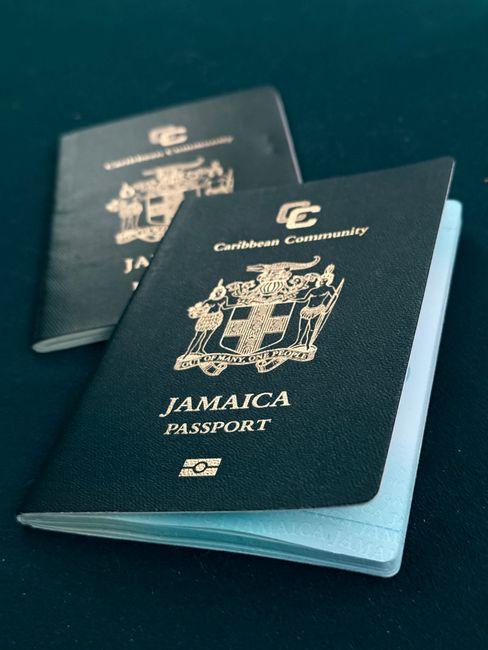
The Double-Edged Sword of Dual Citizenship Governments Guard Against Your Full Leverage
Dual citizenship is often celebrated as a gateway to boundless opportunities, but the reality is steeped in complexities that governments vigilantly regulate to limit your ultimate leverage. The undeniable strategic value of holding two passports prompts states to enforce measures that curb the full exercise of dual nationals’ rights, especially concerning political participation, military obligations, and tax liabilities. For instance, while you might gain voting rights in both countries, certain nations restrict these rights to prevent conflicting allegiances. Similarly, mandatory conscription in one country can effectively immobilize your mobility or financial planning abroad. The assumption that dual citizenship equates to seamless global freedom glosses over these calculated constraints governments embed, transforming it into a double-edged sword rather than an unbridled advantage.
Smart navigation of dual nationality requires a discerning approach: not all citizenship pairs yield equal gain, and some combinations expose you to disproportionate risks. Consider the built-in trade-offs where tax treaties, social security agreements, and legal protections intersect unevenly. A simplified comparison table of potential pitfalls illustrates the necessity for selective alignment:
| Aspect | Country A Focus | Country B Constraint | Pragmatic Recommendation |
|---|---|---|---|
| Taxation | No global taxation | Worldwide income tax liability | Prioritize tax residency clarity; consult cross-jurisdictional tax experts |
| Military Service | Compulsory conscription | Voluntary or none | Weigh obligations before formalizing status; defer or renounce if needed |
| Political Rights | Full voting and office holding | Restricted political participation | Understand political engagement limits to avoid disenfranchisement |
- Protection vs. Compliance: While dual citizenship can shield you in crises, it places you under dual jurisdictions, increasing bureaucratic scrutiny and obligations.
- Identity vs. Liability: Emotional and cultural ties do not immunize you from legal liabilities and conflicting national interests.
- Opportunity vs. Restriction: The dual advantage often comes tethered to paradoxical restrictions that blunt your strategic maneuvering.
Ultimately, maximizing dual citizenship’s value is less about the quantity of passports and more about the quality of understanding the subtle boundaries governments erect. Blunt assumptions about automatic benefits obscure the painstaking discernment required to wield your dual status as a genuine strategic asset rather than a regulatory burden disguised as privilege.

When Dual Nationality Becomes a Policy Labyrinth Instead of a Passport to Freedom
Dual nationality is often romanticized as a golden ticket to transcend borders and unlock global opportunities. Yet, for many, it morphs into an intricate policy labyrinth that traps rather than liberates. The seductive promise of dual allegiance often collides with conflicting legal frameworks, creating a maze where rights, obligations, and loyalties blur into uncertainty. Far from a seamless passport, dual nationality can entail compulsory military service in two countries, double taxation disputes, or even the risk of statelessness if one nationality is revoked. Governments leverage these complexities to exert control, designating certain nationalities as incompatible or strategically problematic, effectively weaponizing the dual status. The real challenge lies not in acquiring multiple citizenships, but in navigating the invisible landmines that come with them-especially when policies lack harmonization and clear bilateral agreements.
To unpack this, consider the nuanced trade-offs between embracing dual nationality as a symbol of freedom versus the pragmatic governance realities that can turn it into a bureaucratic quagmire. While it certainly offers expanded mobility and economic benefits, it also demands a sophisticated understanding of each country’s legal idiosyncrasies. Recommendations for potential dual nationals include:
- Performing rigorous due diligence on military, tax, and legal obligations before committing.
- Establishing early communication with consulates or immigration attorneys specializing in dual citizenship dynamics.
- Recognizing that some governments use nationality as a bargaining chip in diplomatic negotiations, sometimes restricting dual nationals’ rights unpredictably.
| Policy Dimension | Common Pitfalls | Strategic Insight |
|---|---|---|
| Military Service | Mandatory conscription conflicting between states | Explore exemptions or deferments through diplomatic channels |
| Taxation | Overlapping tax liabilities without credit mechanisms | Consult tax treaties early to avoid double taxation |
| Political Rights | Restrictions on holding office or voting in one country | Assess where political engagement aligns with long-term goals |
Ultimately, dual nationality is less a universal liberator and more a calculated gamble. In a geopolitical landscape where every allegiance is scrutinized, the savvy must weigh the freedom of borderless identity against the shackles of divided legal and political responsibilities.
Beyond Borderless Identity Exploring the Complex Costs Behind Dual Allegiances
Dual nationality is often framed as an unmitigated asset-an empowering badge of global citizenship that erases borders and amplifies opportunity. Yet, beneath this glossy narrative lies a web of complex costs that challenge the notion of seamless, borderless identity. For many, the legal and emotional tug-of-war between two nations is not a harmonious blending but a source of bureaucratic friction, cultural dissonance, and divided loyalties. Governments, aware of these intricacies, capitalize on the confusion by embedding strategic constraints like selective taxation, mandatory military service, and paradoxical citizenship obligations. These aren’t mere administrative hurdles; they represent deliberate mechanisms to temper the individual’s agency, making dual allegiance not just a personal identity choice but a calculated negotiation with sovereign power.
Recognizing this nuanced battleground requires moving beyond the simplistic dichotomy of privilege versus burden. Instead, evaluate dual nationality through a prism of trade-offs that hinge on geopolitical climate, socio-economic status, and even generational shifts. For instance:
- Economic leverage: While holding passports from developed and developing nations can unlock financial and travel advantages, it also exposes individuals to complex tax regimes that often come with costly compliance.
- Civic participation: Voting rights and political influence may be diluted or contested when allegiance is split, sometimes disenfranchising the individual in either homeland.
- Security risks: In politically volatile contexts, dual nationals can become pawns or suspects in espionage accusations, undermining personal safety and freedom.
For those navigating this terrain, the recommendation is clear but challenging: cultivate a sophisticated understanding of your dual identity’s juridical frameworks and geopolitical contexts before crossing borders. Embrace dual nationality with strategic mindfulness, not naive idealism, and be prepared to weigh the practical consequences against the symbolic allure. The dual nationality narrative should not be about “having it all” but about knowing precisely what you are willing-and able-to negotiate in a world where allegiance is both a personal bond and a geopolitical bargaining chip.
The Strategic Calculus Governments Hope You Overlook in Claiming Multiple National Ties
At first glance, multiple nationalities might appear as an unmitigated advantage-freedom of movement, extended rights, and cross-border opportunities. However, the strategic calculus employed by governments reveals a more calculated, often self-serving narrative. States do not merely tolerate dual nationality out of benevolence; they see it as a lever for geopolitical influence, economic gain, and demographic control. Governments tactically encourage or restrict dual citizenship based on how it aligns with their national interests, visa policies, and diplomatic ambitions, often overlooking the personal complexities it imposes on individuals. While dual nationality can offer a buffer against the unpredictability of international relations, it also places individuals in the crossfire of conflicting loyalties, legal obligations, and even surveillance, a trade-off that too few fully grasp until entangled in disputes over taxation, military service, or extradition.
Rather than viewing dual nationality as a mere personal benefit or identity marker, it demands a nuanced, strategic perspective that acknowledges implicit state agendas. Consider the following critical distinctions that underscore what governments often hope you ignore:
- Selective Leverage vs. Universal Benefit: Some states grant multiple citizenships selectively, favoring diasporas that can further economic and political ambitions while excluding those deemed security risks.
- Dynamic Rights vs. Conditional Allegiances: The rights associated with each nationality can shift rapidly with geopolitical tides, underlining the temporary nature of citizenship in the face of state sovereignty.
- International Mobility vs. Jurisdictional Complexity: Dual holders wield enhanced travel freedom but simultaneously inherit complex, often conflicting, tax and legal responsibilities that can trap rather than liberate.
| Government Strategy | Underlying Motivation | Impact on Dual Nationals |
|---|---|---|
| Encouraging Duality | Harness diaspora economic potential and soft power | Greater access to trade and investment opportunities but potential political leverage exerted |
| Restricting Duality | Maintain demographic control and national security | Forced renunciation or hidden vulnerabilities in legal protections |
Ultimately, governments position dual nationality not as a gift to citizens but as a chess piece in a far-reaching strategic game. Those who fail to recognize this risk being pawned off rather than empowered. To truly harness the power of multiple national ties, individuals must balance the seductive promises of dual citizenship with a rigorous appraisal of the geopolitical strings attached-a critical step in transforming citizenship from a static status into a strategic asset.
Counterintuitive Moves and Smarter Alternatives to Dual Nationality as a Global Advantage
- Rethink the “More Passports, More Power” Mantra: Contrary to popular belief, accumulating multiple nationalities doesn’t linearly translate to increased advantages. The complexity of legal obligations, tax exposures, and political entanglements often outweigh the perceived freedom. Instead of chasing quantity, prioritize quality and strategic fit: how each nationality complements your career, residence preferences, and fiscal landscape. For instance, holding citizenship in two countries with conflicting tax laws or mandatory military service can erode the intended benefits rather than enhance them.
- Leverage Residency-Based Strategies Over Citizenship: Dual nationality is frequently conflated with ultimate global mobility and security, yet residency rights or long-term visas often deliver comparable-if not superior-flexibility with fewer strings attached. Residency allows one to tap into local benefits such as healthcare, business opportunities, and social networks without the lifelong burdens of allegiance or taxation. Smart global movers increasingly use a mix of multi-jurisdictional residencies combined with a single stable citizenship to balance loyalty, privacy, and operational agility effectively.
| Aspect | Dual Nationality | Strategic Residency |
|---|---|---|
| Legal Complexity | High, multi-layered obligations | Lower, jurisdiction-specific focus |
| Tax Exposure | Potentially global, often unavoidable | Localized, manageable with planning |
| Lifespan of Benefits | Permanent but inflexible | Renewable and adaptable |
| Political Risk | Dual allegiances increase exposure | Lower, due to fewer formal ties |
To Conclude
As the intricate dance of global citizenship continues, dual nationality emerges not just as a personal identity facet but as a strategic lever in the geopolitical arena. Governments, with their layered motives and hidden agendas, view this duality as both a tool and a challenge-a power play few fully acknowledge, let alone exploit. Whether embraced as a passport to opportunity or scrutinized as a security concern, dual nationality remains a nuanced game with rules that are often unspoken. In navigating this complex landscape, individuals stand at a crossroads, balancing the promise of expanded horizons against the shadows cast by political maneuvering. Ultimately, understanding the full dimensions of dual nationality may be the key to unlocking its true potential-something both citizens and states must carefully consider in the evolving narrative of global belonging.