
In a world where borders blur and identities intertwine, the concept of nationality is evolving beyond singular definitions. Dual nationality, often misunderstood as a legal gray area or an opportunistic loophole, is instead emerging as a powerful strategic asset. Far from being merely a convenience, holding two passports unlocks a realm of opportunities-economic, social, and diplomatic-that can redefine personal and professional horizons. This article embarks on a journey to unveil the true essence of dual nationality, exploring why it stands as a legitimate and advantageous bridge between cultures and countries, rather than a shadowy escape from obligation.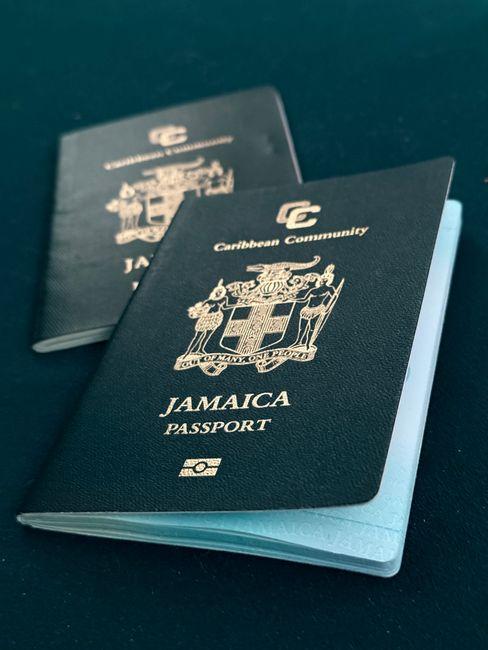
Beyond Borders and Bureaucracy Rethinking the True Value of Dual Nationality
Dual nationality often triggers debates framed by outdated assumptions about loyalty and legal loopholes. Yet, reducing it to mere bureaucratic ambiguity overlooks its profound role in bridging cultures, economies, and identities. It is crucial to distinguish between the legal complexities that sometimes accompany multiple citizenships and the strategic socio-economic advantages they unlock. Where critics see divided allegiance, strategic individuals see flexible identity frameworks enabling global mobility beyond rigid national confines-an asset especially relevant in an increasingly interconnected world. However, the value of dual nationality is not universal; it demands a discerning understanding of one’s personal and professional context to exploit its benefits without falling into common pitfalls such as tax inefficiencies or conflicting legal obligations.
To navigate dual nationality effectively, consider the trade-offs with a nuanced approach:
- Legal compliance vs. Opportunity expansion: Rigid adherence to one nationality’s legal framework might limit access to benefits like employment rights or property ownership offered by the other.
- Identity fluidity vs. Political risk: While multiple citizenships enable cultural fluency, they can complicate political participation or obligations in countries with contested diplomatic relations.
- Tax optimization vs. Administrative burden: Dual passport holders often need bespoke financial strategies to avoid overtaxation or legal exposure.
| Aspect | Potential Benefit | Common Misconception |
|---|---|---|
| Travel | Easier visa access and entry privileges | Assuming visa-free access is guaranteed |
| Work | Right to work and establish businesses in multiple countries | Believing all dual nationals have unfettered employment rights |
| Political Rights | Ability to vote or participate in multiple democratic processes | Assuming full political parity in both countries |
Ultimately, the true value of holding two passports lies not in evading legal frameworks but in transcending them to craft a life that leverages global opportunities while respecting the nuanced responsibilities each nationality entails.
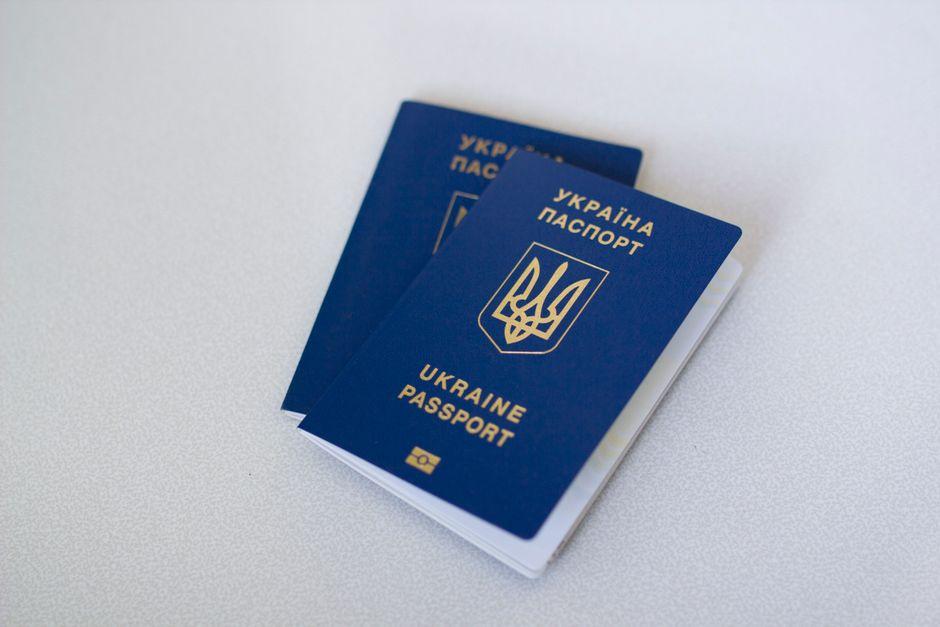
Navigating Complex Allegiances The Subtle Challenges Dual Citizens Face
Dual citizenship often conjures images of seamless global mobility and unparalleled freedom, yet beneath this allure lies a labyrinth of complex allegiances that demand careful navigation. Far from mere bureaucratic inconvenience, these challenges can strike at the heart of identity, loyalty, and legal obligation. Dual citizens are not always granted the luxury of choosing which nationality’s laws apply without repercussions-especially in scenarios involving military service, taxation, or political participation. The common assumption that holding two passports grants carte blanche is overly simplistic. In reality, the interplay between the two nations’ policies can create conflicting demands that require a sophisticated balancing act, one where clarity often gives way to ambiguity. For instance, while one country labels a dual citizen as solely its national, another may expect adherence to its own conscription laws, leaving the individual caught in a painful stalemate between competing citizenship duties.
Recognizing these nuanced challenges, dual citizens must embrace proactive strategies that go beyond routine compliance. This means cultivating an intimate knowledge of both countries’ legal frameworks and anticipating scenarios where their obligations could collide. A thoughtful approach includes:
- Prioritizing legal counsel with bi-jurisdictional expertise, who can navigate and forecast potential conflicts.
- Maintaining transparent communication with relevant authorities to preempt misunderstandings or inadvertent legal breaches.
- Strategically planning lifestyle, career, and residency choices to minimize exposure to competing demands.
Below is a concise comparison that highlights key areas where dual citizenship can become a minefield, urging a deliberate, informed approach rather than a laissez-faire attitude:
| Area | Potential Conflict | Recommended Strategy |
|---|---|---|
| Military Service | Compulsory enlistment in both countries | Seek exemptions or deferments via diplomatic channels early |
| Taxation | Double taxation or conflicting filing requirements | Utilize applicable tax treaties and professional tax planning |
| Political Rights | Restrictions or obligations related to holding office or voting | Understand local laws and clarify your status before engagement |
Ultimately, dual nationality is not a binary privilege but a spectrum of calculated trade-offs that test one’s ability to reconcile dual identities legally and ethically. Embracing its strategic advantages requires more than paperwork-it demands a nuanced, vigilant stewardship of one’s multiple allegiances.
Double Passports as Strategic Currency Unlocking Opportunities Without Exploiting Loopholes
Contrary to the widespread misconception that holding dual passports is merely a crafty attempt to circumvent legal boundaries, it is more accurately understood as a form of strategic currency. This currency unlocks access to diverse opportunities-be it in business, travel, education, or residency-that singular nationality simply cannot offer. Rather than exploiting loopholes, dual citizenship represents a conscious alignment with multiple sovereignties, each offering unique privileges and protections. However, this strategic advantage is not without its trade-offs; navigating the varied obligations, tax regimes, and legal frameworks of two nations demands a well-informed, proactive approach. The holder must avoid complacency, as dual nationality shifts the challenge from legality to effective, responsible management of intersecting allegiances.
Embracing dual passports necessitates nuanced decision-making grounded in both long-term vision and immediate practicalities. For example, choosing which nationality’s passport to use during travel can expand visa-free access exponentially but can also trigger intricate tax implications or military service requirements. The key lies in recognizing dual citizenship not as a one-size-fits-all panacea but as a tailored asset requiring strategic deployment. Consider the comparison below, where two common dual passport holders weigh their options within varying geopolitical and economic contexts:
| Factor | Passport A (Developed Country) | Passport B (Developing Country) |
|---|---|---|
| Visa-Free Travel | Expansive (190+ countries) | Limited (50-70 countries) |
| Tax Obligations | High compliance complexity | Simple but with currency risks |
| Residency & Work Rights | Broad multinational access | Often restricted, but offers local leverage |
| Political Stability | Stable, rule of law entrenched | Varies widely, potential volatility |
- Recommendation: Capitalize on the developed country passport for global mobility and legal safeguards.
- Recommendation: Leverage the developing country passport for entrepreneurial opportunities and localized influence.
- Warning: Avoid toggling passively between passports without understanding legal ramifications-strategic use beats opportunistic switches.
When Dual Identity Meets Legal Realities Unpacking Hard Truths About Citizenship
Dual nationality often gets boxed into simplistic narratives: it’s either an exploitative loophole in the legal system or an unequivocal advantage. The truth is far more complex. Holding two passports thrusts the individual into a legal liminal space where overlapping sovereignties don’t always harmonize. This can create both potent opportunities and unavoidable frictions. For instance, dual citizens may face conflicting obligations such as military service, tax liabilities, or legal responsibilities, which aren’t just bureaucratic hurdles but real, enforceable mandates with tangible consequences. The notion that citizenship is a “right” detached from these hard realities overlooks the legal gravity of allegiance; countries expect genuine commitment, not just documentation. Understanding when two nationalities complement each other-and when they collide-is essential for navigating this terrain without falling into costly pitfalls or false promises.
To unpack these legal realities, consider the following trade-offs that dual nationality often demands:
- Security vs. Sovereignty: Dual citizenship can provide increased global mobility and protection, but it simultaneously subjects the individual to multiple legal systems, which may conflict, especially in geopolitical tensions or diplomatic disputes.
- Privilege vs. Accountability: While economic and social opportunities broaden, so does the maze of tax codes, military obligations, and conscription laws; ignoring these responsibilities risks legal repercussions and reputational damage.
- Identity vs. Legal Uniformity: Emotional or cultural affiliations may favor dual status, but legal systems seldom accommodate dual identities smoothly-expecting singular loyalty in times of crisis.
| Aspect | Potential Benefit | Legal Challenge |
|---|---|---|
| Taxation | Access to favorable tax regimes, wealth diversification | Double taxation, complex reporting requirements |
| Military Service | Optional service in one home country | Mandatory conscription conflicts, legal penalties for avoidance |
| Diplomatic Protection | Multiple consular protections | Limited protections if both countries claim jurisdiction simultaneously |
Given these nuances, dual citizens must approach their status with informed intentionality rather than assuming it’s a carte blanche for freedom. A prudent recommendation is to engage specialized legal counsel to map out overlapping duties and rights, tailoring strategies to avoid entanglements that no amount of passport power can resolve. Ultimately, dual nationality is not a legal loophole to exploit but a complex instrument demanding strategic management-one that can reward if wielded astutely, or punish if misunderstood.
Smart Citizenship Choices Examining Alternatives That Rival Holding Two Passports
- Single Passport with Strategic Visa Management: Many assume holding two passports is the only way to maintain global mobility, but careful visa planning with a single passport can sometimes outperform dual nationality. Leveraging long-term visas, residency permits, and trusted visa facilitation services can curb challenges linked to dual citizenship, such as tax complexity or compulsory national service. However, this approach demands meticulous diplomatic insight and long-term investment in compliance, making it less flexible when geopolitical conditions shift abruptly.
- Second Residency Instead of Citizenship: Opting for a second residency permit rather than full citizenship often strikes a better balance for pragmatic global citizens. This alternative provides many benefits of dual nationality-access to local economies, travel advantages, and diverse lifestyle options-without the legal obligations that dual citizenship entails. Nonetheless, second residencies typically lack the electoral and consular protections of citizenship, and renewal criteria can be stringent, exposing holders to potential abrupt status changes.
| Citizenship Strategy | Key Advantages | Notable Trade-Offs |
|---|---|---|
| Dual Nationality | Broadest political rights, consular protection, seamless cross-border mobility | Complex tax compliance, potential political risk, possible dual loyalties concern |
| Second Residency | Access to local services and economies, less legal obligation, flexible lifestyle options | Lacks political rights, possible residency renewal uncertainties |
| Single Passport + Visa Strategy | Simplified legal status, potential reduction in tax and administrative burdens | Requires expert planning, limited fallback if geopolitical climates sour |
In Summary
In the intricate dance of borders and identities, dual nationality emerges not as a mere legal curiosity, but as a thoughtful strategy-an emblem of global citizenship in a world where opportunities rarely respect a single passport. It is a bridge linking cultures, economies, and possibilities, empowering individuals to navigate complexities with confidence rather than confusion. As laws evolve and societies become ever more interconnected, carrying two passports is less about exploiting loopholes and more about embracing the multifaceted nature of modern identity. Ultimately, dual nationality stands as a testament to the dynamic, borderless aspirations of today’s global citizens.




