
In a world increasingly defined by borders both tangible and invisible, the allure of holding two passports has become more than a mere convenience-it’s a symbol of opportunity, identity, and freedom. Yet, beyond the glossy pages of travel brochures and the ease of crossing international boundaries lies a complex reality. Dual nationality, while offering undeniable benefits, often comes with a hidden weight: divided loyalties. Balancing legal obligations, cultural ties, and personal allegiances requires far more than a simple signature on a form. This article delves into the multifaceted nature of dual citizenship, exploring why holding two passports demands a nuanced understanding of identity, responsibility, and the compromises that come with straddling two worlds.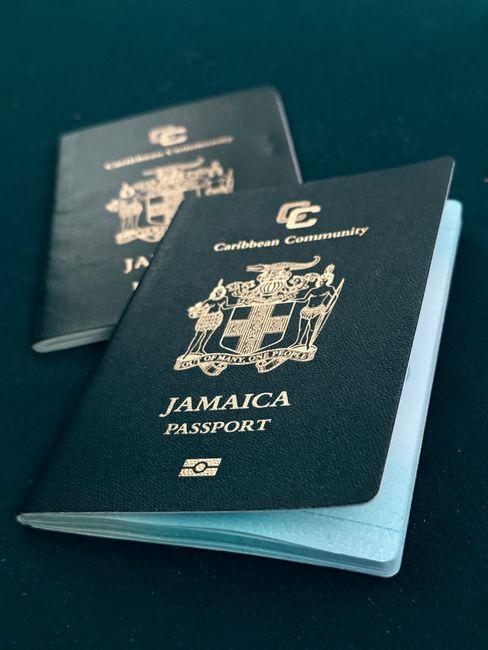
The Complex Identity Puzzle Behind Dual Citizenship and Loyalty Conflicts
Dual citizenship often conjures an image of seamless cultural integration and an uncomplicated legal status, but the reality is far more intricate. Holding two passports does not simply double one’s benefits-it can sharply divide one’s sense of identity and loyalty. The psychological tension between belonging entirely to two nations is frequently understated. People risk living in a liminal space where allegiance becomes fragmented, especially when confronting politically sensitive issues or conflicting national expectations. It’s a profound trade-off: the convenience and broadened opportunities offered by dual nationality come tethered to a continuous negotiation of selfhood, where the demand to prioritize one homeland’s interests over another can challenge personal consistency and cognitive harmony.
These conflicts are not universally experienced the same way, and this variation underscores the importance of discerning the type of dual citizenship one holds. For instance, having dual citizenship by birthright often cultivates a genuine bicultural identity and can strengthen cross-national loyalty. In contrast, citizenship acquired primarily for strategic or economic advantages, such as tax benefits or travel freedom, risks shallow attachments and a more transactional relationship with each country. A useful heuristic is to assess the depth of cultural affinity versus practical utility. Here’s a simplified breakdown:
| Citizenship Type | Identity Engagement | Loyalty Complexity | Recommended Approach |
|---|---|---|---|
| Birthright Dual Citizenship | High | Moderate (Emotional Conflicts) | Embrace biculturalism; nurture informed empathy |
| Naturalized Dual Citizenship | Variable (Often Lower) | High (Pragmatic vs. Emotional Discrepancies) | Develop conscious values framework; clarify priorities |
| Economic/Strategic Dual Citizenship | Low | High (Transactional Loyalty Risks) | Exercise ethical reflection; anticipate external scrutiny |
- Nuance over neutrality: Recognizing the varied layers of identity helps avoid simplistic binary views of loyalty.
- Proactivity over passivity: Dual citizens benefit from openly navigating their complex roles rather than ignoring or downplaying conflicts.

When Convenience Masks Compromise Exploring the Hidden Costs of Holding Two Passports
Holding dual citizenship often promises unparalleled convenience: seamless travel, business flexibility, and expanded rights. However, these surface-level perks can mask significant, often overlooked compromises. The assumption that dual nationality is an unmitigated advantage ignores the tangled web of legal obligations and emotional labor it entails. Administrative complexities, including tax filings in multiple jurisdictions and compliance with varying political duties, can erode the supposed ease. Moreover, dual passport holders may become unintended pawns in geopolitical tensions, facing restrictions or scrutiny that single-nationality citizens sidestep. Convenience, therefore, is rarely absolute but often context-dependent, demanding a calculated evaluation rather than blind acceptance.
Balancing the luxurious notion of choice with the harsh realities of divided allegiance introduces a series of trade-offs that few anticipate. Crucially, not all dual citizenships are created equal. Some countries impose onerous military service requirements or complicate inheritance laws, making the “convenience” claim far less tenable. Instead of seeing dual passports as a universal asset, prospective holders should ask:
- Does the second citizenship expose me to unnecessary fiscal or legal liabilities?
- Will I have to navigate conflicting national duties or ethical dilemmas?
- Am I prepared for the emotional toll of potentially fractured loyalty during crises?
Only by grappling intelligently with these questions can individuals avoid being blindsided by hidden costs. Far from a simple matter of convenience, holding two passports demands strategic foresight, selective pragmatism, and an acknowledgment that every advantage comes tethered to responsibility.
Beyond Borders and Benefits Rethinking the True Value of Dual Nationalities
Dual nationality often gets framed in simplistic terms-as a passport to freedom, an unmitigated asset doubling opportunities. Yet, this perspective glosses over the complex realities, where benefits frequently come tethered to obligations and divided allegiances. The true value of holding two nationalities resides not just in convenience but in how one navigates the persistent tensions between civic duties and personal identity. For example, while financial advantages such as tax optimization are widely touted, they usually require astute navigation of increasingly aggressive international tax treaties and compliance burdens. Equally, social and political participation in both countries demands more than a symbolic connection; it calls for active, sometimes contradictory, engagement that challenges the notion of dual citizenship as a purely liberating status.
Understanding the trade-offs means embracing the dual reality that native allegiance cannot be effortlessly split without consequences. A dual citizen may gain adaptable global mobility and diversified rights, but the complexity intensifies when legal systems clash or when national interests diverge-pitfalls that bureaucratic convenience rarely acknowledges. To make sense of these dynamics, consider this juxtaposition:
| Aspect | Common Assumption | Nuanced Reality |
|---|---|---|
| Mobility | Dual passports double travel freedom | Reach varies by geopolitical shifts, visa restrictions, and diplomatic tensions |
| Loyalty | Split allegiance is manageable | Legal obligations and social expectations can conflict sharply in crises |
| Rights | Double rights means double protection | Rights in one country may negate or complicate standing in another |
To truly leverage dual nationality, individuals should adopt a strategic mindset-prioritizing clarity on which country’s obligations and benefits predominate in specific contexts and preparing for inevitable moments when those interests diverge. Such sophistication turns dual nationality from a simple convenience into a carefully curated asset demanding informed decisions, a profound understanding of international law, and a realistic appraisal of personal identity’s fluid contours. It is an asset that requires more than possession-it requires purposeful stewardship.
Navigating Allegiance in a Globalized World The Strategic Calculus of Dual Citizenship
In today’s hyper-connected world, the presumed ease of dual citizenship masks a far more intricate reality: navigating allegiance is less a matter of convenience and more a strategic calculus requiring intentionality. Dual citizens often face a tension between legal obligations, cultural loyalty, and personal values that resist simplistic categorizations. The binary notion of divided loyalties is reductive; instead, allegiance functions on a spectrum where competing interests-economic opportunity, political rights, social belonging-must be meticulously balanced. This dynamic becomes especially pronounced in times of international conflict or diplomatic strain, where the luxury of straightforward loyalty evaporates, revealing the gravity of potential conflicts of interest and ethical dilemmas. Dual citizenship is not a shield against complexity; it is an invitation to engage with it thoughtfully.
Strategically, dual nationals should approach their status as a portfolio of rights and responsibilities that demands active management rather than passive possession. Blindly leveraging dual passports for convenience risks underestimating the potential consequences, such as legal entanglements, mandatory military service, or taxation complexities. A nuanced understanding is key. Consider the following trade-offs:
- Security vs. Flexibility: Having two nationalities might ease travel but can complicate security clearances or residency rights under shifting global policies.
- Identity vs. Obligation: Emotional affiliation might clash with civic duties, forcing difficult choices in politically charged situations.
- Privilege vs. Vulnerability: Dual citizenship confers advantages but can also expose holders to scrutiny, especially in countries with strict loyalty expectations.
| Consideration | Potential Benefit | Potential Risk |
|---|---|---|
| Legal Obligations | Access to dual rights such as voting, work, residency | Taxation, military service, conflicting laws |
| Cultural Identity | Rich, pluralistic sense of self | Strained emotional ties, identity conflicts |
| Geopolitical Context | Expanded diplomatic protection | Caught between hostile governments |
Conscious dual citizens should periodically reassess their statuses through this multifaceted lens, embracing complexity over convenience. In practice, this means seeking professional advice on legal implications, cultivating a realistic understanding of the geopolitical landscape, and committing to transparent self-reflection about where their true interests and loyalties align. In a globalized era, allegiance isn’t a fixed attribute; it is a strategic, evolving choice that commands respect and deliberate stewardship-not just a passport stamp.
Between Privilege and Pitfalls Unpacking the Real Trade-offs of Dual National Status
Dual nationality often conjures images of boundless freedom-access to two passports, expanded job markets, and culturally enriched identities. Yet, the reality is less romanticized and more precarious. Holding two citizenships is not merely a passport hack; it’s a continuous balancing act fraught with legal ambiguities and competing allegiances. For instance, dual nationals must navigate conflicting tax obligations, military service requirements, and diplomatic protections, which are seldom synchronized across countries. This divergence can escalate to legal entanglements or unexpected liabilities-risks glossed over by the prevailing narrative of privilege. It is essential to interrogate the assumption that more passports automatically translate into unequivocal benefits. Instead, one must weigh these advantages against the complex administrative toll and psychological burden of divided allegiances. Dual citizenship is a luxury, yes, but also a responsibility demanding vigilance rather than complacency.
- Legal Complexities: Differences in nationality laws can cause dual citizens to be treated as non-citizens, or solely citizens, depending on the country and context.
- Taxation Overlaps: Some countries tax worldwide income regardless of residence, creating potential double tax scenarios without adequate treaty protections.
- National Service and Loyalty: Military conscription and political participation may impose conflicting demands, challenging personal and civic identity.
- Diplomatic Ambiguity: A dual national’s entitlement to consular assistance can be limited if the countries involved do not recognize dual citizenship.
Recognizing these trade-offs invites individuals to approach dual nationality with strategic foresight rather than naive optimism. A nuanced recommendation for prospective dual citizens is to conduct a multi-dimensional risk-benefit analysis that includes:
(1) examining bilateral agreements between the countries;
(2) consulting legal and tax experts well-versed in dual nationality issues;
(3) assessing long-term alignment with personal, professional, and political goals.
In many cases, one might find that the perceived convenience is overshadowed by intricate duties and unforeseen pitfalls. The value of dual nationality is not static-it fluctuates with geopolitical shifts and personal circumstances. Thus, it demands continuous reassessment rather than a set-it-and-forget-it mindset.
| Aspect | Common Expectation | Real-World Trade-off |
|---|---|---|
| Travel Freedom | Ease of global mobility | Possible visa restrictions despite dual passports (e.g., diplomatic tensions) |
| Tax Obligations | Tax benefits or loopholes | Double taxation risks, complex filing requirements |
| Civic Rights | Expanded political participation | Conflicting legal duties like military service or civic responsibilities |
To Wrap It Up
In the intricate dance of identity and allegiance, dual passports serve as more than just convenient travel documents-they are symbols of complex personal narratives woven across borders. Holding two nationalities invites a unique blend of opportunity and challenge, demanding not only practical navigation of laws and obligations but also a thoughtful reflection on where one’s loyalties truly lie. As the world grows ever more interconnected, the dual passport becomes a mirror reflecting the nuanced balance between convenience and commitment, reminding us that citizenship is as much about the heart as it is about the homeland.




