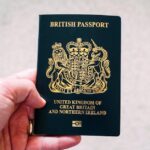
In an increasingly interconnected world, the concept of identity is evolving beyond borders and single affiliations. Dual passports, emblematic of dual nationality, serve as more than just travel documents—they represent a complex tapestry of heritage, opportunity, and legal intricacies. Navigating this multifaceted realm requires an understanding of the benefits and challenges that come with holding allegiance to two nations. This article delves into the world of dual passports, exploring how they shape personal freedom, influence global mobility, and redefine what it means to belong.
Understanding Dual Passports and Their Legal Implications
Possessing dual passports means holding official citizenship documents from two countries simultaneously, a status shaped by complex legal frameworks and international agreements. While this opens doors to remarkable global mobility, it also introduces a delicate balance of obligations and rights. Understanding how each country’s laws interact is crucial—for instance, some nations enforce mandatory military service or impose tax responsibilities regardless of residency, while others strictly prohibit dual citizenship altogether.
When navigating this territory, several key legal considerations come into play:
- Compliance with both countries’ laws: Ensuring you meet the legal requirements of each nation to avoid penalties.
- Travel freedoms and restrictions: Recognizing that some passports offer visa-free access to certain countries, whereas others might restrict certain travels.
- Civic duties: Including voting rights and potential conscription, which may vary significantly between jurisdictions.
- Taxation and financial reporting: Being aware of double taxation treaties or reporting obligations to avoid legal pitfalls.
| Country | Dual Citizenship Allowed? | Notable Legal Implication |
|---|---|---|
| Canada | Yes | Allows dual citizenship freely |
| Germany | Limited | Requires special permission in most cases |
| Japan | No | Citizens must renounce other nationality by age 22 |
| Brazil | Yes | Dual citizenship granted without restrictions |

Benefits and Challenges of Holding Multiple Nationalities
Holding multiple nationalities can open a world of opportunities, offering individuals unparalleled freedom and flexibility. With dual passports, travelers often enjoy visa-free access to numerous countries, simplifying business and leisure trips. It can also mean increased economic advantages, such as the ability to work, study, or invest in different nations without restrictions. Access to social services, healthcare, and education in more than one country further enhances quality of life and global mobility.
However, the privileges come with their own set of complexities. Individuals may face tax obligations in multiple jurisdictions, which require diligent financial planning. Legal responsibilities, such as mandatory military service or conflicting laws between countries, must be navigated carefully. Additionally, balancing cultural identities and staying informed about each country’s evolving policies can sometimes create personal and administrative challenges.
- Benefits: Expanded travel freedom, cross-border work opportunities, diverse educational access
- Challenges: Complex taxation, legal obligations, identity balancing
How to Apply for a Second Passport: Step-by-Step Guidance
Obtaining a second passport can open doors to new opportunities, whether for travel, business, or personal security. Start by researching countries that offer dual citizenship and understand their specific requirements. Typically, you’ll need to provide proof of residency, descent, or investment, and undergo a thorough background check. Prepare all essential documents, such as birth certificates, marriage licenses, and proof of income, to streamline the application process. Consulting with immigration experts or legal advisors can save time and help avoid common pitfalls.
Once you have your paperwork in order, submit your application through the relevant embassy or consulate. Processing times vary widely, so patience is key. Keep track of your application status through official channels to stay informed. Below is a simple checklist to guide your preparation:
- Identify countries with suitable dual citizenship policies
- Gather required personal and legal documents
- Consult with an immigration lawyer or expert
- Submit application to embassy or consulate
- Monitor application status regularly
Navigating Travel and Residency Rights with Dual Citizenship
Holding dual citizenship often feels like having a passport with a built-in key to multiple worlds, but understanding how to effectively navigate travel and residency rights involves more than just packing bags. While dual nationality can simplify crossing borders and securing longer stays, each country’s rules on visa-free access and residency differ greatly. For instance, some countries automatically grant dual citizens the same rights as nationals, allowing for unrestricted work and residence, while others impose permit applications or residency thresholds that need careful planning.
When considering your rights, focus on these critical points:
- Recognition of Dual Citizenship: Not all countries recognize dual nationality, which could affect your residency status.
- Travel Freedom: The strength of each passport may vary, impacting the ease of entry to other countries.
- Residency Requirements: Look into minimum stay durations and documentation needed to maintain residency rights.
| Country | Dual Citizenship Policy | Residency Rights Detail |
|---|---|---|
| Canada | Fully Recognized | Unrestricted work and residency privileges |
| Japan | Limited Recognition | Must choose one citizenship by age 22 |
| Germany | Conditional | Requires permission to hold multiple citizenships |
Expert Tips for Managing Taxes and Obligations Across Countries
Managing taxes and legal obligations while holding dual citizenship requires a strategic approach and a deep understanding of each country’s regulations. Start by identifying the tax residency rules in both countries, as these determine where you owe taxes. Many dual nationals face complexities with worldwide income declarations, so it’s essential to leverage any available tax treaties designed to prevent double taxation. Keeping meticulous records of income sources, dates of stay, and financial activities in each jurisdiction empowers you to navigate audits or inquiries with confidence.
Creating a clear financial map can simplify your obligations. Consider the following foundational steps:
- Consult multinational tax experts to gain professional insights tailored to your specific citizenship combinations.
- Track deadlines rigorously for filing and paying taxes in all countries involved.
- Utilize digital tools to automate notifications for tax obligations and currency conversions.
- Understand social security contributions and their impact on eligibility for benefits in either country.
| Country | Tax Residency Rule | Common Obligation |
|---|---|---|
| Country A | 183 days presence | Global income declaration |
| Country B | Domicile based | Annual social security payments |
Key Takeaways
In the intricate dance of borders and identities, dual passports offer a unique rhythm—a passport to opportunity, complexity, and connection. Navigating the world of dual nationality is no simple step; it requires awareness, understanding, and careful consideration of the privileges and responsibilities intertwined with crossing these legal and cultural thresholds. As the world grows increasingly interconnected, dual citizenship stands as both a bridge and a boundary, inviting individuals to explore the mosaic of their heritage while engaging with the broader global community. Whether as symbols of freedom, keys to new horizons, or reminders of intricate loyalties, dual passports continue to shape the journeys of those who hold them—charting maps not just of countries, but of identity itself.