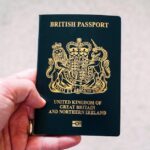
In an increasingly interconnected world, where borders often shape identity as much as geography, the concept of holding not one but two passports has become a powerful symbol of freedom and opportunity. Dual passports offer more than just additional stamps on a traveler’s sleeve—they represent a key to unlocking new realms of possibility, whether in business, lifestyle, or cultural exploration. This article delves into the intriguing world of dual citizenship, examining how it dissolves barriers, expands horizons, and redefines what it means to be a global citizen in the 21st century.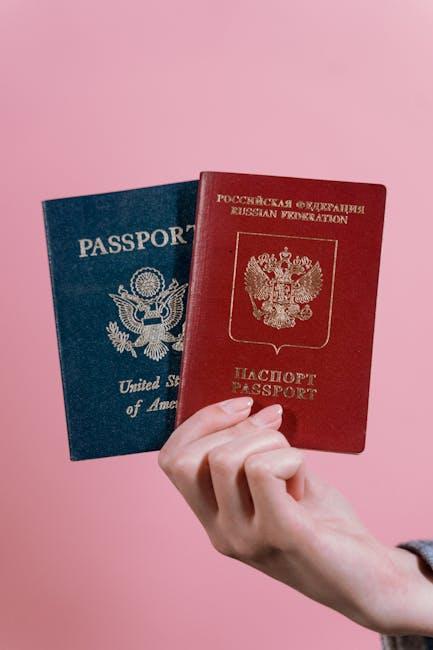
The Advantages of Holding Dual Passports for Travelers
Holding dual passports essentially acts as a golden key, opening doors that might otherwise remain closed to individual travelers. With two passports, you gain access to a wider array of countries without the hassle of complex visa processes. This freedom can translate into spontaneous travel plans or extended stays, taking advantage of visa-free or visa-on-arrival privileges that vary between countries. Moreover, dual citizenship often provides the opportunity to work, study, and live abroad with fewer restrictions, enhancing both personal and professional experiences across borders.
Beyond convenience, there are strategic advantages that dual passports offer:
- Access to multiple healthcare and social security systems
- Flexibility in tax planning and financial management
- Enhanced safety net in times of political or economic instability
- Ability to establish diverse business ventures globally
| Benefit | Impact | Example |
|---|---|---|
| Visa-Free Travel | Expedited entry | Japan & European Union |
| Legal Work Status | Employment opportunities | USA & Canada |
| Dual Voting Rights | Political participation | Australia & New Zealand |
Navigating Legal Considerations and Citizenship Requirements
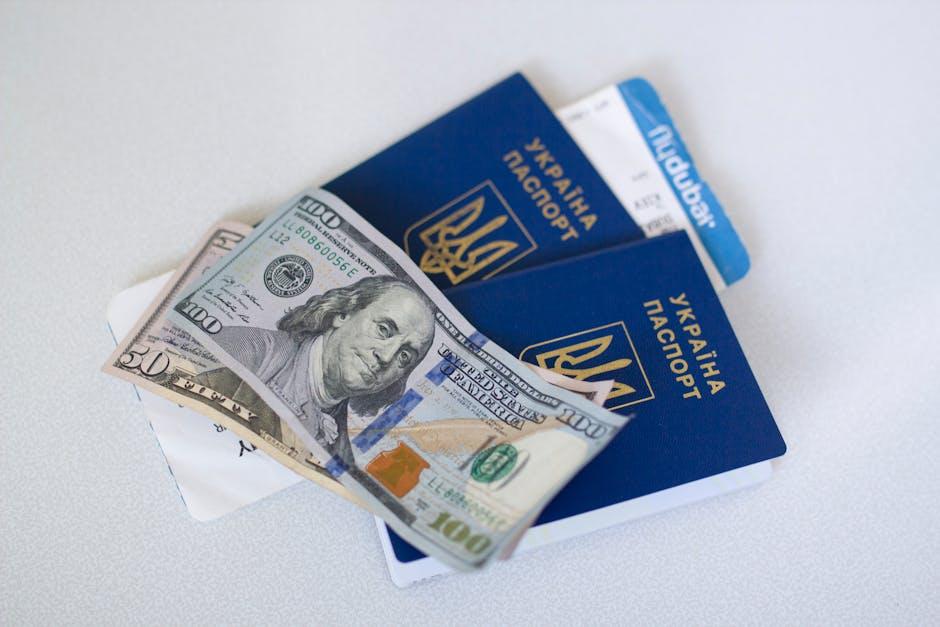
Obtaining a second passport involves more than just filling out paperwork; it demands a thorough understanding of complex legal frameworks and citizenship requirements that differ from country to country. Prospective applicants must navigate various eligibility criteria, such as residency periods, investment thresholds, or ancestral connections, which can significantly impact the application timeline and success. Additionally, compliance with international laws, including those related to dual citizenship and renunciation policies, ensures that holders do not inadvertently violate regulations that could lead to loss of citizenship or legal penalties. Being well-versed in these legal nuances is essential to fully leveraging the benefits of holding multiple passports while maintaining lawful status in all relevant nations.
Consider the following key factors when exploring dual citizenship opportunities:
- Residency Requirements: Some countries mandate a minimum number of years living within the territory before allowing citizenship applications.
- Documentation and Verification: Proof of lineage, background checks, and financial disclosures are commonly required to verify eligibility and good moral standing.
- Twin Citizenship Restrictions: Certain nations prohibit or restrict dual citizenship, necessitating thorough consultation before applying.
- Tax Implications: Multiple passports can complicate tax obligations, requiring professional guidance to avoid unintended liabilities.
| Country | Eligibility Path | Processing Time | Dual Citizenship Allowed? |
|---|---|---|---|
| Portugal | 5 years residency or ancestry | 6-12 months | Yes |
| Dominica | Investment | 3-4 months | Yes |
| Japan | Naturalization after 5 years | 1-2 years | No |
| Canada | 3 years residency | 12 months | Yes |
Maximizing Economic Opportunities Through Global Mobility
In an interconnected world, having dual passports is more than a privilege; it’s a strategic asset that transforms how individuals interact with global economies. By holding citizenship in two countries, professionals gain unparalleled access to multiple markets, facilitating smoother international business ventures and investment opportunities. It empowers entrepreneurs to navigate varying regulatory landscapes, leverage tax advantages, and cultivate a broader network of partnerships. The ability to move freely between economic hubs fosters innovation and responsiveness, essential components for thriving in today’s fast-evolving marketplace.
Consider the tangible advantages a dual passport holder enjoys:
- Visa-free travel: Access to a larger number of countries without lengthy visa processes.
- Work and reside freely: Expanded labor markets in both countries without additional permits.
- Education and healthcare benefits: Eligibility for social services in multiple nations.
- Tax optimization: Opportunities to legally minimize tax liabilities through diverse jurisdictions.
| Economic Benefit | Impact | Example |
|---|---|---|
| Market Diversification | Access to different consumer bases | Expanding business in EU and Asia |
| Tax Efficiency | Reduced overall tax burden | Using favorable taxation treaties |
| Travel Facilitation | Decrease in visa delays | Seamless attendance at global conferences |
Strategies for Choosing the Right Second Passport
When considering a second passport, it’s essential to evaluate more than just visa-free travel options. Think about the lifestyle benefits your new nationality can offer, such as healthcare quality, political stability, or educational opportunities for your family. Additionally, research the citizenship acquisition process—some countries offer fast-track programs through investment, while others require years of residency or ancestral proof. Balancing your personal priorities against these practical considerations can make all the difference in the long run.
Another strategy is to analyze economic and tax implications. For instance, some passports open doors to favorable business environments or tax advantages that could benefit entrepreneurs and investors. Compatibility with your current citizenship’s legal framework is also crucial to avoid complications with dual status. Here’s a quick comparison for insight:
| Country | Processing Time | Visa-Free Access | Tax Benefits |
|---|---|---|---|
| Portugal | 6 Months | 186 Countries | Non-Habitual Resident |
| Dominica | 3 Months | 140 Countries | No Worldwide Tax |
| Canada | 1 Year | 185 Countries | Moderate |
- Assess family and personal long-term goals
- Examine geopolitical stability
- Consider lifestyle and cultural integration
Maintaining Compliance and Security in Dual Citizenship Practices
Navigating the landscape of dual citizenship requires vigilant adherence to the legal frameworks and security protocols of not just one, but two nations. Individuals must stay informed about evolving immigration laws, taxation obligations, and identity verification measures to avoid pitfalls such as unintended renunciations or conflicts of allegiance. Prioritizing transparency with respective governments and consulting with legal experts can mitigate risks associated with non-compliance and help in maintaining the privileges attached to holding multiple passports.
Ensuring security in dual citizenship involves more than just paperwork; it demands a proactive mindset towards safeguarding personal data and travel documentation. Consider implementing these best practices:
- Regularly update passport information and check for alerts on entry requirements or restrictions.
- Secure travel documents using encrypted digital storage and avoid sharing sensitive details on social platforms.
- Understand cross-border data sharing policies to prevent inadvertent breaches of privacy.
| Compliance Aspect | Best Practices |
|---|---|
| Legal Documentation | Keep all visa and citizenship documents current and accessible. |
| Tax Obligations | Coordinate with tax professionals to avoid double taxation. |
| Identity Verification | Use secure methods to confirm identity when crossing borders. |
To Conclude
In a world that’s increasingly interconnected yet often divided by invisible lines, dual passports stand as more than just travel documents—they are keys to new possibilities. They unlock borders, offering a passport not only to different countries but to expanded opportunities, cultural exchange, and a freer way of navigating life’s complexities. As global citizens continue to seek greater flexibility and freedom, the dual passport symbolizes a bridge across boundaries, reminding us that identity can be as fluid and expansive as the world itself. In embracing this duality, we open doors—not just to new lands, but to new ways of thinking about belonging and freedom.