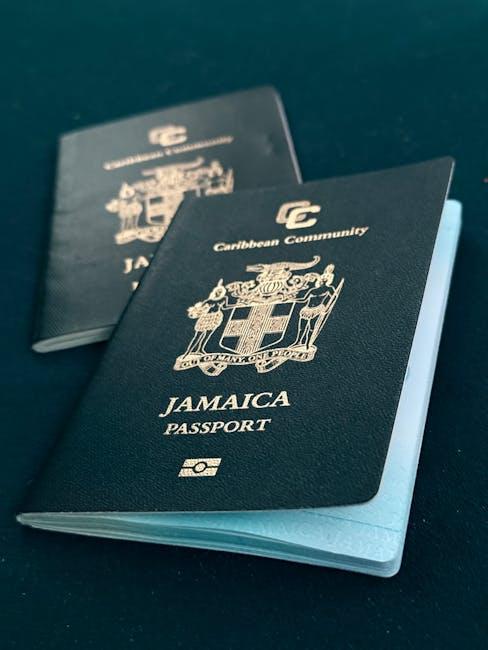
In a world where borders are both bridges and barriers, the concept of dual passports emerges as a powerful symbol of freedom and flexibility. More than mere travel documents, dual passports offer a unique gateway to global mobility, unlocking opportunities that transcend geographical and political boundaries. As globalization weaves our lives ever more tightly together, having more than one nationality can redefine identity itself—blending heritage, opportunity, and belonging in a single, remarkably practical form. This article explores the evolving landscape of dual citizenship, examining how holding two passports can reshape personal freedom, economic prospects, and cultural connection in the 21st century.
Benefits of Holding Dual Passports in Today’s Globalized World
Global freedom becomes a tangible reality when holding dual passports. Traveling across borders is simplified, with fewer visa restrictions and more entry points available, making spontaneous trips or business ventures seamless. Additionally, dual citizenship often allows individuals to tap into varied employment opportunities, access superior healthcare systems, and benefit from diverse educational resources worldwide. These passports essentially serve as keys to unlocking multiple national privileges without relinquishing your original nationality.
The security and flexibility gained extend beyond travel. Dual passport holders enjoy enhanced protection during political unrest or economic instability in one country, providing a valuable escape route. Moreover, there are often significant financial benefits, including tax optimization options and estate planning advantages. Below is a simple comparison of key perks for dual passport holders versus single passport holders:
| Feature | Single Passport | Dual Passports |
|---|---|---|
| Visa-Free Travel | Limited to one country’s agreements | Broad, accessing multiple countries |
| Work Opportunities | Restricted to one labor market | Expanded to multiple labor markets |
| Political Security | Single country risk | Alternative safe haven available |
| Tax Planning | Less flexibility | Greater options for optimization |
Navigating Legal and Tax Implications with Dual Citizenship
Holding two passports opens doors, but it also introduces a web of legal and tax considerations that require careful attention. Each country has its own unique rules regarding citizenship rights, obligations, and potential restrictions. For instance, some nations require mandatory military service, while others may limit political participation for dual citizens. Navigating this landscape means staying informed about each country’s legal nuances to avoid conflicts such as double taxation, compulsory declarations, or travel restrictions that might complicate your global mobility.
When it comes to taxes, dual citizenship can transform your financial obligations into a complex puzzle. It’s essential to understand the tax treaties, reporting standards, and residency rules connecting your countries of citizenship. Failure to comply might lead to penalties or unexpected tax liabilities. A practical way to manage this is by maintaining clear records and consulting with tax experts familiar with international cross-border laws. The table below highlights some common tax implications for dual citizens:
| Country | Tax Filing Requirement | Notable Consideration |
|---|---|---|
| USA | Annual worldwide income report | Citizen-based taxation |
| Canada | Tax on resident income only | Residency-based taxation |
| Australia | Tax for residents and certain non-residents | Exit tax on some assets |
- Keep meticulous records of international earnings and tax payments.
- Review bilateral tax treaties to leverage exemptions and avoid double taxation.
- Stay updated on citizenship laws in both countries, as policies may evolve.
Strategies for Choosing the Right Second Passport for Your Needs
Determining which second passport aligns best with your lifestyle and aspirations demands a clear understanding of your priorities. Begin by assessing the legal benefits offered—such as visa-free travel options, tax advantages, and ease of family inclusion. Some countries offer passports that unlock extensive global mobility, spanning multiple continents, while others might emphasize fiscal policies favorable to entrepreneurs. Equally important are factors like the application process duration, investment or residency requirements, and cultural compatibility to ensure you feel truly at home with your new nationality.
To streamline your decision, consider the following focal points:
- Travel Freedom: Does the passport grant access to key business or leisure destinations without a visa?
- Tax Implications: Assess how the second citizenship impacts your global tax responsibilities.
- Application Process: Evaluate the complexity, timeframe, and costs involved.
- Security and Stability: Look into the country’s political climate and legal protections for citizens.
- Family Inclusion: Determine eligibility for dependents to obtain citizenship concurrently.
| Criteria | Key Questions to Ask | Impact |
|---|---|---|
| Visa Access | Which countries can I enter visa-free? | Defines travel ease and business opportunities |
| Taxation | Will this passport reduce or complicate tax filings? | Affects overall wealth management |
| Processing Time | How long does the citizenship acquisition take? | Matches urgency and planning requirements |
| Residency Requirements | Is physical stay mandatory? | Influences lifestyle flexibility |
How Dual Passports Enhance Personal Security and Emergency Access
Dual passports serve as a vital shield in unpredictable situations, enhancing your personal security on multiple fronts. They provide a crucial fallback option if one passport is lost, stolen, or compromised—minimizing travel disruption and the stress associated with emergencies abroad. Travelers can bypass potential visa restrictions or political barriers by leveraging the flexibility of either nationality, ensuring swift exit or access to safe havens when facing geopolitical tensions or civil unrest.
In emergency scenarios like natural disasters or sudden conflicts, having two passports streamlines access to multiple consular services and evacuation routes. This multifaceted protection is often life-saving, especially when one country’s embassy might be closed or facing operational challenges. The dual-passport advantage extends to unhindered re-entry, faster immigration processing, and redundant options for official documentation—offering peace of mind that transcends borders.
- Backup identity verification in case of loss or theft
- Access to multiple consular aid networks worldwide
- Reduced risk of travel bans during diplomatic disputes
- Quicker evacuation routes during crises
| Scenario | Benefit of Dual Passports |
|---|---|
| Lost/Stolen Passport | Immediate alternative travel document |
| Exit Ban from Country | Second nationality provides exit access |
| Natural Disaster | Faster consular evacuation support |
| Political Instability | Reduced risk of detention or denial |
Practical Tips for Managing Multiple National Identities Seamlessly
When juggling multiple national identities, organization becomes your secret weapon. Create a dedicated folder—either digital or physical—where you keep all your passports, national ID cards, visa documents, and related paperwork. Use clear labels and backups, such as cloud storage encrypted with strong passwords, so you can swiftly access essential documents no matter where you are. This systematic approach not only saves time during travel but also helps avoid the stress of last-minute document hunts, ensuring a smooth transition between different nationalities.
Understanding the legal nuances tied to each citizenship is equally vital. Some countries require regular renewals, tax declarations, or military service obligations, and staying informed can prevent legal pitfalls. Make use of personalized checklists for each nationality to track deadlines and obligations. Here’s a quick guide to managing key responsibilities:
| Responsibility | Frequency | Tip |
|---|---|---|
| Passport Renewal | Every 5-10 years | Set reminders 6 months before expiry |
| Tax Filings | Annually | Consult an international tax advisor |
| National ID Updates | As required | Check local regulations regularly |
Key Takeaways
In a world that grows increasingly interconnected yet complex, dual passports stand as powerful keys—unlocking doors to new opportunities, diverse cultures, and expanded horizons. They embody more than just travel convenience; they represent a dynamic fusion of identity and mobility, where borders blur and possibilities multiply. As we navigate the future of global citizenship, understanding the nuances and responsibilities that come with dual nationality will be essential. Ultimately, dual passports are more than documents—they are gateways to a broader, more inclusive world.