In an increasingly interconnected world, the concept of identity is no longer confined within the borders of a single nation. Dual citizenship, once a rarity, has emerged as a nuanced reality for millions, weaving together legal, cultural, and personal threads into a complex tapestry of belonging. This phenomenon—where one individual holds allegiance to two countries simultaneously—introduces a fascinating interplay of rights, responsibilities, and loyalties. “Dual Paths: Exploring the Dynamics of Joint Citizenship” delves into the multifaceted landscape of this modern identity, examining its implications for individuals and societies alike. Through legal frameworks, personal narratives, and geopolitical contexts, we unravel how dual citizenship reshapes notions of nationality and what it means to be a global citizen in the 21st century.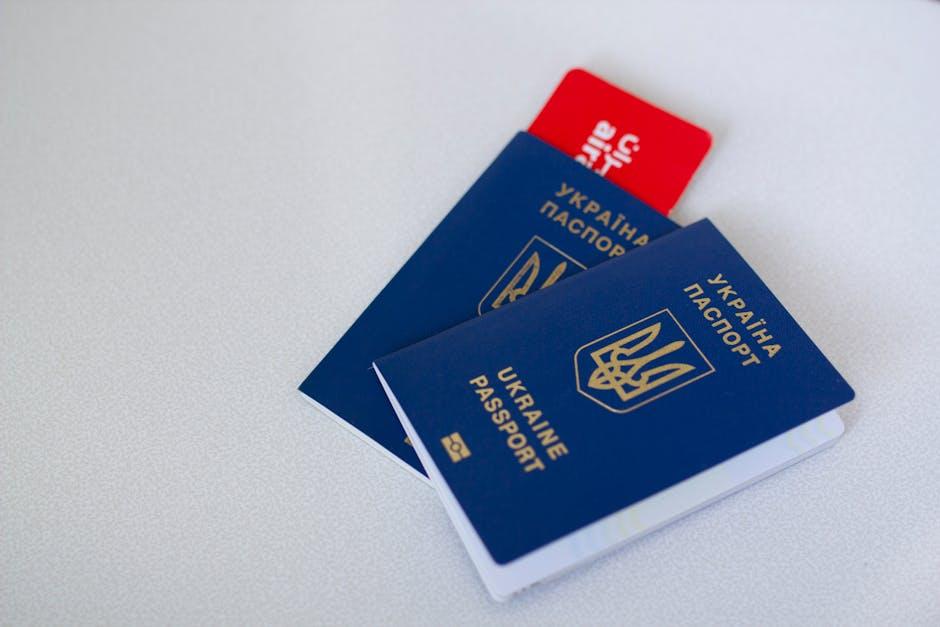
Dual Paths Intersection of Identity and Belonging
In the delicate dance of dual citizenship, individuals navigate the intertwining threads of identity and belonging, forging a unique space that blends cultural narratives and personal histories. This intersection creates a fertile ground for enriching experiences, where belonging is not confined to one nation but expanded across borders. The coexistence of multiple identities challenges conventional notions of nationality, inviting a more fluid understanding that embraces plurality and hybrid belonging.
Embracing these shared paths demands:
- Acknowledgment of the complexities and contradictions inherent in dual allegiances
- Celebration of the multicultural dimensions shaping modern citizenship
- A commitment to fostering inclusive communities that honor diverse backgrounds
| Identity Element | Dual Citizenship Impact |
|---|---|
| Cultural Affiliation | Broadens cultural repertoire and practices |
| Legal Rights | Diverse legal protections and obligations |
| Sense of Belonging | Fosters dual allegiance and hybrid community ties |
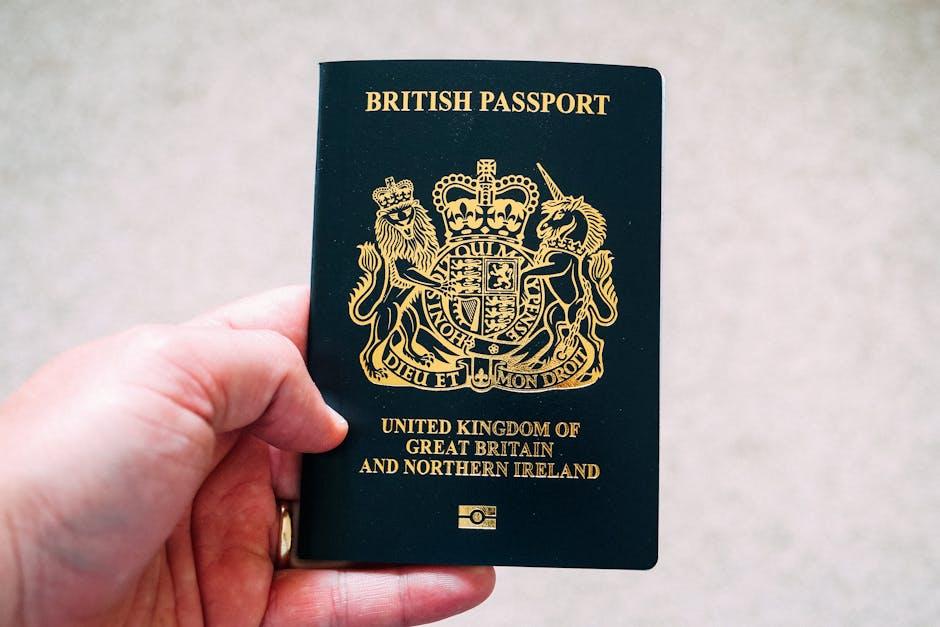
Navigating Legal Complexities and Rights Across Borders
Embarking on the journey of dual citizenship unveils a mosaic of legal nuances that require careful navigation. Individuals holding joint citizenship must often reconcile differing laws and regulations that govern rights, responsibilities, and identity documentation in each country. For instance, taxation rules can vary dramatically between nations, often leading to complexities in filing requirements and financial obligations. It’s essential to understand these disparities to avoid legal pitfalls and safeguard one’s assets and freedoms.
In addition to financial considerations, rights related to property ownership, social benefits, and even military service can differ significantly. When managing these multifaceted obligations, the following points serve as critical reminders:
- Stay informed about each country’s legal requirements and diplomatic relations.
- Consult specialists such as immigration lawyers or tax advisors who understand dual citizenship intricacies.
- Maintain updated documentation to ensure seamless travel and institutional processes.
| Aspect | Country A | Country B |
|---|---|---|
| Tax Filing Deadline | April 15 | November 30 |
| Military Service | Compulsory | Voluntary |
| Property Ownership | Permitted for Citizens | Restrictions Apply |
Cultural Enrichment Through Dual Heritage
Experiencing life through the lens of two cultures offers a rich tapestry of traditions, languages, and values that enhance personal identity. Individuals who hold joint citizenship often enjoy unique opportunities for cultural celebration and exchange, fostering a deeper appreciation for diversity in their daily lives. This fluid blending of customs encourages adaptability and open-mindedness, traits invaluable in our increasingly globalized world.
The benefits extend beyond personal growth; dual heritage cultivates social bridges and a broader worldview. Common expressions might include:
- Fluency in multiple languages, opening doors to diverse communities.
- Celebrating a wider range of holidays with family and friends.
- Access to varied culinary traditions, enriching the palate and social gatherings.
Below is a simple comparison showcasing how cultural elements interplay in joint citizenship contexts:
| Cultural Elements | Heritage A | Heritage B |
|---|---|---|
| Festivals | Spring Flower Festival | Harvest Lantern Celebration |
| Traditional Dress | Silk Kimono | Embroidered Tunic |
| Cuisine | Sushi & Miso Soup | Spiced Tagine |
Challenges and Opportunities in Global Mobility
As global mobility continues to expand, individuals holding dual citizenship find themselves navigating an intricate web of legal frameworks, cultural integration, and identity negotiation. Challenges arise around taxation complexities, voting rights, and conflicting national obligations, which can sometimes place dual citizens in demanding situations. Multinational corporations and policymakers alike grapple with these issues, seeking ways to harmonize regulations without undermining the benefits that joint citizenship offers, such as increased access to opportunities and stronger diplomatic ties.
On the flip side, the dual citizenship phenomenon presents a fascinating array of opportunities:
- Enhanced global workforce mobility, allowing talent to move more freely across borders
- Broader educational and career prospects unlocked by multiple national affiliations
- Rich cultural exchanges fostering cosmopolitan identities and mutual understanding
- Economic advantages that arise from bridging markets and facilitating international trade
Consider this comparative overview of key elements influencing global mobility:
| Aspect | Challenge | Opportunity |
|---|---|---|
| Legal Rights | Conflicting citizenship laws | Multijurisdictional protections |
| Taxation | Double tax burdens | Tax treaties and exemptions |
| Travel | Visa restrictions variances | Increased passport power |
| Cultural Identity | Sense of divided loyalty | Broadened cultural perspective |
Strategies for Maximizing Benefits of Joint Citizenship
Embracing joint citizenship opens a realm of unique opportunities that can be harnessed with thoughtful approaches. To truly benefit from holding dual nationality, it’s crucial to navigate each country’s systems with awareness and precision. Stay informed about the legal obligations in both nations—such as tax regulations, voting rights, and military service—ensuring compliance without missing out on privileges. Complement this by cultivating personal and professional networks that span borders, enhancing cross-cultural connections that boost career prospects and social engagement alike.
Strategic planning also involves practical habits that optimize everyday life. Consider creating a checklist of essential documents needed for travel, residency, or employment in each country, so you’re always prepared. The table below summarizes key areas to focus on when managing dual citizenship:
| Focus Area | Action Steps | Benefits |
|---|---|---|
| Legal Compliance | Regularly review legal updates in both countries | Avoid penalties & maintain rights |
| International Mobility | Use dual passports strategically for visas | Easier travel and business access |
| Financial Planning | Manage taxes and banking in both jurisdictions | Maximize savings and investment potential |
| Cultural Integration | Engage with community events and traditions | Stronger identity and social support |
- Leverage educational opportunities in both countries for lifelong learning.
- Maintain clear communication with consulates for timely support.
- Be proactive in understanding each country’s rights and responsibilities to build a harmonious dual life.
Final Thoughts
In navigating the intricate landscape of dual citizenship, we uncover not just legal definitions, but the evolving narratives of identity, belonging, and opportunity. As borders blur and global connections deepen, the dynamics of joint citizenship invite us to rethink what it means to belong to more than one place at once. Whether as a bridge between cultures or a practical advantage in an interconnected world, dual citizenship is a testament to the fluidity of modern identity—a dual path that challenges tradition and embraces complexity. The journey of exploring these dynamics is far from over; it continues to shape how individuals and nations redefine citizenship in the years to come.