
In a world where borders blend with opportunity, the dream of owning a home abroad often blossoms into something far more transformative-a new chapter as a citizen of another land. “From Dream Home to New Homeland: Navigating the Challenges and Triumphs of Citizenship Through Property Investment” explores this unique journey, where bricks and mortar become more than just shelter. They serve as gateways to fresh identities, cultures, and possibilities. This article delves into the intricate path investors walk, balancing legal complexities and emotional shifts, to turn a real estate acquisition into a profound personal evolution. Whether motivated by security, freedom, or a fresh start, those seeking citizenship through property investment encounter both hurdles and hopes-and it is in navigating this terrain that dreams find their footing and new homelands come to life.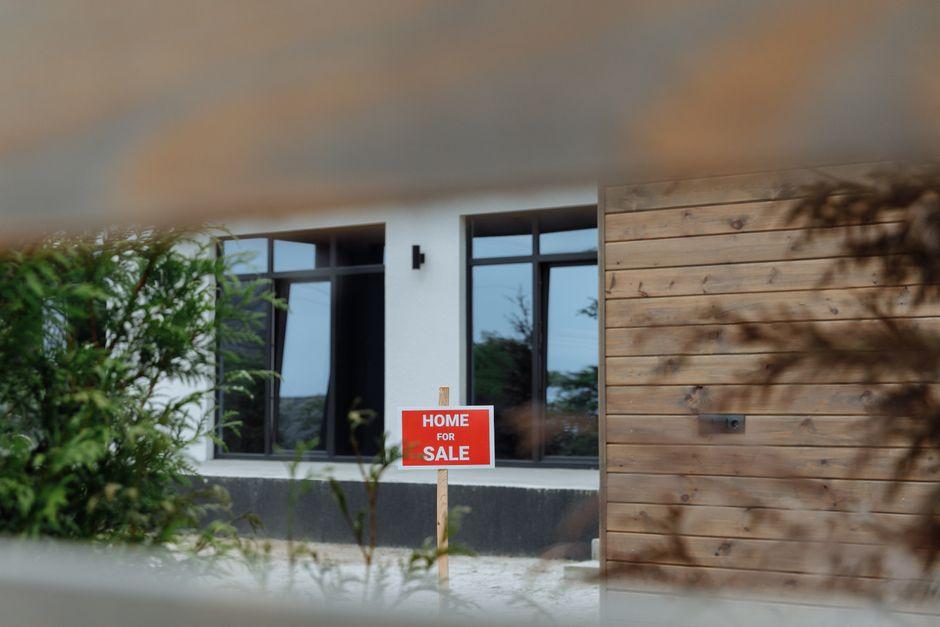
Mapping the Emotional Landscape of Buying a Home Abroad
- The thrill of possibility can quickly blend with unexpected realities. Take Mark and Elisa, who bought a charming villa on the Algarve coast, enchanted by the promise of sun and serene beaches. Their initial excitement was soon tempered by the slow pace of local bureaucracy and language hurdles when securing permits and utilities. Such moments illuminate a fundamental truth: acquiring property abroad is as much an emotional journey as a financial one. This mix of anticipation, anxiety, and occasional frustration isn’t a sign of failure but an inherent part of transforming a dream into a tangible home.
- Every decision point carves new emotional terrain. For instance, choosing between a ready-to-move-in apartment or a fixer-upper renovation project invites contrasting emotional experiences-certainty versus risk, immediate satisfaction versus long-term vision. Ana, who opted for the renovation, recounts how seeing dust and disrepair initially spiraled into doubt but ultimately deepened her connection to the property as she molded it to her family’s needs. These narratives remind us that beyond transactions and paperwork, buying property abroad is about navigating the complex interplay of hopes, fears, and resilience that shape one’s sense of belonging.

Unpacking the Legal Maze of Citizenship by Investment
When Mark and Elena first explored the idea of citizenship by investment through property, they imagined a straightforward process: buy, apply, and soon hold a new passport. However, the reality quickly highlighted the legal intricacies embedded within each country’s program. For one, the definition of “qualifying property” varied significantly-while some jurisdictions accepted newly built apartments, others demanded investment in state-approved developments or minimum price thresholds that could shift with inflation or policy changes. Mark’s initial plan nearly collapsed when he learned his preferred villa was just below the eligibility threshold, forcing a painful decision: top up his investment or look elsewhere. This early hurdle reflects a common theme-expecting a simple real estate transaction but encountering a complex regulatory framework that requires detailed due diligence.
One of the stark lessons Elena took away was the importance of understanding ongoing compliance requirements alongside the initial investment. Citizenship is rarely granted immediately upon purchase; many programs impose waiting periods and demand proof of residence, periodic renewals, or even mandatory inspections. For example, when a friend attempted a similar route in another country, the absence of clear guidelines on maintaining property led to unexpected tax complications and a delayed citizenship approval. Below is a simplified breakdown of typical legal checkpoints they faced:
| Legal Step | Common Challenges | Real-Life Considerations |
|---|---|---|
| Property Eligibility | Restrictions on type, price, or age of property | Research local lists of approved developments carefully |
| Application Process | Lengthy documentation and background checks | Prepare early, ensure full transparency |
| Residency & Maintenance | Minimum stay requirements, property upkeep rules | Plan visits and financial commitments accordingly |
| Tax & Legal Obligations | Unexpected liabilities from property ownership and citizenship | Consult with tax advisors to avoid surprises |
- Pro Tip: Engage with legal experts familiar with local citizenship programs before finalizing any purchase to avoid costly missteps.
- Real Impact: Flexibility and patience become allies as applicants learn to navigate shifting legal landscapes and administrative nuances.
Stories of Resilience and Adaptation from Newcomer Communities
- Maria and Ahmed’s Journey: When Maria, a teacher from Colombia, and Ahmed, an engineer from Egypt, decided to invest in property as a pathway to citizenship abroad, they anticipated a straightforward process. However, their initial enthusiasm was met with language barriers and unfamiliar legal complexities that slowed their progress. At one decision point, they faced the choice of purchasing a fixer-upper property versus a ready-to-move-in apartment. Opting for the former, they navigated unforeseen renovation costs and regulatory approvals that tested their resilience. Through patience and community support, they not only secured citizenship but also transformed the property into a thriving rental business, illustrating the power of perseverance and strategic adaptation.
- The Lee Family’s Adaptation: The Lees, a family from South Korea, envisioned their new home as a sanctuary and a launchpad for economic stability. Initially, their investment was rooted in expectations of quick market appreciation and streamlined citizenship procedures. Reality, however, presented fluctuating property markets and bureaucratic delays in residency permits. Learning from these early setbacks, they diversified their investment approach, leveraging local networks to better understand regional nuances. This adaptability enabled them to successfully integrate, ultimately achieving citizenship while building meaningful relationships within their community. The Lees’ experience highlights that flexibility and a long-term perspective often bridge the gap between hope and outcome.
Finding Balance between Financial Goals and Cultural Integration
When Amir and Sofia decided to invest in a coastal property abroad as a pathway to citizenship, their focus was initially squarely on the financial returns. They meticulously researched market trends, predicted rental yields, and planned for potential resale value. However, once settled, they realized that securing a home was only half the equation. Their greater challenge was weaving themselves into the fabric of a new culture-navigating language barriers, local customs, and community expectations. This revealed a crucial tension many investors face: prioritizing immediate financial gains can sometimes overshadow the slower, less tangible process of cultural integration, which is equally vital for long-term success and personal fulfillment. They found that embracing local traditions, attending community events, and even learning the language not only enriched their experience but also enhanced the value of their investment by building a trustworthy network and smoother local interactions.
For those walking a similar path, here are key lessons and decision points to keep in mind:
- Financial diligence vs. cultural immersion: A balanced approach means allocating time and resources to both research and relationship-building.
- Expect delays and adjustments: While property acquisition can be planned with timelines, integration unfolds organically and requires patience.
- Leverage local expertise: Partnering with local agents, lawyers, and community figures can bridge gaps in understanding and facilitate smoother adaptation.
| Expectation | Reality | Lesson Learned |
|---|---|---|
| Quick citizenship through property ownership. | Legal processes took longer; cultural adjustment was more complex. | Plan for extended timelines and invest in local community involvement. |
| Financial return as primary success metric. | Community ties often unlocked better long-term benefits and unexpected opportunities. | Value personal relationships as much as profitability. |
Turning Property Ownership into a Lasting Sense of Belonging
When Maria first purchased her apartment in Lisbon, she imagined it as a mere asset-an entry ticket to her new citizenship journey. However, she quickly realized that turning property ownership into a genuine sense of belonging demanded far more than paperwork and investment. Initially, the apartment felt foreign and detached, like a well-kept museum piece rather than a home. It wasn’t until she embraced the local culture-frequenting nearby cafés, participating in neighborhood festivals, and learning the Portuguese language-that the walls began to feel less like a shelter and more like a sanctuary. Her story reflects a vital lesson: owning property is just the beginning, but living and breathing in the community transforms an address into a homeland. This step involves intentional integration, where emotional investment accompanies financial commitment, often becoming the hardest yet most rewarding part of this transition.
Contrast this with Ahmed’s experience in Canada, who initially viewed his property solely as an investment vehicle for faster citizenship processing. His journey had fewer emotional highs; he rented out the home and continued his daily life detached from the neighborhood. While his property helped secure legal status, Ahmed missed the chance to forge local relationships that could have eased cultural adaptation and expanded his support network. This divide between expectation and result illustrates the nuanced challenge facing new citizen-investors: property alone does not guarantee belonging. It’s in the day-to-day choices-such as engaging with neighbors, understanding communal norms, and sharing local traditions-that true barriers dissolve. For those navigating the path, these realities encourage a broader perspective beyond financial gain:
- Investment as a catalyst: A property can open doors but requires personal effort to create lasting roots.
- Community engagement: Active participation in local life is essential to transform property into a home.
- Long-term mindset: Viewing citizenship as more than paperwork shifts focus toward cultural and emotional integration.
| Aspect | Maria’s Approach | Ahmed’s Approach |
|---|---|---|
| Initial Expectation | Home + Integration | Investment + Legal Status |
| Community Connection | Active and Intentional | Minimal Interaction |
| Result | Lasting Belonging | Temporary Residency Feel |
Ultimately, the emotional and social integration that accompanies property ownership plays a critical role in actualizing a lasting sense of belonging. New citizens who embrace this broader perspective often find their investment enriched far beyond monetary value-a transformation from dream home into new homeland.
Closing Remarks
As the journey from securing a dream home to embracing a new homeland unfolds, the path of citizenship through property investment reveals a landscape rich with both challenges and triumphs. Each step taken-from navigating complex regulations to celebrating newfound belonging-paints a unique story of aspiration, resilience, and transformation. While the road may be paved with uncertainties, the promise of a fresh start and the stability of home provide a steadfast compass, guiding hopeful investors toward the realization of both personal and civic dreams. In the end, this intersection of real estate and identity is more than a transaction; it’s the crafting of a future, one brick and one promise at a time.




