
In a world where borders often define opportunity, the dream of becoming an American citizen shines brightly for many seeking new beginnings. Yet, this journey-far from a simple passage-unfolds as a complex tapestry woven with both formidable challenges and remarkable rewards. “From Dream to Doorway: Navigating the Challenges and Rewards of American Citizenship by Investment” delves into the intricate process that transforms aspiration into reality. This exploration invites readers to uncover not only the financial and legal pathways but also the deeper narratives that accompany a bold investment in identity and belonging. Whether driven by ambition, security, or the promise of freedom, the road to American citizenship through investment presents a unique saga of perseverance, strategy, and transformation.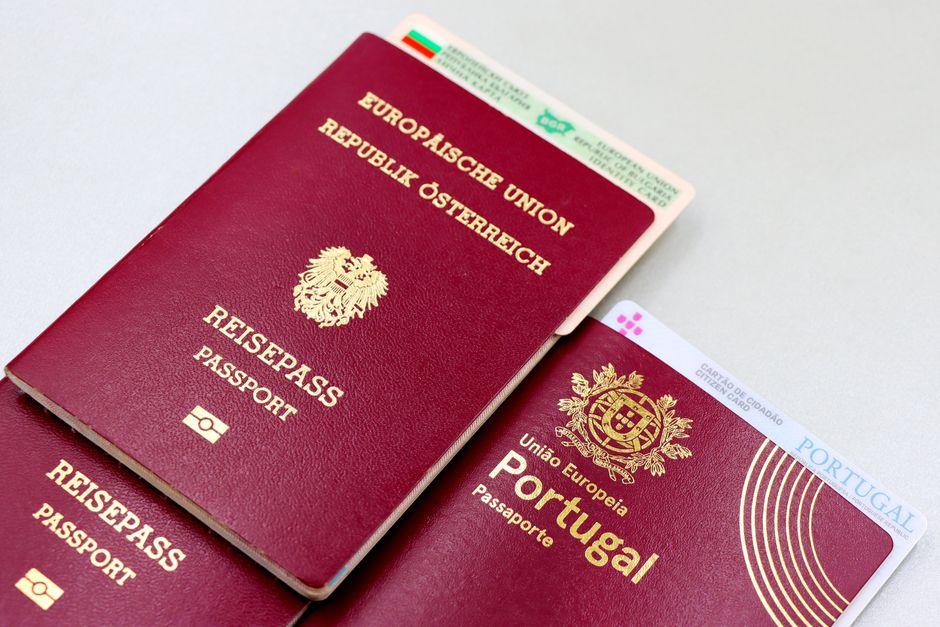
Opening New Horizons Through the Promise of Investment Citizenship
- Blending Ambition with Reality: Consider Sarah, a tech entrepreneur from Brazil who saw American citizenship by investment as a strategic gateway to global markets and educational opportunities for her children. Initially, she imagined a straightforward process-invest, apply, and within months, unlock a new world of possibilities. However, the reality was more nuanced. The pathway demanded patience, thorough due diligence, and an understanding that this wasn’t a shortcut but a meticulously governed process. While the financial commitment was substantial, Sarah realized that the true value lay in the meticulous planning, legal guidance, and preparing her family for cultural transitions. This pragmatic approach turned her aspirations into a sustainable lifestyle change rather than a fleeting status upgrade.
- Lessons in Expectations vs. Outcomes: On the flip side, James, an investor from the UK, expected citizenship by investment to be a quick ticket to enhanced mobility and preferential tax conditions. The initial optimism met unexpected challenges, such as evolving immigration regulations and stringent compliance checks that prolonged his timeline. Yet, through this period, he discovered deeper rewards-access to a robust network of international entrepreneurs, eligibility for specialized educational programs for his children, and an enriched sense of belonging that went beyond passports and portfolios. His experience underscores a critical lesson: investment citizenship is less about immediate gratification and more about opening new horizons that unfold progressively, demanding both patience and adaptability.
| Decision Point | Expectation | Reality | Key Takeaway |
|---|---|---|---|
| Choosing Investment Vehicle | Quick approval through direct investment | Varied timelines; some require extended due diligence | Research thoroughly and choose options aligned with your long-term goals |
| Preparing Family for Transition | Minimal cultural adjustment | Significant adaptation to new societal norms and education systems | Involve family early and invest in cultural integration resources |
| Planning Financial Outflow | One-time cost | Additional legal fees and ongoing compliance expenses | Budget beyond upfront investment for unforeseen costs |

Understanding the Complex Landscape and Unexpected Hurdles
Navigating the path to American citizenship through investment is far from a straightforward blueprint. Take the example of Anna and Mark, a couple from Europe who viewed the process as a fast track to a new life. They anticipated a clear, linear progression: invest the required capital, pass a few checks, and receive citizenship in a predictable timeframe. Yet, reality quickly unfolded with unforeseen delays in administrative processing, nuanced eligibility criteria that required expert legal interpretation, and fluctuating political climates affecting policy enforcement. The couple faced unexpected hurdles, such as proving the lawful source of their funds, which took months longer than expected due to complex international regulations. What they learned midway was a crucial lesson for many in this journey: patience and adaptability are just as important as investment size.
The complexity often lies not just in meeting the financial thresholds but in maneuvering through an evolving regulatory maze. Consider these critical decision points that many applicants encounter:
- Choosing the right type of investment-real estate projects involve different scrutiny levels than direct business development funds.
- Timing of application submission-political shifts or changes in law can accelerate or delay approvals unexpectedly.
- Documenting legal and financial standing-any inconsistencies or gaps can trigger rejections or requests for additional evidence.
| Expectation | Reality |
|---|---|
| Quick processing within 12 months | Sometimes extending 18-24 months due to additional checks |
| Clear-cut financial criteria | Extensive proof and scrutiny of funds’ origin |
| Uniform application process | Varied outcomes depending on state policies and adjudicator discretion |
Turning Points That Define the Journey From Application to Approval
- The Initial Submission and the Weight of Documentation: When Sarah first submitted her application for American citizenship by investment, she anticipated a straightforward checklist process-a thorough yet mechanical verification of her paperwork. However, she quickly learned that every document carried a story and a specific nuance that could shift the outcome. For example, her financial statements required an exact format and origin explanation to satisfy compliance officers, highlighting the importance of precision from the outset. This stage is often where applicants face unexpected delays, as missing or misaligned documents mean extended review times. The lesson? Prepare for detailed scrutiny and verify every document multiple times before submission to avoid avoidable setbacks.
- Interview Milestones and the Emotional Reality: Marcus’ journey epitomizes the emotional highs and lows that define later stages. He expected the citizenship interview to be a formality but found it to be an intense appraisal of character and intent. Beyond mere questions, it was a moment where applicants must convincingly align their personal narratives with the investment’s impact on the community and economy. Differences between expectations and reality can feel stark here-many expect a purely bureaucratic interaction but instead face a session that probes emotional resilience and clarity of purpose. This phase often distinguishes applicants who approach the process with genuine engagement from those who view it as a transactional hurdle, underscoring the value of preparation that balances factual knowledge with sincere storytelling.
| Turning Point | Common Challenge | Key Takeaway |
|---|---|---|
| Application Submission | Incomplete or poorly documented paperwork | Double and triple-check financial and legal documents before submission |
| Citizenship Interview | Underestimating the depth of personal inquiry | Prepare thoughtfully to connect your investment and personal story authentically |
Lessons from Real Stories and Their Lasting Impact
- The Patel Family’s Journey: The Patels, a family of four from India, began their pursuit of American citizenship through investment with high hopes and modest familiarity with the process. Initially, they expected a straightforward path: invest in a government-approved project, submit paperwork, and await a swift approval. However, navigating unexpected regulatory complexities and documentation demands tested their patience. For example, shifting visa policies extended their timeline by nearly six months, prompting them to adapt quickly and engage legal experts. Their experience underscores the importance of flexibility and informed decision-making when external factors evolve. Despite the delays, their eventual success reinforced their belief in the long-term rewards, including enhanced educational opportunities for their children and expanded business networks.
- Contrast in the Rodriguez Case: Juan Rodriguez, an entrepreneur from Colombia, entered the program with a focus on speed-expecting quick citizenship after investment. However, his case highlights how rushing without thorough due diligence can lead to setbacks. His initial choice of project seemed promising but encountered financial scrutiny due to insufficient project transparency, leading to a formal investigation and delay. This contrasted sharply with his anticipation of a smooth transition. The critical lesson here is the value of conducting comprehensive research and prioritizing trustworthiness over merely attractive financial figures. Juan’s story reflects how patience and a strategic, well-informed approach not only safeguard the investment but also secure peace of mind through a smoother citizenship process.
| Case | Expectation | Reality | Key Lesson |
|---|---|---|---|
| Patel Family | Quick, streamlined process | Delayed due to regulatory changes | Adaptability and legal guidance crucial |
| Rodriguez | Speedy approval | Delay due to project scrutiny | Thorough research vital before investment |
Weighing the Tangible Benefits Against the Cost and Commitment
- Maria’s Dilemma: Maria, an entrepreneur from Brazil, dreamed of the American Dream-access to a global market, top-tier education for her children, and stable residency for her family. When she first explored citizenship by investment, she envisioned a straightforward path: invest, obtain a green card, and seamlessly transition to life in the U.S. However, the reality was far from simple. Beyond the hefty financial commitment, she faced rigorous paperwork, long waiting periods, and unexpected legal fees. Maria’s experience underscored a critical lesson-while the program opens doors, it demands persistence, patience, and additional resources that often extend beyond the initial investment.
- Cost Versus Reward: Immigrant investors often wrestle with the balance of tangible returns against intangible gains. While the immediate cost-ranging from $500,000 to $1 million or more-can seem steep, the benefits include more than just residency: potential business expansion, educational opportunities, and sometimes, a smoother path to full citizenship. A practical comparison helps illustrate this:
Cost Components Estimated Expense Tangible Benefit Investment Contribution $500,000 – $1,000,000+ Pathway to residency and eventual citizenship Legal & Processing Fees $20,000 – $50,000 Ensures compliance and successful application Additional Costs (travel, documentation) Variable Completing procedural requirements Conversely, some applicants find that the rewards justify these costs, especially when citizenship leads to improved career prospects or business growth. Yet, others reflect on the emotional toll-the uncertainty, extended timelines, and ongoing commitments-as a trade-off often underestimated at the outset. Clear-eyed assessment, incorporating personal priorities and realistic outcomes, becomes crucial before stepping into this complex journey.
Key Takeaways
As the journey from dream to doorway unfolds, the path to American citizenship by investment reveals itself as a complex tapestry woven with both challenges and rewards. While the road may demand patience, diligence, and careful navigation through legal and financial landscapes, the promise of new opportunities and a place to call home offers profound fulfillment. For those bold enough to embark on this voyage, the keys to a new beginning await-transforming aspirations into the tangible reality of American life. In the end, it is not just an investment in a passport, but an investment in a future shaped by possibility.




