In a world increasingly woven together by threads of technology, culture, and commerce, the humble passport stands as both a symbol and a catalyst of global connection. More than just a booklet of stamps and visas, the passport is a bridge—linking distant lands, diverse peoples, and shared aspirations. As barriers dissolve and borders become more permeable, the story of global passports unfolds as a testament to human mobility, cooperation, and the evolving notion of identity in a connected world. This article explores how passports shape our journeys, not just across countries, but toward a more interconnected future.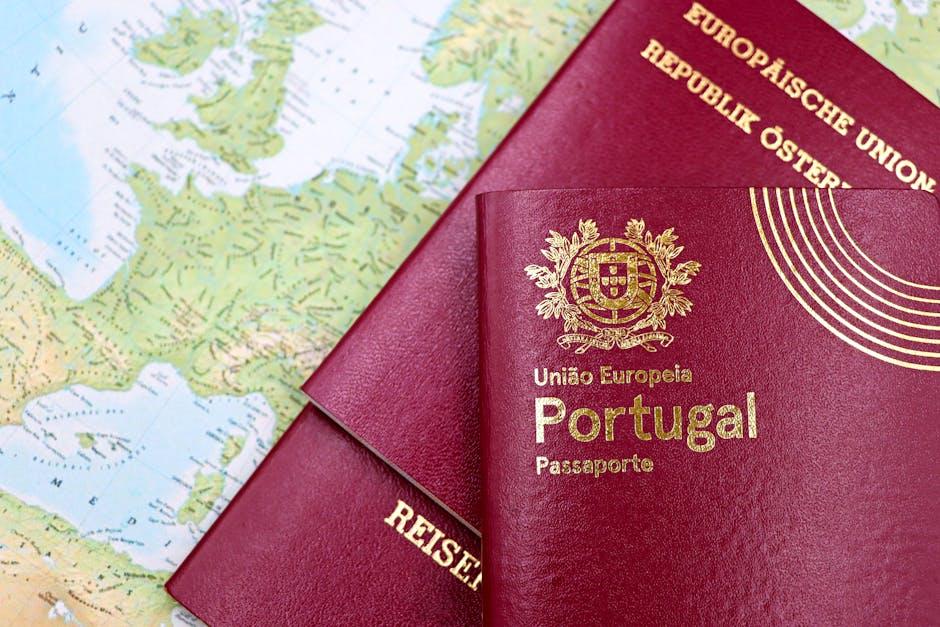
Global Passports as Symbols of International Identity
In an increasingly interconnected world, passports have transcended their practical purpose to become powerful emblems of identity and global citizenship. More than mere travel documents, they carry the weight of personal history, culture, and the promise of opportunities beyond borders. Each page tells a story not just of the traveler, but of the nation they represent—flashing symbols of sovereignty, heritage, and international trust. As individuals move across continents, passports act as bridges, enabling cultural exchange and fostering a sense of global community in an era where mobility shapes our lives.
These tangible symbols also reflect evolving attitudes toward nationality and belonging. In the face of geopolitical shifts and the rise of multinational alliances, passports now embody not just legal rights but shared values and responsibilities. From the colors of their covers to the intricacies of biometric technology, passports are constantly adapting, mirroring the delicate balance between security and freedom. Consider the following aspects that highlight their significance:
- Visual identity: Flags, coats of arms, and national mottos offer a visual narrative of history and pride.
- Technological advancement: Embedded chips and anti-fraud features protect national integrity while facilitating travel.
- Diplomatic symbolism: Serving as tokens of mutual recognition, enabling visa agreements and international cooperation.
- Social mobility: Unlocking educational, professional, and cultural opportunities across borders.
| Passport Element | Symbolic Meaning | Global Impact |
|---|---|---|
| Cover Design | National identity & pride | Instant recognition at borders |
| Biometric Chip | Security & authenticity | Streamlined customs processing |
| Visa Pages | Journeys and connections | Facilitates global mobility |

The Evolution of Passport Technology and Security Measures
Over the centuries, passports have transformed from simple handwritten documents to sophisticated smart cards embedded with cutting-edge technology. Early passports often consisted of only a brief description and a signature, relying heavily on the honesty of travelers. Today, modern passports integrate biometric identifiers such as fingerprints, facial recognition, and iris scans, creating a near-impossible barrier for forgery. Governments worldwide have embraced e-passports equipped with embedded chips that securely store biometric data, enabling seamless and expedited border control processes. The evolution continues with the adoption of mobile passport applications and digital identities, further pushing the boundaries of convenience and security.
The ongoing technological advancements have been matched by enhanced security measures designed to outpace increasingly sophisticated threats. These include:
- Laser-etched data pages that resist tampering
- Ultraviolet and infrared inks visible only under specific light conditions
- RFID chips that enable encrypted wireless communication with border systems
- Holographic images and microprinting to deter counterfeiters
Below is a quick comparison of passport generations highlighting critical security enhancements:
| Passport Generation | Security Features | Typical Lifespan |
|---|---|---|
| Traditional Paper Passport | Handwritten data, simple stamps | 5-10 years |
| Machine-Readable Passport | Magnetic strips, printed barcodes | 5-10 years |
| Biometric e-Passport | Embedded microchips, biometric data | 10 years |
| Digital & Mobile Passports | Encrypted apps, mobile verification | Continuous updates |
Challenges and Opportunities in Passport Policy Harmonization
As nations strive to streamline international travel, the path to unifying passport policies is riddled with complexities. Diverse legal frameworks, varying security protocols, and distinct cultural sensitivities make consensus a moving target. Countries must balance sovereignty with the global imperative for seamless mobility, often navigating through bureaucratic inertia and geopolitical tensions. Moreover, technological disparities, such as differing standards in biometric systems, present technical hurdles that challenge interoperability and raise questions about privacy and data protection on a global scale.
Yet, within these challenges lie remarkable opportunities. Harmonized passport standards can bolster international trust, accelerate cross-border commerce, and enhance diplomatic relations. By creating uniform security measures and fostering data-sharing agreements, nations can collectively combat fraud and terrorism more effectively. The potential benefits extend beyond security, enabling travelers to experience unprecedented ease and predictability. The following table outlines key drivers shaping the passport policy landscape:
| Challenge | Opportunity |
|---|---|
| Fragmented Legal Systems | Standardized International Regulations |
| Cybersecurity Vulnerabilities | Advanced Biometric Innovations |
| Cultural & Political Differences | Enhanced Diplomatic Cooperation |
| Privacy Concerns | Robust Data Protection Frameworks |
The Role of Global Passports in Enhancing Cross-border Mobility
In today’s hyper-connected world, passports serve as more than just identification documents—they are powerful keys unlocking opportunities across continents. These global travel credentials facilitate smoother transitions at border controls, reduce bureaucratic hurdles, and foster seamless interactions in international business, tourism, and cultural exchange. Enhanced biometric features and digital integration lend passports an unprecedented level of security and convenience, enabling travelers to navigate cross-border journeys with greater confidence and efficiency.
Moreover, the evolving landscape of global passports is shaping the way nations collaborate on immigration policies, visa exemptions, and travel agreements. Consider the following key advantages:
- Streamlined Visa Procedures: Many countries now participate in visa waiver programs, speeding up international travel.
- Digital Passport Integration: E-passports and mobile travel credentials are enhancing authentication processes.
- Security Enhancements: Biometric data reduces identity fraud and increases trust between nations.
- Economic Growth: Easier mobility supports global trade, tourism, and talent exchange.
| Feature | Impact on Mobility |
|---|---|
| Biometric Authentication | Quick, secure border clearance |
| Visa Waiver Agreements | Reduced travel restrictions |
| Digital Passports | Convenience in documentation |
Strategies for Inclusive Passport Access and Future Innovations
Ensuring that passport access is truly inclusive requires a multifaceted approach, blending innovation with empathy. Governments and institutions need to prioritize accessibility by leveraging technology to accommodate diverse needs—whether that means biometric scans adaptable to differently-abled individuals or mobile passport application centers reaching remote communities. Emphasizing digital literacy alongside physical infrastructure will empower marginalized groups to engage confidently with travel documentation processes. Key elements for success include:
- Integration of language translation AI in application portals to break down communication barriers
- Flexible documentation requirements that consider unique identity verification challenges worldwide
- Collaborations between public and private sectors to drive equitable distribution of passport services
Looking ahead, the passport system is poised for transformative breakthroughs—ushering in an era where identity verification merges seamlessly with secure digital ecosystems. Imagine a future where blockchain technology guarantees document authenticity and privacy without sacrificing convenience. Augmented reality border controls could provide real-time assistance, while universal digital identities might enable travelers to access multiple services with a singular, trusted credential. The table below outlines a glimpse of potential innovations shaping tomorrow’s global travel landscape:
| Innovation | Description | Impact |
|---|---|---|
| Blockchain Passports | Decentralized, tamper-proof identity storage | Enhanced security and trust |
| AR Border Assistance | Real-time guidance via augmented reality | Simplified, user-friendly checkpoints |
| Universal Digital ID | One digital identity for global verification | Streamlined access across countries |
In Summary
As the world continues to weave an ever-tighter tapestry of cultures, economies, and ideas, global passports stand as humble yet powerful symbols of connection. More than mere travel documents, they represent our shared human journey—bridging borders, fostering understanding, and opening doors to new possibilities. In embracing the evolving landscape of global mobility, we not only cross physical boundaries but also step toward a more interconnected and inclusive future, where the passport becomes a key to unlocking the vast potential of our united world.