
In an increasingly interconnected world, the concept of citizenship is evolving beyond the traditional boundaries of birthright and heritage. Citizenship by investment has emerged as a unique pathway, offering individuals the opportunity to obtain a new nationality through strategic economic contributions. This innovative approach not only opens doors to global mobility and diverse business prospects but also raises important questions about identity, legality, and the value of a passport. In this article, we will explore how citizenship by investment works, examine the array of options available, and highlight the key considerations for those contemplating this modern route to citizenship.
Understanding Citizenship by Investment and What It Means for You
Citizenship by investment (CBI) is a legal process where individuals can obtain citizenship in a foreign country by making a substantial economic contribution, typically through real estate purchases, business investments, or government funds. Unlike naturalization, which often requires years of residency and integration, CBI provides a more rapid path to citizenship, allowing investors and their families to access new passports in a matter of months. This method is increasingly popular among high-net-worth individuals seeking greater global mobility, diversification of personal assets, or enhanced business opportunities. However, understanding the specifics of each country’s program-including eligibility, required investment amounts, and due diligence procedures-is critical before proceeding.
CBI programs come with a variety of benefits but also important considerations that applicants must weigh carefully. Key advantages often include visa-free travel to many countries, improved tax planning possibilities, and the ability to live or work in the citizenship country and its regional partners. However, common challenges can arise, such as complex legal requirements, ongoing fees, and potential scrutiny related to the source of funds. Comparing programs across different jurisdictions is essential; factors like processing time, investment options, and quality of life impacts vary widely. To navigate this effectively, it’s recommended to consult with immigration experts and review official program guidelines to align your personal and financial goals with the most suitable citizenship by investment option.
Exploring the Advantages and Potential Pitfalls of Citizenship by Investment
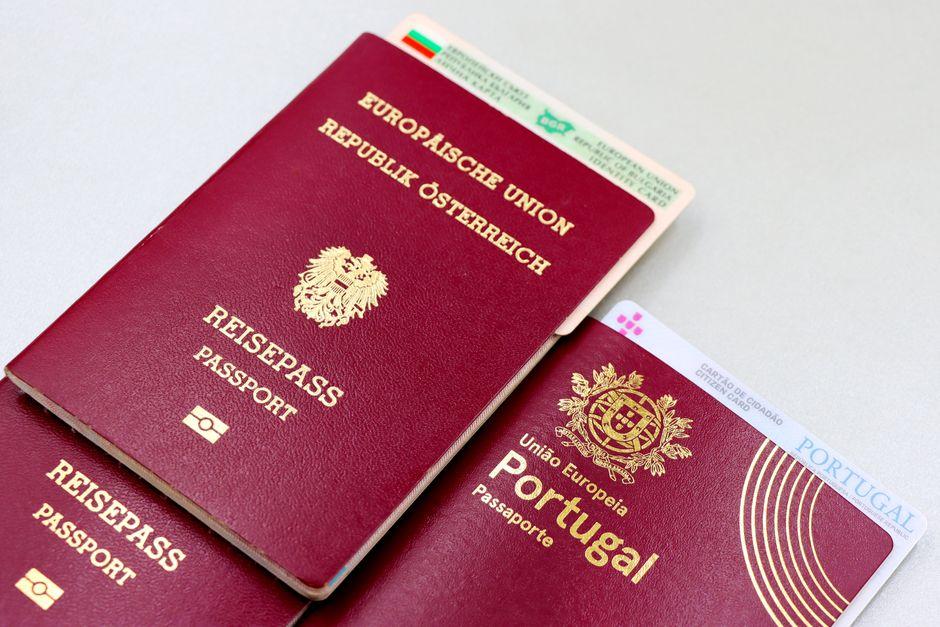
Citizenship by Investment (CBI) offers a streamlined pathway to acquiring a second passport through financial contribution or economic participation in a host country. The advantages are compelling: applicants often gain visa-free or visa-on-arrival access to numerous countries, enhanced global mobility, and improved business or tax planning opportunities. Additionally, many programs grant citizenship without demanding physical residence, making it attractive to busy professionals and international investors. Besides travel freedom, CBI often facilitates more secure family futures by including dependents in the application, and offers protection against geopolitical instability or local economic downturns.
However, it’s crucial to weigh potential pitfalls before committing. Some CBI programs carry high costs, including significant minimum investment thresholds and government fees, which may not suit every investor’s budget. There are also reputational risks: obtaining citizenship through investment can sometimes raise concerns around transparency and due diligence, prompting scrutiny from immigration authorities or international organizations. Furthermore, some jurisdictions restrict dual citizenship or impose tax obligations that could impact the financial benefits of new citizenship. To navigate these complexities, prospective investors should conduct thorough due diligence, compare program credibility, and consult with legal experts to ensure the chosen CBI option aligns with long-term personal and financial goals.
Comparing Different Citizenship by Investment Programs Around the World
Citizenship by Investment (CBI) programs differ significantly across countries, primarily in their investment requirements, processing times, and the benefits they confer. Popular jurisdictions like St. Kitts and Nevis, Malta, and Cyprus offer varying routes ranging from real estate and government bonds to direct donations. For example, St. Kitts and Nevis is renowned for its relatively affordable donation-based option starting at $150,000 and a swift processing time of around 4-6 months. On the other hand, Malta requires a more substantial contribution, including a minimum real estate purchase or lease alongside a donation exceeding €600,000 but benefits from strong European Union (EU) mobility rights, making it particularly attractive for investors targeting broader European access.
When comparing CBI programs, beyond the investment threshold and timeline, applicants often prioritize the quality of life, visa-free travel capabilities, and tax implications. Travel freedom is a key consideration, with passports from countries like Malta, Cyprus, and Portugal granting access to over 180 destinations visa-free, while Caribbean options tend to have more regional advantages. Additionally, many programs emphasize confidentiality, family inclusion, and dual citizenship allowances. Here’s a concise overview to help clarify distinctions:
| Country | Minimum Investment | Processing Time | Notable Benefits | Visa-Free Travel |
|---|---|---|---|---|
| St. Kitts and Nevis | $150,000 (donation) | 4-6 months | Fast processing, no residency required | Over 150 countries |
| Malta | €600,000+ (donation + real estate) | 12-18 months | EU citizenship, high travel freedom | 180+ countries |
| Cyprus | €2 million (real estate) | 6-8 months | EU citizenship, attractive tax system | 170+ countries |
Essential Factors to Consider Before Applying for Citizenship by Investment
- Eligibility Criteria: Before applying for citizenship by investment, it’s crucial to thoroughly understand the specific eligibility requirements of the country you’re interested in. These often include minimum investment amounts, clean criminal records, health screenings, and proof of source of funds. Each program has its own unique thresholds and conditions, so researching these details upfront can save both time and resources.
- Investment Types and Economic Impact: Citizenship by investment typically involves real estate purchases, government bonds, business ventures, or direct financial contributions to a national development fund. Evaluating the type of investment not only ensures compliance but can also influence your returns or benefits. Consider whether the investment is refundable, has resale potential, or offers economic incentives like tax breaks or residency rights.
| Key Considerations | What to Ask | Impact on Decision |
|---|---|---|
| Processing Time | How long will the application take? | Dictates planning, travel, and business affairs |
| Due Diligence | What background checks are required? | Affects eligibility and application success |
| Costs Beyond Investment | Are there additional fees (legal, administrative)? | Impacts total budget and financial planning |
| Rights and Responsibilities | What rights does citizenship confer? | Determines personal and business advantages |
Common Myths and Practical Advice for Choosing the Right Citizenship Path
Common Myths: A prevalent misconception is that citizenship by investment is a fast track to dual citizenship without any due diligence or background checks. In reality, most countries conduct thorough vetting processes to ensure applicants meet legal and financial criteria, which can take several months. Another myth is that all programs offer the same benefits-however, each citizenship option varies significantly in terms of visa-free travel, tax advantages, and access to education or healthcare. Some people also believe that once citizenship is obtained, investment requirements must be maintained indefinitely, but this depends entirely on the country’s regulations. Understanding these myths helps applicants make informed choices and avoid costly pitfalls.
Practical Advice for Choosing the Right Citizenship Path: Start by clearly identifying your primary goals-whether it’s visa-free travel, tax optimization, or business opportunities-since different programs cater to different needs. Evaluate the investment options carefully; while real estate and direct contributions are common, some countries offer bonds or job creation alternatives with varying timelines and liquidity. Consider factors such as processing time, residency requirements, and ongoing obligations. It’s advisable to consult with licensed immigration experts who can provide up-to-date insights and help custom-tailor the process to your personal circumstances. Below is a quick comparison to aid decision-making:
| Criteria | Typical Investment | Processing Time | Residency Requirement |
|---|---|---|---|
| Real Estate | $200,000-$500,000 | 6-12 months | Often none or minimal |
| Government Bonds | $100,000-$250,000 | 4-8 months | Typically none |
| Direct Donation | $100,000-$400,000 | 3-6 months | Usually none |
Future Outlook
In the ever-evolving landscape of global mobility, citizenship by investment emerges as a unique gateway-offering more than just a passport, but a world of possibilities. Whether it’s the allure of new business ventures, enhanced travel freedom, or a secure haven for your family, understanding the benefits, options, and crucial factors ensures you make an informed decision. As you navigate this complex yet fascinating journey, remember that citizenship is more than a legal status-it’s a bridge to new beginnings and untapped horizons. Choose wisely, plan carefully, and step confidently into the future that citizenship by investment can unlock.




