
In an increasingly interconnected world, the idea of calling more than one place “home” is becoming not just a dream but a tangible opportunity. Citizenship through investment offers a unique gateway to dual nationality, allowing individuals to secure new passports by contributing to a country’s economy. This approach is more than just a legal transaction-it opens doors to global mobility, expanded business prospects, and personal security. Yet, beneath the enticing benefits lies a complex landscape of programs, requirements, and ethical considerations. In this article, we will explore how citizenship through investment works, unveiling the various options available, the advantages they present, and the essential factors you should weigh before embarking on this life-changing journey.
Understanding Citizenship Through Investment and How It Operates
Citizenship through investment is a legal process where individuals obtain a second nationality by making a significant financial contribution to a country’s economy. This can include direct investments such as purchasing real estate, funding government projects, or making non-refundable donations to national development funds. The core appeal lies in the streamlined path to citizenship without the usual residency or language requirements, making it an attractive option for investors seeking global mobility, tax optimization, or enhanced business opportunities. Typically, the process involves submitting an application, undergoing due diligence to ensure the applicant’s background is clear, and then completing the qualifying investment before receiving citizenship.
Understanding how citizenship through investment operates means recognizing both the financial and legal components involved. The programs differ widely across countries, often varying in investment thresholds, processing times, and benefits like visa-free travel or family inclusion. Common issues applicants face include fluctuating program requirements and potential reputational risks if the jurisdiction lacks transparency. To navigate these complexities, it’s advisable to compare key factors such as:
- Minimum investment amounts – ranging typically from $100,000 to over $2 million.
- Processing duration – some countries offer citizenship in as little as 3 months, others require years.
- Permissible investment types – donation, real estate, government bonds, or business startups.
- Due diligence standards – varying rigor that impacts approval likelihood.
- Tax implications – the presence of double taxation treaties and personal tax obligations.
| Key Element | What to Expect | Example Range |
|---|---|---|
| Investment Types | Donations, real estate, business ventures | $100,000 – $2,000,000+ |
| Application Processing | Background checks, document verification | 3 – 24 months |
| Benefits | Visa-free travel, tax planning, family inclusion | Varies by country |
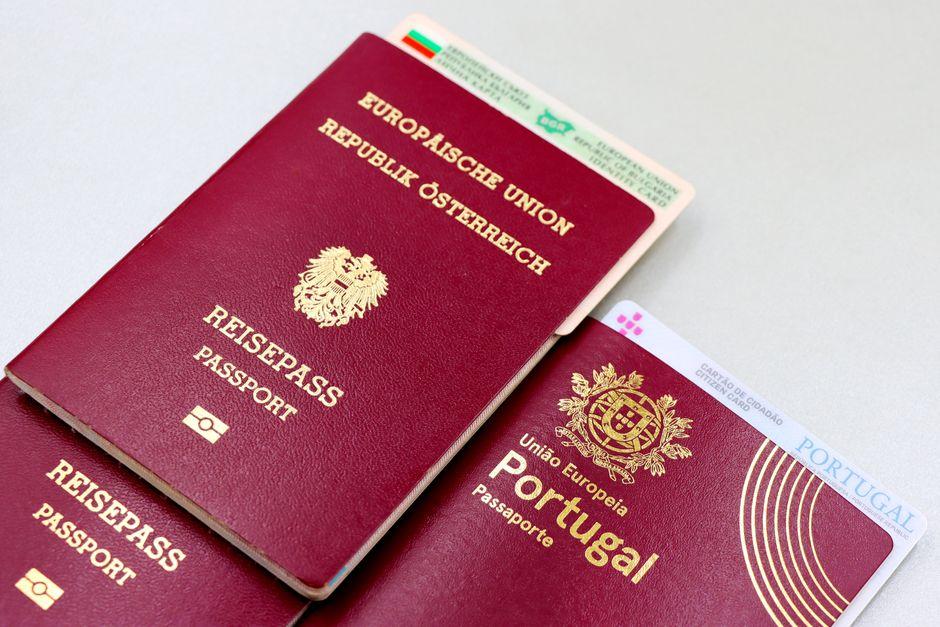
Exploring the Advantages of Citizenship by Investment Programs
Citizenship by Investment (CBI) programs offer individuals a unique pathway to acquire a second nationality through economic contribution, typically via real estate, government bonds, or direct financial donations. The primary advantage of these programs lies in their ability to provide fast-tracked citizenship compared to traditional naturalization routes, which often require years of residency. Additionally, CBI grants applicants and their families access to enhanced global mobility through visa-free or visa-on-arrival travel to numerous countries, opening doors for business, education, and leisure. Many programs also emphasize confidentiality, allowing investors to secure new citizenship discreetly. Furthermore, CBI citizenship can offer favorable tax regimes, enabling individuals to optimize their tax planning while benefiting from political and economic stability in the host country.
When evaluating the advantages of citizenship by investment, it is essential to consider factors such as the program’s processing time, investment requirements, and eligibility criteria. For example, some countries require a minimum stay or background checks, while others grant citizenship with minimal residency obligations. A clear understanding of each program’s due diligence standards helps ensure compliance and reduce rejection risks. The table below summarizes common benefits across popular CBI programs:
| Key Benefit | Impact on Investor |
|---|---|
| Fast Processing | Citizenship granted within 3-6 months |
| Visa-Free Travel | Access to 140+ countries globally |
| Family Inclusion | Dependent coverage for spouse, children, and sometimes parents |
| Tax Benefits | Potential for tax optimization and no worldwide taxation |
Navigating the Challenges and Common Misconceptions
Understanding the challenges involved in citizenship through investment is crucial for applicants looking to avoid potential pitfalls. One common misconception is that the process guarantees instant citizenship, but most programs require thorough due diligence, background checks, and often a waiting period before approval. Additionally, not all investments yield a second passport or residency with equal ease; factors like the country’s political stability, economic environment, and global reputation play significant roles. Applicants should be aware of possible hidden fees, stringent compliance requirements, and potential legal nuances, especially concerning tax obligations and dual citizenship policies that differ widely across jurisdictions.
To navigate these challenges effectively, it’s advisable to compare programs based on key considerations such as processing time, investment minimums, and withdrawal options. The following table highlights some of the core decision factors applicants frequently evaluate:
| Factor | What to Consider | Example Misconceptions |
|---|---|---|
| Investment Type | Real estate, government bonds, or donations with varying lock-in periods | “All investment options are refundable and risk-free” |
| Processing Time | From a few months to over a year | “Citizenship can be obtained within weeks” |
| Residency Requirements | Some programs require physical presence or minimal stay | “No residency is ever required” |
Key recommendations for prospective investors include consulting licensed immigration professionals, thoroughly reviewing program regulations, and assessing country-specific political and economic conditions before committing. By aligning expectations with program realities, applicants can make informed choices that maximize the benefits of citizenship through investment.
Comparing Global Options to Find the Best Citizenship Path
Comparing citizenship through investment programs worldwide requires understanding key factors such as investment thresholds, processing times, and the range of benefits each option offers. Common paths include real estate purchases, direct government contributions, or business ventures, differing significantly in cost and eligibility. For example, countries like Saint Kitts & Nevis offer expedited citizenship with relatively low investment starting around $150,000, ideal for those seeking swift processing. Conversely, nations like Malta provide a robust EU passport but require multi-step residency and higher financial commitments exceeding €600,000. Investors should weigh not only upfront costs but also ongoing obligations like due diligence fees, residency requirements, and potential tax implications.
To clarify these differences, the table below compares some of the most popular global programs based on investment type, minimum amount, approximate processing time, and visa-free travel perks:
| Country | Investment Type | Min Investment | Processing Time | Visa-Free Travel |
|---|---|---|---|---|
| Saint Kitts & Nevis | Donation to fund / Real estate | $150,000 | 3-6 months | Over 150 countries |
| Malta | Contribution + real estate + bonds | €600,000+ | 12-36 months | EU/Schengen Area & more |
| Turkey | Real estate | $400,000 | 6 months | Over 110 countries |
| Portugal (Golden Visa) | Real estate | €280,000+ | 12-18 months | EU/Schengen Area |
Choosing the best citizenship path depends on personal priorities-whether fast processing, travel freedom, or low investment amounts matter most. It’s recommended to consult with specialized legal advisors to navigate complexities such as dual citizenship restrictions, overlapping residency demands, and financial risks. Ultimately, a tailored approach that aligns your investment capacity with lifestyle and long-term goals ensures a more satisfactory and compliant citizenship acquisition.
Key Factors to Evaluate Before Making Your Investment Choice
- Investment Type and Eligibility Requirements: Different citizenship-by-investment programs mandate varying investment options such as real estate, government bonds, business development, or direct financial contributions. Carefully assess these options to determine which align with your financial capacity and risk tolerance. Check eligibility criteria including minimum investment amounts, background checks, and residency obligations to understand what commitments each program requires.
- Processing Time and Application Transparency: The duration from application to citizenship approval can range from a few months to several years depending on the country and investment pathway. It’s crucial to evaluate programs that offer clear timelines and transparent procedures to avoid unexpected delays or hidden fees. Look for official government-backed programs or those with strong regulatory oversight to minimize risks associated with application rejections or legal complications.
| Key Factor | What to Consider | Impact on Investment Choice |
|---|---|---|
| Investment Security | Potential for return, market stability, and liquidity | Ensures capital preservation and possible financial benefits beyond citizenship |
| Visa-Free Travel Benefits | Passport strength and access to target countries | Maximizes global mobility, a core motivation for many investors |
| Tax Implications | Residency-based taxation policies and double tax treaties | Affects overall financial planning and net gains from the investment |
Closing Remarks
In the intricate tapestry of global mobility, citizenship through investment weaves a unique thread-offering more than just a passport, but a gateway to new opportunities, security, and freedom. Whether driven by the allure of economic advantages, ease of travel, or strategic planning for the future, this pathway requires thoughtful consideration of its benefits and responsibilities. As with any significant decision, understanding the options and potential implications is essential to making a choice that aligns with your goals and values. In the end, citizenship through investment is not just a transaction-it’s a personal journey toward a new chapter in life’s unfolding story.




