In an era defined by interconnected skylines and shifting shorelines, the story of human movement is being rewritten with each passing day. “Journeys Across Borders: Mapping the New Face of Global Migration” delves into the evolving patterns that are shaping how people traverse the world—whether driven by opportunity, conflict, or climate. Beyond borders and passports, this exploration uncovers the intricate web of journeys that reflect not only the changing landscapes of nations but also the enduring resilience and aspirations of those who undertake them. As migration continues to redefine the global tapestry, understanding its new face becomes essential to navigating the complexities of our shared future.
Journeys Across Borders The Changing Patterns of Global Migration
Migration is no longer a simple story of movement from one country to another; it has evolved into a complex web of journeys shaped by economic shifts, climate change, and technological advances. The traditional corridors of migration—once dominated by movement from developing nations to developed ones—are now accompanied by intricate pathways involving diverse destinations and return migration. This fluidity demands a renewed understanding that captures the multi-dimensional nature of today’s migrant experience, where opportunity, desperation, and resilience intertwine in unprecedented ways.
Contemporary migration trends highlight several transformative patterns:
- Rise of South-South migration: Increasing migration flows between countries with similar income levels.
- Climate displacement: Growing numbers fleeing environments altered by droughts, floods, and rising sea levels.
- Digital diasporas: Communities leveraging technology to maintain cultural ties and economic linkages across borders.
These shifts are reshaping societal compositions globally and prompting new policy challenges around integration, human rights, and development cooperation.
| Migration Type | Key Drivers | Affected Regions |
|---|---|---|
| Economic Migration | Job opportunities, wage gaps | Asia to Middle East, Latin America to North America |
| Forced Displacement | Conflict, persecution | Africa, Syria to Europe |
| Environmental Migration | Natural disasters, climate change | Pacific Islands, Sub-Saharan Africa |
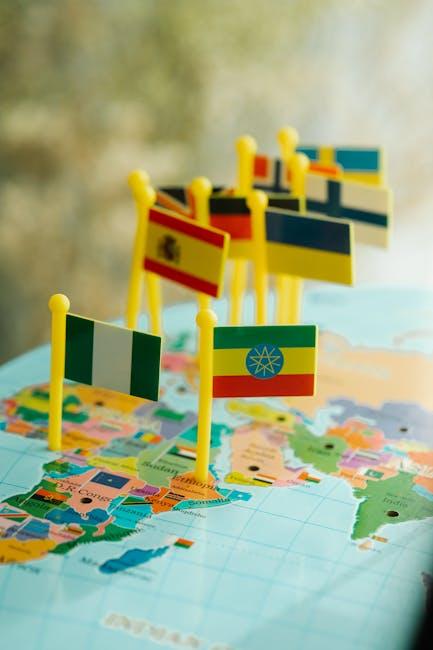
Navigating Challenges and Opportunities in Host Countries
Host countries often find themselves at the crossroads of tradition and transformation. Migrants bring with them a tapestry of cultures, languages, and experiences that enrich local communities. However, this diversity also poses a series of complex challenges that require thoughtful policies and open dialogues. From navigating legal frameworks and access to social services to overcoming language barriers and workplace integration, the journey for both migrants and host societies is a dynamic balancing act. Effective inclusion strategies can turn potential friction points into engines of innovation and social cohesion.
Amid these challenges lie unprecedented opportunities that, if embraced, can redefine national identities and global collaboration. Key areas worth noting include:
- Workforce revitalization: Immigrants often fill crucial gaps in labor markets, especially in emerging industries and aging populations.
- Cultural exchange: The fusion of diverse traditions fosters creativity, new business ventures, and enriched social fabrics.
- Economic growth: Entrepreneurs among migrant populations drive small business creation and contribute to GDP expansion.
- Global networks: Migrant communities forge international links that can boost trade, education, and diplomacy.
| Challenge | Opportunity | Impact |
|---|---|---|
| Language barriers | Multilingual education programs | Stronger communication skills across communities |
| Social integration | Community-building initiatives | Enhanced social cohesion and reduced discrimination |
| Employment access | Skill certification and recognition | Economic empowerment and workforce diversity |
The Role of Technology in Transforming Migration Experiences
Advancements in digital technology have dramatically reshaped the migration landscape, turning what was once a perilous and unpredictable journey into a more navigable and connected experience. From real-time GPS tracking and mobile communication apps to sophisticated data analytics, technology is empowering migrants to plan routes, access vital information, and maintain contact with families despite physical distances. The integration of blockchain for secure identity verification and digital remittances also fosters trust and efficiency, reducing fraud and financial barriers that once hindered cross-border movement.
Key technological tools influencing migration include:
- Mobile Applications: Offering localized information on legal rights, shelter locations, and weather conditions.
- Social Media Platforms: Facilitating community building and peer support among migrant networks.
- Data Analytics: Enhancing governmental and NGO responses to migration trends and humanitarian needs.
- Biometric Systems: Streamlining border security while safeguarding identity and privacy.
| Technology | Purpose | Impact |
|---|---|---|
| GPS Navigation | Route Planning | Increased Safety |
| Blockchain | Digital Identity | Secure Transactions |
| Mobile Alerts | Real-Time Info | Empowered Decision-Making |
Policy Innovations for Equitable and Sustainable Migration
Innovations in migration policy are increasingly embracing a holistic approach that prioritizes human dignity and environmental sustainability. Governments and organizations worldwide are pioneering frameworks that balance the needs of migrants with the imperatives of host communities and ecosystems. Central to these efforts is the integration of technology to facilitate transparent, efficient, and rights-based migration pathways. For instance, digital identity platforms are enabling safer border crossings while reducing paperwork burdens, and data-driven impact assessments are shaping policies that mitigate social disparities and ecological footprints.
Equity-focused reforms are also reshaping legal and social infrastructures, promoting inclusivity through measures such as:
- Community-led integration programs enhancing cultural exchange and local empowerment
- Adaptive labor policies recognizing the skills and contributions of diverse migrant populations
- Environmental migration corridors designed to safeguard vulnerable habitats alongside migration routes
| Policy Innovation | Purpose | Impact |
|---|---|---|
| Tech-enabled Migration Hubs | Streamline processing with transparency | Reduces wait times by 40% |
| Inclusive Work Permits | Recognize informal sector skills | Boosts economic integration |
| Green Migration Routes | Minimize ecological disruption | Protects endangered areas |
Building Inclusive Communities Through Cross-Cultural Understanding
True harmony in diverse communities emerges when we actively embrace the stories, traditions, and values of those around us. Creating spaces where dialogue flows freely allows for the dismantling of stereotypes and builds mutual respect. By valuing difference as a source of strength, neighborhoods become rich tapestries where every thread contributes to a vibrant whole. Key ingredients to this process include:
- Open forums that encourage sharing cultural narratives
- Collaborative events celebrating festivals and customs
- Language exchange programs fostering communication and understanding
- Community mentorships bridging generational and cultural gaps
Consider the impact of these initiatives on social cohesion and individual well-being, quantified in ways that illustrate their transformative power:
| Initiative | Community Engagement Increase | Reported Sense of Belonging |
|---|---|---|
| Language Exchange | +40% | 85% Positive |
| Festival Collaboration | +55% | 90% Positive |
| Mentorship Programs | +35% | 88% Positive |
Future Outlook
As the tides of migration continue to reshape our world, the maps we draw are more than mere lines on paper—they are living stories of hope, challenge, and transformation. Journeys Across Borders reveals not just where people move, but how they redefine the landscapes of identity and belonging. In tracing these dynamic pathways, we gain not only insight into the movements themselves but also a deeper understanding of the interconnected human experience that transcends borders. As global migration writes its next chapters, our collective maps must evolve, embracing complexity and telling the stories that shape our shared future.