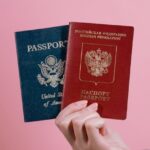
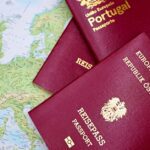
In the vast tapestry of human history, movement has been a constant thread—woven through stories of hope, survival, discovery, and transformation. “Journeys Beyond Borders: Understanding Migration and Immigration” invites readers to step beyond lines drawn on maps and delve into the lived experiences and complex realities that shape these phenomena. This exploration unveils not only the physical passage across lands but also the emotional landscapes navigated by those who seek new beginnings. By peeling back layers of policy, culture, and identity, we gain insight into how migration and immigration continue to redefine societies and challenge our perceptions of belonging in an ever-connected world.
Exploring the Roots of Migration and Its Global Impact
Migration is a phenomenon deeply rooted in the fabric of human history, arising from a complex web of factors that push and pull individuals and communities across borders. Economic opportunities, environmental changes, political unrest, and social aspirations all intertwine to shape these journeys. The decision to migrate often represents both a quest for survival and a leap toward better prospects, encapsulating stories of resilience and transformation. Understanding these motivations helps illuminate why migration is not just a modern occurrence but a timeless narrative that shapes societies.
The ripple effects of migration extend far beyond the immediate movement of people. Host countries experience cultural enrichment, economic growth, and demographic shifts, while migrants often act as bridges between diverse worlds. These impacts can be seen in:
- Economic contributions: Migrants fill essential roles in labor markets, fostering innovation and entrepreneurship.
- Cultural exchange: New traditions, cuisines, and ideas blend to create dynamic multicultural environments.
- Social challenges: Integration and policy adaptation require thoughtful approaches to ensure cohesion and equity.
| Aspect | Impact | Example |
|---|---|---|
| Economic | Boost in labor supply and innovation | Startups founded by immigrants in Silicon Valley |
| Cultural | Enrichment of arts and cuisine | Fusion food scenes in global cities |
| Social | Challenges in integration and policy-making | Urban housing and education reforms |

Navigating Legal Frameworks and Policy Challenges
Understanding the complex terrain of migration requires more than just a grasp of movement patterns; it demands a deep dive into the myriad legal frameworks that govern human mobility. Each country crafts its policies through a unique lens of national interest, security, and economic strategy, leading to a tapestry of regulations that can either facilitate or hinder an immigrant’s journey. Legal nuances such as visa categories, asylum procedures, and labor permits create a diverse legal ecosystem where both challenges and opportunities emerge. This patchwork can sometimes lead to confusion and inadvertent non-compliance, underscoring the importance of clear guidance and informed advocacy for migrants navigating these systems.
Policy challenges stem not only from legal complexity but also from the often competing priorities embedded in immigration discourse. Governments must balance humanitarian concerns, border security, economic integration, and social cohesion — a balancing act that results in frequently shifting regulations and enforcement practices. Consider the following factors that frequently influence policy-making:
- Political climate: Migration policy often reflects the prevailing political winds and public sentiment.
- International agreements: Treaties and conventions anchor domestic laws within a broader global context.
- Economic demands: Labor market needs and demographic trends shape immigration quotas and criteria.
| Policy Area | Challenge | Potential Outcome |
|---|---|---|
| Asylum Procedures | Overcrowded systems & lengthy wait times | Delays in lawful status determination |
| Work Visas | Restrictive quotas & eligibility criteria | Talent shortages or undocumented labor |
| Border Enforcement | Heightened security & limited cross-border movement | Increased irregular migration attempts |
Cultural Integration and the Human Experience
Human lives are richly textured with the interweaving of multiple cultures, and migration acts as a catalyst for this dynamic blend. As individuals move across borders, they bring with them a mosaic of traditions, languages, and customs that both challenge and enrich their new communities. Integration is not merely about adaptation but about creating a shared space where diverse experiences coexist, sparking innovation in social practices, cuisine, art, and storytelling. This fusion broadens horizons, fosters empathy, and nurtures a collective identity that respects individual backgrounds while celebrating unity.
Successful cultural integration relies on mutual respect and open-mindedness, often supported by community initiatives and inclusive policies. The process includes:
- Language acquisition: Facilitating communication and social participation.
- Cultural exchange programs: Enhancing understanding and appreciation of diverse heritages.
- Community engagement: Providing spaces where newcomers and locals collaborate and socialize.
- Education and employment: Promoting equal opportunities and reducing social barriers.
| Aspect | Benefits |
|---|---|
| Shared Festivals | Strengthen community bonds |
| Multilingual Education | Boosts cognitive skills and inclusivity |
| Cultural Art Displays | Promote heritage appreciation |
| Local Cuisine Fusion | Encourages innovation and tourism |
Economic Contributions and Opportunities in Host Societies
Immigration shapes the economic landscape of host countries in profound ways, fueling innovation, entrepreneurship, and labor market dynamism. Migrants bring diverse skills and perspectives that often complement local talent pools, enhancing productivity across industries. They frequently fill critical gaps in sectors such as healthcare, technology, and agriculture, driving growth and sustaining essential services. Far from being a drain on resources, immigrants contribute significantly through taxes, social security payments, and consumer spending, reinforcing the stability of public finances.
Opportunities generated by migration extend beyond immediate economic inputs; they stimulate community development and cross-cultural collaboration. Hosts benefit from:
- Entrepreneurial ventures that create jobs and expand markets
- Knowledge exchanges fostering innovation and technological advancement
- Demographic balancing mitigating aging population challenges
| Sector | Migrant Employment (%) | Economic Impact |
|---|---|---|
| Healthcare | 18% | Improved patient care and staffing |
| Technology | 12% | Innovation and startup growth |
| Agriculture | 20% | Securing food production |
Building Inclusive Communities Through Informed Support Strategies
Creating communities where everyone feels valued requires a commitment to understanding the diverse experiences of migrants and immigrants. Practical support strategies begin with listening actively to individual stories, recognizing unique challenges—from language barriers to cultural dislocation—that shape their integration processes. Community programs that emphasize collaboration between local residents and newcomers foster empathy, facilitate knowledge exchange, and empower all voices in the dialogue.
Effective support can take many forms, but certain core elements consistently promote inclusivity:
- Culturally responsive education to bridge gaps in understanding.
- Accessible legal and social services tailored to diverse needs.
- Safe spaces for cultural expression and community building.
- Ongoing engagement rather than one-time interventions.
| Support Strategy | Key Benefit |
|---|---|
| Multilingual Resource Centers | Breaks language barriers |
| Community Mentorship Programs | Encourages cultural exchange |
| Legal Aid Clinics | Facilitates rights awareness |
| Cultural Festivals | Strengthens social bonds |
Closing Remarks
As the stories of countless journeys unfold beyond borders, we are reminded that migration is more than movement—it is a testament to human resilience, hope, and the quest for belonging. In understanding these complex pathways, we not only uncover the challenges faced but also the shared dreams that connect us all. Beyond maps and policies, migration is a mosaic of lives intertwined, inviting us to see the world through a lens of empathy and shared humanity.