
In a world increasingly woven together by global connections, the concept of identity is evolving beyond singular definitions. For millions, citizenship is no longer confined to one nation’s boundaries but sprawls across multiple lands and legal systems. “Living Between Borders: Navigating the Complex Journey of Multiple Citizenship” explores the intricate realities faced by those who hold more than one passport. It is a journey marked by opportunities and challenges alike-a delicate balance of allegiance, rights, and responsibilities that reshapes what it means to belong in an ever-shifting landscape of culture, law, and personal identity.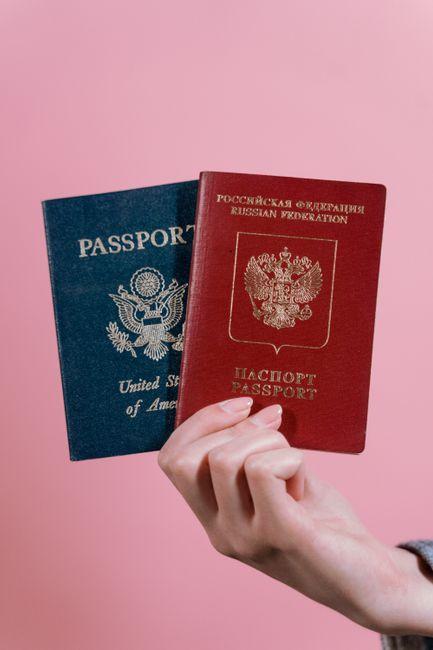
Roots in Two Worlds A Personal Tale of Belonging and Identity
Growing up with dual citizenship often feels like living in two parallel worlds, each pulling you in different directions. Take Maria’s story, for example. Born in Brazil to an Italian father and a Brazilian mother, she inherited both citizenships and the rich cultural tapestries they represent. However, Maria’s early years were marked by a quiet tension – school festivals in Brazil celebrated samba and futebol, while family gatherings in Rome revolved around pasta and neighborhood politics. She often found herself translating jokes from Italian to Portuguese, hoping the humor would land equally well. This balancing act extended beyond language to identity, as she navigated expectations tied to each nationality, sometimes wondering where she truly belonged as both worlds shaped and, at times, conflicted within her.
Moments of clarity-and confusion-often arrived at pivotal life decisions. When Maria received her university acceptance in Italy and a scholarship offer in Brazil, she faced more than just a choice of location; she grappled with where her heart felt most at home. A simple Excel comparison helped her weigh factors:
| Consideration | Studying in Italy | Studying in Brazil |
|---|---|---|
| Family Proximity | Close to paternal relatives | Close to maternal side |
| Career Opportunities | Strong in her field | Growing, with emerging networks |
| Cultural Comfort | Familiar but sometimes formal | Warm and lively |
| Financial Implications | Lower tuition fees | Scholarship reduces costs |
In the end, Maria’s choice to study in Italy brought unexpected challenges-homesickness, language nuances, and a sense of isolation despite the familiar surroundings. But it also unearthed profound lessons about identity: belonging isn’t static or singular. It’s possible to carry pieces of both worlds without fully fitting into either, creating a personal identity that embraces complexity rather than conformity. Her journey illustrates that multiple citizenships can enrich one’s life, but they can also demand an ongoing negotiation of self, community, and home.
When Legal Lines Blur The Everyday Negotiations of Dual Passport Holders
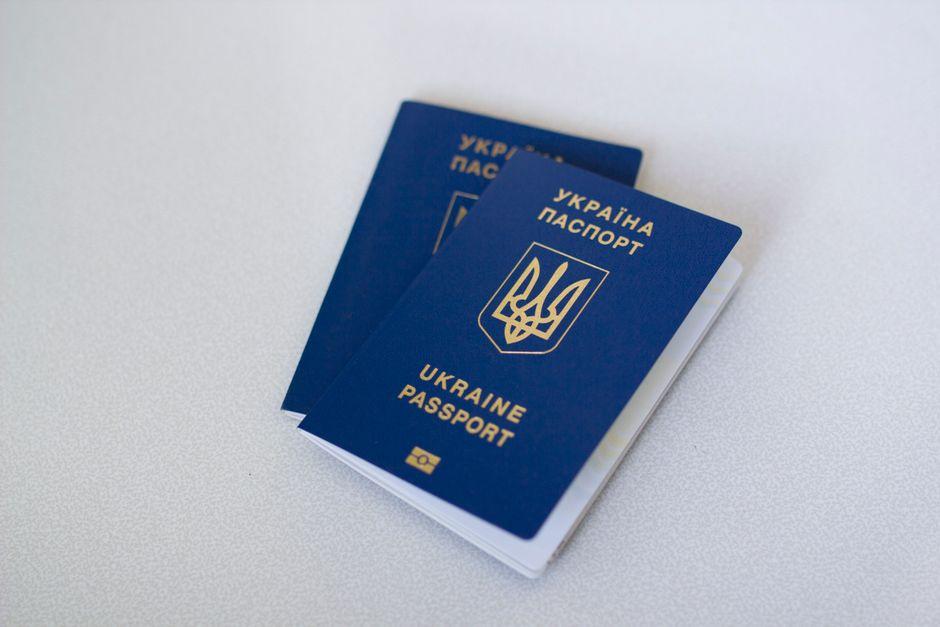
When legal lines blur, the everyday negotiations of dual passport holders become a delicate dance, often punctuated by unexpected challenges. Take Ana, a marketing consultant with both Brazilian and Portuguese citizenships. She assumed she could effortlessly travel between Europe and South America, leveraging her passports for smoother visa processes. However, on a recent trip through Spain, Ana faced a jarring reality: as a Portuguese citizen, she was required to declare her income in Europe for tax purposes, a responsibility she had overlooked. This moment forced her to navigate complex tax laws in two continents, revealing that dual citizenship isn’t just a travel advantage-it’s a legal obligation that spans borders. Ana’s experience isn’t unique; many dual citizens discover that legal systems don’t always synchronize, creating overlaps or gaps that require careful attention.
In everyday life, the juggling act extends beyond tax codes into practical scenarios like healthcare, military service, and even banking. Consider the case of Ravi, who holds Indian and Canadian passports. He expected universal healthcare access in Canada, but an extended stay in India complicated his eligibility for certain public benefits due to residency rules tied to his Indian citizenship. The contrast between expectation and reality became stark: he had to purchase private health insurance in India while maintaining his Canadian coverage, doubling his costs. Often, these legal nuances force dual passport holders to ask themselves tough questions:
- Which country’s laws apply if a conflict arises?
- How does my dual status affect my social and economic rights?
- What are the implications of military duties or civic obligations in both countries?
| Aspect | Common Expectation | Real-World Result |
|---|---|---|
| Taxation | Simple reporting in one jurisdiction | Complex, dual reporting obligations |
| Healthcare Access | Full benefits in either country | Limited access based on residency or duration |
| Military Service | Optional or no compulsory service | Potential dual obligations or exemptions vary |
Dual passport holders often become inadvertent legal translators, navigating these intersecting systems with a careful eye and the willingness to seek expert advice. The intangible lesson here is that citizenship’s privileges come hand-in-hand with responsibilities-often quietly waiting beneath the surface of every border crossed.
Crossing Cultures and Courting Challenges Balancing Loyalties and Expectations
For many who hold multiple citizenships, the journey often feels like walking a tightrope suspended between differing cultural expectations and personal loyalties. Take Amina, for example-a young professional with both British and Kenyan citizenships-who found herself at a crossroads during the height of the pandemic. Her British family expected her to embrace opportunities abroad, following the path of career advancement and financial stability in London. Meanwhile, her Kenyan relatives emphasized the importance of returning home to support her aging parents and contribute to the local community rebuilding efforts. The clash wasn’t just about geography; it was about navigating distinct values and responsibilities that pull equally hard in opposite directions. Her decision to split her time between both countries each year came with its own set of challenges-from juggling tax regulations to managing different health care systems-yet it also sparked profound personal growth and a deeper understanding of what ‘home’ truly means.
This balancing act between cultures and expectations is often layered with moments of subtle, yet impactful, decision-making. Consider the case of Javier, who holds citizenship in both Spain and Argentina. At a family wedding in Buenos Aires, Javier was expected to uphold traditional Argentine customs, including lengthy, lively gatherings-and later, to swiftly return to Spain for a crucial work project. These dual demands triggered a calculus common to many with multiple citizenships: how do you honor deep-rooted cultural rituals without jeopardizing professional obligations abroad? Through experience, Javier learned to set clear boundaries and communicate openly about his dual commitments. His story reflects a broader lesson: multiple citizenships can enrich personal identity but also require ongoing negotiation between competing loyalties. For many, this means embracing flexibility, cultivating empathy across cultures, and recognizing that there isn’t a singular “right” way to belong.
| Challenge | Example | Strategy |
|---|---|---|
| Cultural expectations at family events | Javier balancing Argentine tradition with Spanish work schedule | Setting boundaries, proactive communication |
| Loyalty to aging parents vs. career advancement abroad | Amina splitting time between Kenya and UK during the pandemic | Flexible living arrangements, accepting complexity |
Moments of Conflict and Clarity Lessons Gleaned from Straddling Nations
Maria’s first real clash with the realities of multiple citizenship came when she tried to enroll her son in school. Holding passports from two countries, she expected a seamless process, confident that her transnational identity would be an asset. Instead, she found herself tangled in bureaucracy, asked repeatedly for conflicting documents, and forced to choose an educational system aligned with only one of her nations. This moment highlighted a key lesson: belonging to multiple countries doesn’t always equate to belonging in both places equally. The emotional weight of feeling “othered” in what should be her own community was jarring-showing that identity, especially in legal and social structures, is often not as fluid as citizenship papers suggest.
Contrast this with Ahmed’s experience when he faced military service obligations in two countries. Rather than panicking, he carefully navigated both systems, learning early on that dual obligations sometimes demand proactive negotiation rather than passive acceptance. Ahmed’s story underscores the importance of understanding local laws and seeking advice before making life-altering decisions. These moments of tension often spring unexpected clarity, teaching valuable lessons about patience, research, and the need to balance multiple expectations. Here’s a quick look at what these realities often boil down to:
| Expectation | Reality | Lesson Learned |
|---|---|---|
| Seamless access to rights and services | Complicated legal procedures and conflicting requirements | Prepare for bureaucracy; know your rights and necessary documents |
| Equal cultural belonging | Feeling of alienation in one or both nations | Identity is complex; embrace hybridity and find community beyond borders |
| Mutual obligation management | Overlapping duties like taxes and military service | Plan ahead, seek expert advice, and communicate with authorities |
- Straddling national expectations demands resilience.
- Clear communication and legal literacy are vital tools.
- Every ‘conflict’ can unlock deeper understanding about identity and belonging.
Embracing Complexity The Unexpected Rewards of Multiple Citizenship
When Sofia first became a dual citizen of Spain and Argentina, she expected a straightforward upgrade to her identity-a mere addition of another passport. Yet she quickly discovered that embracing multiple citizenships meant juggling a tapestry of legal obligations, cultural nuances, and personal allegiances. On one hand, her Spanish citizenship offered ease of travel and work across the European Union, opening doors she hadn’t imagined. On the other, Argentine citizenship kept her connected to family traditions and a deeply rooted community. The unexpected rewards came not from just practical benefits but from moments like attending a local festival in Buenos Aires one day and a Catalan celebration the next, where the sense of belonging was not just legal but profoundly emotional. Sofia learned that the complexity demanded active engagement-a conscious choosing between identities depending on the moment’s needs and her evolving sense of self.
Contrast this with Jamal, who wrestled with the assumption that dual citizenship would simplify his career prospects-having Nigerian and Canadian passports, he imagined effortless transitions between continents. Instead, he faced unexpected challenges such as tax complexities and diplomatic nuances that required careful planning. However, Jamal eventually discovered that the intricate interplay of these legal frameworks gave him a unique vantage point. Opportunities in emerging markets became accessible precisely because he understood diverse systems firsthand. His experience highlights how multiple citizenships often come with a steep learning curve-balancing rights, responsibilities, and identities-but those who embrace the complexity often gain agile adaptability, enriching both their personal and professional lives.
| Challenge | Expectation | Unexpected Reward |
|---|---|---|
| Travel and residency rights | Simple, seamless access | Cultural immersion in multiple societies |
| Legal obligations (taxes, military service) | Minimal involvement | Enhanced global understanding and planning skills |
| Emotional identity | Fixed sense of belonging | Fluid, enriched personal identity |
In Conclusion
Living between borders is more than a legal status; it is a continuous negotiation of identity, belonging, and opportunity. Navigating multiple citizenships invites us into a complex journey-one where the lines on a map blur and new possibilities emerge alongside intricate challenges. As the world becomes ever more interconnected, this experience encapsulates a unique blend of freedom and responsibility, connection and contradiction. Ultimately, living between borders reminds us that identity is not confined to a single place but is a dynamic tapestry woven from many threads, each adding depth and nuance to the story of who we are.




