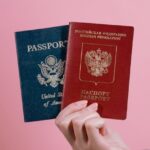
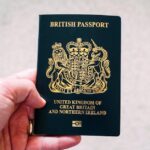
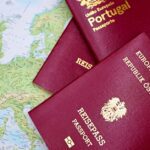
In a world increasingly connected yet distinctly divided, living between borders has become more than a metaphor—it is a lived reality for millions. The experience of holding dual nationality transcends mere legal definitions; it is an intricate dance of identities, loyalties, and expectations. Caught between two flags, two cultures, and sometimes two sets of rules, these individuals inhabit a unique space that challenges conventional notions of nationality and belonging. This article explores the multifaceted reality of dual nationality, shedding light on the personal narratives and broader implications of living truly between borders.
Navigating Identity in a World of Dual Allegiances
Holding citizenship in two countries is often celebrated as a bridge between cultures, yet it also creates a unique internal dialogue about belonging. Individuals navigate an intricate balance between loyalty and personal identity, where each allegiance carries a narrative that shapes their worldview. This duality can lead to moments of profound connection, such as celebrating holidays from both cultures or mastering multiple languages, but it can also introduce tension when societal expectations clash with personal values.
Pragmatically, living between two nations means juggling legal and social responsibilities that don’t always align perfectly. Consider the following dynamics many face:
- Obligations such as voting or taxation in both countries
- Differences in cultural norms influencing daily life decisions
- Challenges in travel and residency rights
| Aspect | Impact | Example |
|---|---|---|
| Legal Duty | Complex paperwork and compliance | Paying taxes in two countries |
| Social Identity | Feeling caught between cultures | Choosing which national holidays to celebrate |
| Emotional Connection | Simultaneous pride and conflict | Cheering for two national teams at sports events |

Legal Complexities and Rights Across Two Nations
Juggling legal obligations in two countries can feel like a dance on a delicate tightrope. Dual nationality brings a unique blend of privileges and responsibilities, where individuals must navigate intricate bureaucracies and overlapping legislation. From tax filings to military service requirements, the challenge lies in understanding where one’s rights begin and end—often a maze of differing laws and jurisdictional nuances. For example, driving licenses, voting rights, and even property ownership can differ wildly, with some countries restricting certain benefits to full citizens only.
Consider this simple snapshot of rights and responsibilities between two hypothetical nations, Country A and Country B:
| Rights/Responsibilities | Country A | Country B |
|---|---|---|
| Taxation | Global income taxed | Tax only on local income |
| Military Service | Mandatory enlistment | Voluntary service only |
| Political Participation | Voting rights in all elections | Voting rights limited to local |
| Property Ownership | Open to all citizens | Restrictions on non-primary citizens |
By weaving through these disparate sets of rules, dual nationals carve out a space that blends two identities while respecting distinct legal frameworks. The key lies in staying informed and often consulting with legal experts to ensure compliance, making one’s bi-national journey as smooth and empowered as possible.
The Cultural Richness and Challenges of Dual Nationality
Holding dual nationality often means navigating a vibrant tapestry of cultures, traditions, and values that enrich one’s identity. This unique position grants individuals the extraordinary ability to celebrate different festivals, savor diverse cuisines, and fluently move between multiple languages. It’s a continuous dance of blending the past and present, where the heritage of two nations intertwines and evolves within a single person. This cultural wealth fosters broader perspectives, empathy, and a deep sense of belonging to more than one community—making the world feel simultaneously larger and more intimate.
Yet, dual nationality is not without its intricacies. Challenges arise in legal obligations, such as tax compliance and military service requirements, where individuals must carefully manage responsibilities in both countries. Socially, the emotional tension of loyalty and identity can create moments of conflict or misunderstanding within families and societies. Below is a simple comparison illustrating some common advantages and hurdles experienced by those with dual nationality:
| Aspect | Advantages | Challenges |
|---|---|---|
| Legal | Access to two passports, rights to work and live in both countries | Complex tax systems, dual military duty |
| Cultural | Exposure to diverse traditions, multilingualism | Conflicting cultural norms, identity struggles |
| Social | Expanded family and social networks | Potential social alienation, divided loyalties |
Economic Opportunities and Responsibilities in Both Homelands
Holding citizenship in two countries opens up a world of economic possibilities. Dual nationals can tap into diverse job markets, invest in varied sectors, and access social benefits typically reserved for locals. This dynamic advantage allows individuals to leverage the strengths of both economies — from entrepreneurial ventures to educational opportunities. However, balancing these prospects requires a keen understanding of each nation’s financial regulations, tax codes, and social contribution expectations.
Alongside these benefits come responsibilities that citizens must respect to maintain their legal standing and avoid complications. For instance, dual nationals may be subject to:
- Dual taxation: Obligations to report income and pay taxes in both homelands, often requiring careful planning and sometimes legal assistance.
- Mandatory social contributions: Contributions to pension funds or healthcare programs in both countries, depending on residency and employment.
- Economic compliance: Navigating regulations related to property ownership, business registration, or banking controls that differ between nations.
| Aspect | Country A | Country B |
|---|---|---|
| Taxation System | Progressive tax, up to 35% | Flat tax, 20% |
| Social Benefits | Comprehensive healthcare | Basic healthcare + private options |
| Business Incentives | Startup grants available | Lower corporate tax rates |
Practical Advice for Embracing and Managing Dual Citizenship
Managing dual citizenship is a unique balancing act that requires awareness and organization. Begin by keeping up-to-date documentation for both countries—passports, visas, and any official ID should be readily accessible and valid. Stay informed about differing civic responsibilities, such as taxes or military service, which may apply to you depending on local laws. A practical step is setting reminders for key deadlines like tax returns or passport renewals to avoid unexpected complications.
Embracing this lifestyle also means navigating cultural nuances gracefully. Building a support network in both countries—including friends, community groups, or legal advisors—can ease transitions and foster a deeper connection. Remember to respect and celebrate the diversity of your identity by integrating traditions and languages from both cultures into your daily life. Below is a quick reference table highlighting critical aspects to monitor:
| Aspect | Actions | Tools |
|---|---|---|
| Documentation | Regularly update passports, visas | Calendars, document apps |
| Legal Obligations | Track tax laws, military duties | Legal advisors, official websites |
| Cultural Integration | Engage with local communities | Language courses, cultural events |
Final Thoughts
Living between borders is more than a matter of geography; it is a lived experience woven from the threads of identity, belonging, and legal complexity. Dual nationality offers a unique lens through which to view the world—a tapestry of opportunities and challenges that shape lives in profound ways. As we navigate the evolving landscape of globalization, understanding and appreciating the realities of dual citizens becomes increasingly vital. In embracing the nuances of living between borders, we open ourselves to richer perspectives on culture, citizenship, and what it truly means to call more than one place home.