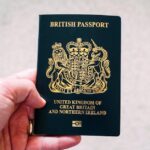
In a world that grows ever smaller through the ties of globalization, the concept of belonging is evolving beyond traditional boundaries. More than ever, individuals are navigating the complex spaces between countries, embracing identities that transcend a single nation. “Living Between Borders: The Rise of Dual Citizenship Today” explores this shifting landscape, where holding more than one passport is no longer an exception but a growing norm. This phenomenon reflects not only practical considerations—such as mobility, opportunity, and security—but also the fluid nature of identity in the 21st century. Join us as we delve into the reasons behind this trend and what it means for the way we understand nationality, community, and home.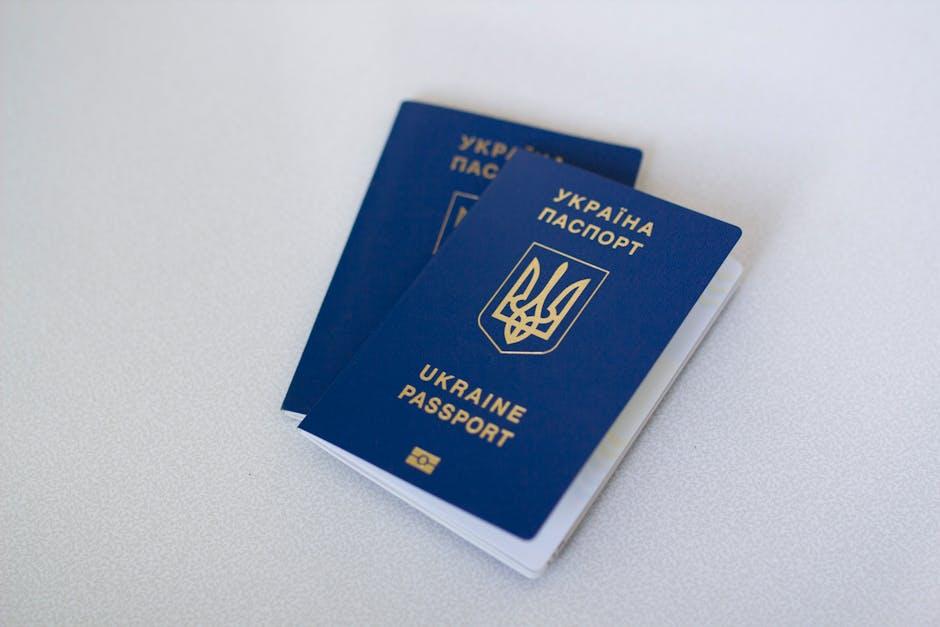
The New Landscape of Global Identity and Belonging
In today’s interconnected world, the notion of singular national identity is increasingly nuanced as more individuals embrace the freedom and complexity of holding allegiances to multiple nations. This shift reflects a broader transformation where passports are not just travel documents but symbols of cultural hybridity and personal narrative. People find themselves navigating a complex web of social, economic, and emotional ties that cross borders, forging new senses of self that challenge traditional ideas of nationhood.
Embracing dual citizenship opens doors to unique opportunities and responsibilities, including:
- Expanded Mobility for global careers or family connections
- Diverse Cultural Integration fostering empathy across societies
- Dual Voting Rights and political engagement in more than one country
- Access to Multiple Social Services such as healthcare and education
| Country | Dual Citizenship Policy | Popular Reason |
|---|---|---|
| Canada | Permissive | Economic Opportunities |
| Germany | Restricted | Strong National Identity Laws |
| Brazil | Permissive | Family Reunification |
| India | Not Permitted | Citizenship Exclusivity |
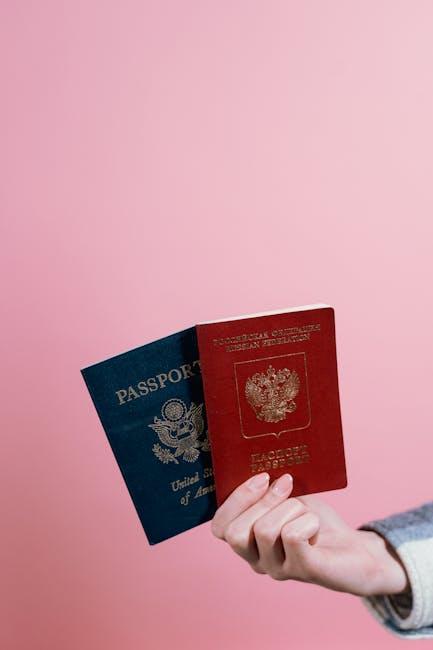
Navigating Legal Complexities and Civic Responsibilities
Balancing dual citizenship often feels like walking a legal tightrope. With each country’s laws weaving a complex tapestry of rights and obligations, individuals must become well-versed in tax regulations, military service mandates, and voting rights. For instance, while some nations require citizens to fulfill mandatory military service regardless of dual status, others offer exemptions or alternative options. This intricate mosaic of requirements means navigating bureaucratic systems with vigilance and often, expert advice, becomes essential.
Beyond legalities, dual citizens carry a unique weight of civic responsibility. They are often called to engage in the political and social fabrics of two societies, nurturing a sense of belonging while respecting diverse cultural values. Their duties can range from:
- Participating in elections or referendums
- Contributing to community development
- Respecting local laws and societal norms
| Responsibility | Example | Impact |
|---|---|---|
| Tax Filing | Declaring income in both countries | Prevents legal penalties |
| Military Service | Completing conscription or exemption | Maintains citizenship rights |
| Voting Participation | Registering and voting in elections | Influences policy and representation |
Economic Opportunities and Challenges in Dual Citizenship
Holding dual citizenship can open doors to diverse economic prospects, allowing individuals to leverage opportunities across multiple markets. For entrepreneurs and freelancers, this means easier access to foreign investments, trade agreements, and business networks, creating a dynamic platform for growth. Additionally, access to different social welfare systems and tax regimes allows dual citizens to strategically optimize their financial planning. However, this balancing act comes with complexities, such as navigating varying regulatory environments and potential tax obligations in more than one country.
Beyond taxation, dual citizens often grapple with the challenge of meeting compliance requirements from two different governments. From filing reports to adhering to employment laws, the administrative burden can be significant. Moreover, currency fluctuations and economic instability in one country may impact overall financial security, making diversification both a strength and a risk. Here’s a glimpse at how economic factors compare between primary and secondary citizenships:
| Economic Aspect | Primary Citizenship | Secondary Citizenship |
|---|---|---|
| Taxation Complexity | Moderate to High | Varies Widely |
| Market Access | Domestic Focus | Regional or Global |
| Social Benefits | Comprehensive | Limited or Conditional |
| Currency Exposure | Stable | Volatile |
- Advantages: Expanded business networks, diverse investment portfolios, enhanced mobility.
- Challenges: Dual tax filings, increased legal compliance, fluctuating economic stability.
Cultural Integration and the Balancing Act of Dual Allegiances
Navigating the rich interplay of two cultures often shapes a unique personal identity, weaving traditions, languages, and customs into a vibrant tapestry. This fusion creates a dynamic experience where individuals may celebrate a festive feast from one heritage while adhering to social norms from another, all within the same day. The challenge and charm lie in harmonizing these dual narratives without overshadowing either, fostering a bridge where diverse value systems coexist respectfully and meaningfully.
This balancing act extends beyond social nuances into legal and emotional commitments. Dual citizens often juggle responsibilities such as voting in two countries, understanding differing civic duties, and maintaining familial bonds across borders. The following overview highlights key areas where allegiance duality becomes evident:
- Legal Obligations: Taxation, military service, and legal protections
- Cultural Practices: Celebrations, language fluency, and social etiquette
- Emotional Ties: Family connections, sense of belonging, and identity conflicts
| Aspect | Country A | Country B |
|---|---|---|
| Primary Language | Spanish | English |
| Key National Holiday | Independence Day | Thanksgiving |
| Voting Age | 18 | 21 |
Strategies for Maximizing Benefits and Managing Risks
Maximizing the advantages of dual citizenship requires a blend of strategic planning and cultural savvy. First, individuals should conduct thorough research on the legal responsibilities and benefits each country offers, including tax obligations, voting rights, and access to social services. Building a network in both nations helps ease bureaucratic processes and fosters a deeper sense of belonging. Additionally, taking full advantage of educational, employment, and travel opportunities can transform the experience from mere legal status into a dynamic lifestyle asset.
Managing the potential downsides means staying informed and proactive. Challenges such as conflicting tax systems, mandatory military service, or complications in inheritance laws can arise unexpectedly. To navigate these risks, consider the following:
- Regular legal consultations to stay updated on changing regulations
- Clear financial planning to mitigate double taxation issues
- Careful documentation of citizenship status and obligations
| Key Area | Benefit | Potential Risk |
|---|---|---|
| Travel | Visa-free access to more countries | Confusion over which passport to use |
| Taxes | Access to tax treaties | Double taxation |
| Political Rights | Right to vote in two countries | Legal conflicts between political systems |
Insights and Conclusions
As the world becomes ever more connected, the lines that once rigidly defined nationality are blurring, giving rise to a new kind of citizen—one who navigates multiple homelands with fluidity and purpose. Dual citizenship is no longer a mere legal status; it is a reflection of our increasingly interwoven identities, ambitions, and histories. In living between borders, these individuals embody a global reality where allegiance transcends geography, suggesting that, perhaps, belonging is less about where we are born and more about the bridges we build across the world. As this trend continues to unfold, it invites us to reconsider the meaning of nationality itself—one dual passport at a time.