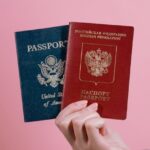
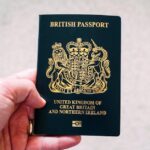
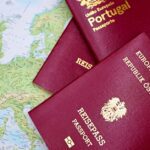
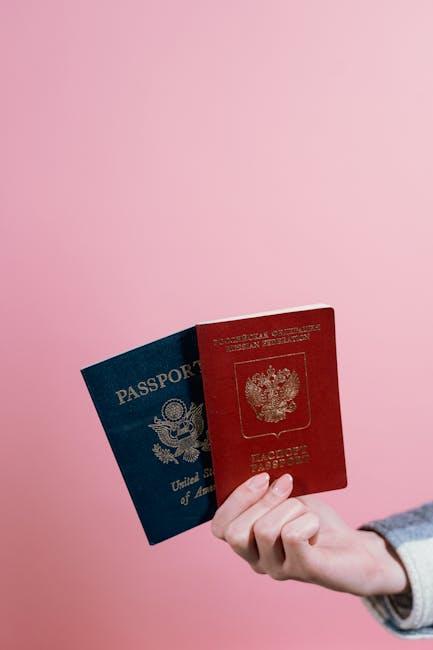
In a world increasingly defined by borders both blurred and sharp, living with dual nationality has become more than just a legal status—it is a unique journey of identity, belonging, and perspective. To hold two passports is to navigate the delicate balance of two cultures, two histories, and two sets of expectations, often all at once. It’s a quiet negotiation between parallel lives, where the heart may reside in more than one place, yet the feeling of home can sometimes feel elusive. This article delves into the reality of dual nationality, exploring the nuanced experiences of those who live between two worlds, embracing the opportunities and challenges that come with straddling multiple identities.
The Emotional Landscape of Dual Identity
Navigating the inner world of dual identity often feels like walking a tightrope stretched between two distinct cultures, each calling for allegiance yet offering contradictory perspectives. This emotional terrain is rich with paradoxes—joy tangled with confusion, pride shadowed by moments of not belonging. Those living this reality may find themselves piecing together a mosaic of memories, values, and languages, forging a self-image that refuses to fit neatly into pre-existing boxes. The emotional weight of this duality can manifest in phases of exhilaration when embracing the best of both worlds, but also in quiet struggles with identity fragmentation and cultural dissonance.
- Belonging vs. Alienation: Feeling deeply connected to two nations, yet fully belonging to neither.
- Cultural Fluidity: Adopting and adapting customs that shape a dynamic, evolving identity.
- Emotional Resilience: Building strength through the challenge of reconciling diverse personal narratives.
| Emotional Challenge | Common Experience | Adaptive Response |
|---|---|---|
| Identity Conflict | Feeling torn about self-definition | Creating personalized cultural blends |
| Sense of Loss | Grieving absence of full acceptance | Seeking community with similar backgrounds |
| Empowerment | Claiming dual heritage as strength | Using multicultural perspective creatively |
Navigating Legal Complexities and Responsibilities
Living with dual nationality isn’t just about holding two passports; it means balancing the intricate web of legal obligations and duties each country imposes. From tax compliance to military service and voting rights, a dual citizen must adeptly manage diverse regulatory responsibilities that may sometimes conflict. Understanding the nuances of each jurisdiction’s laws becomes essential to avoid unexpected legal pitfalls, such as double taxation or compulsory conscription, which can affect your personal and financial life.
Moreover, the challenge of staying updated with constantly evolving legislation requires ongoing vigilance. Consider the complexities below, which often characterize dual nationality legal obligations:
- Taxation: Filing requirements, potential double taxation treaties.
- Civic duties: Voting rights, jury service, and military obligations.
- Residency laws: Long-term stays, visas, and social benefits eligibility.
| Responsibility | Country A | Country B |
|---|---|---|
| Tax Filing | Annual declaration required | Based on residency |
| Military Service | Mandatory for males aged 18-25 | Optional reservist duty |
| Voting Rights | National elections only | Local and national elections |
Cultural Fusion and the Challenge of Belonging
Straddling two distinct cultural identities often feels like living within a beautifully intricate mosaic, where each tile represents a different tradition, language, or value. This fusion sparks a vibrant inner dialogue—a balancing act between preserving heritage and embracing new norms. Dual nationality weaves together diverse customs, celebrations, and worldviews, creating a unique lens through which individuals experience life. Yet, this merging also carries the subtle tension of piecing together a coherent sense of self amid differing expectations.
Within this cultural interplay, the quest for belonging becomes a journey marked by both opportunity and challenge. Feelings of alienation and acceptance ebb and flow as one navigates social circles, family dynamics, and professional environments. The following table captures common emotional experiences tied to dual nationality, reflecting how the fusion of identities shapes internal and external perceptions.
| Aspect | Common Experience | Emotional Response |
|---|---|---|
| Language | Switching between languages fluidly | Empowered yet occasionally misunderstood |
| Family Traditions | Combining holidays and rituals | Warmth mixed with occasional conflict |
| Social Identity | Choosing how to self-identify | Conflicted pride and uncertainty |
- Embrace the richness of both heritages without forcing them to merge completely.
- Celebrate small cultural victories to build a grounded identity.
- Recognize that belonging is fluid, not fixed, allowing space to grow and adapt.
Practical Strategies for Embracing Dual Heritage
Embracing a dual heritage requires more than just acknowledgment—it calls for active integration into daily life. One effective strategy is to create personal rituals that honor both backgrounds, such as celebrating traditional holidays from each culture or preparing fusion meals that blend culinary customs. Embracing language practice can also serve as a powerful bridge, reinforcing ties and enriching communication within family and community circles. Developing a balanced routine that incorporates elements from both cultures not only fosters pride but can also alleviate the internal tug-of-war often felt by individuals living between two worlds.
Navigating identity complexities becomes smoother by cultivating a network of like-minded individuals who also share dual backgrounds. Online forums, cultural groups, or local events offer invaluable spaces for sharing experiences and gaining support. Additionally, setting clear personal goals about what each heritage means individually can help in managing conflicting emotions. Here’s a simple guide to practical actions:
- Schedule cultural learning sessions—attend workshops or virtual tours.
- Maintain a heritage journal to document stories, customs, and reflections.
- Celebrate both national days to foster inclusive pride.
- Create hybrid family traditions that blend values and practices.
Building Bridges Through Shared Experiences
Living with dual nationality often means navigating the beautiful yet complex tapestry of multiple cultures. It’s in the shared meals, the language blend, and the holidays celebrated that individuals craft connections beyond borders. Such commonalities foster empathy and understanding, bridging divides that often seem insurmountable in our globally connected but culturally segmented world. When people come together over familiar traditions or mutual experiences, it ignites a powerful sense of belonging that transcends geographical boundaries.
Consider how shared stories of adaptation, resilience, and celebration form the cornerstone of these bridges. Communities rise when they recognize that despite diverse origins, the human experience pulses with universal themes:
- Home as a fluid concept, not a fixed place
- Language as a living, evolving tool of connection
- Heritage as a foundation enriched by new influences
| Shared Experience | Common Outcome |
|---|---|
| Language blending | Enhanced communication skills |
| Cultural festivals | Community cohesion |
| Dual traditions | Broadened perspectives |
Final Thoughts
Living between two worlds is more than a geographical fact—it is a complex journey of identity, belonging, and perspective. Dual nationality weaves together disparate cultures, legal systems, and personal histories, creating a unique tapestry that challenges conventional notions of home. As we navigate this intricate landscape, we come to understand that living with dual nationality is not just about holding two passports—it’s about embracing the richness and sometimes the tension of two lives intertwined. In this delicate balance, dual nationals embody a living dialogue between worlds, reminding us that identity is fluid, multifaceted, and ever evolving.