In an increasingly interconnected world, the concept of identity is no longer confined to a single place or culture. For many, holding dual citizenship means living between two worlds—embracing the unique blend of opportunities, responsibilities, and challenges that come with belonging to two nations simultaneously. This article delves into the multifaceted benefits of dual citizenship, exploring how this legal status can open doors to enhanced mobility, economic advantages, and enriched cultural experiences, while also shedding light on the nuances that define what it truly means to navigate life with a foot in each world.
Living Between Two Worlds Exploring the Practical Advantages of Dual Citizenship
Embracing dual citizenship offers a unique lifestyle where individuals can seamlessly navigate between two nations, enriching their personal and professional lives. One of the most practical benefits is the freedom of travel; holding passports from two countries often means fewer visa restrictions, faster border processing, and access to a wider network of global destinations. Beyond travel, dual citizenship provides an expanded array of social services, such as healthcare and education options, allowing individuals to choose systems that best fit their needs across borders.
Financially and legally, dual citizenship can open doors to diverse opportunities. For example:
- Investment and Business: Owning properties or starting businesses in two countries becomes significantly easier, with benefits like tax incentives and access to local markets.
- Employment: Dual citizens can work without restrictions in both countries, increasing job prospects and career flexibility.
- Social Security: They can often claim social security benefits or pensions from both nations, optimizing retirement plans.
| Benefit | Advantage |
|---|---|
| Education | Access to tuition discounts & scholarships |
| Healthcare | Eligibility for national health programs |
| Voting Rights | Participation in elections of both countries |
Navigating Legal Rights and Responsibilities as a Dual Citizen
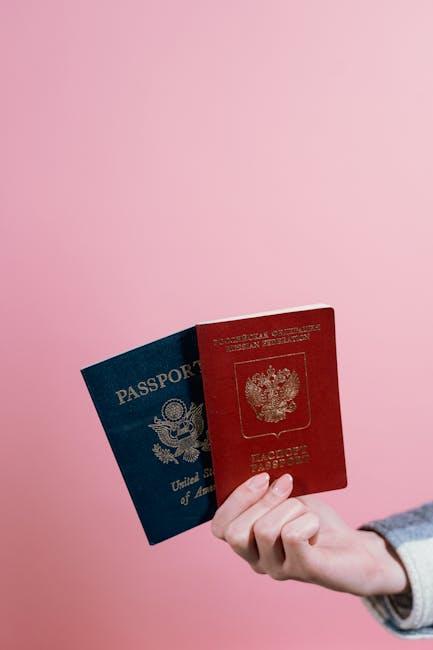
Being a dual citizen means embracing a unique set of legal rights and responsibilities in two different countries. While this status offers unparalleled flexibility, it also requires a keen understanding of how laws intersect across borders. For instance, dual citizens may have the right to vote in both nations, work without permits, and access social services from either government. However, these benefits come paired with obligations like paying taxes, serving in the military (depending on local laws), or abiding by the legal age of consent and driving regulations in both jurisdictions. Navigating these complexities efficiently calls for being well-informed about each country’s legal framework and any bilateral agreements that might influence your status.
- Tax compliance: Reporting income and understanding tax treaties to avoid double taxation.
- Military service: Awareness of conscription laws in both countries.
- Legal documentation: Maintaining valid passports, national IDs, and other essential papers.
- Political participation: Knowing where and how you can vote or run for office.
| Rights | Responsibilities |
|---|---|
| Access healthcare in both countries | File annual tax returns |
| Right to work without visa restrictions | Follow respective military service laws |
| Participate in elections | Adhere to dual legal systems |
| Own property | Maintain accurate and legal documentation |
Maximizing Financial Opportunities Through Dual Nationality
Holding dual nationality often opens the door to a broader spectrum of financial advantages that single citizenship cannot match. Individuals can strategically leverage tax benefits and access to multiple banking systems, creating a diversified fiscal approach that enhances wealth management. This unique status enables people to invest in real estate, stocks, and business ventures across borders, optimizing their portfolios while minimizing risk. Access to varied financial products and lower fees in certain countries can also contribute significantly to personal and business growth, turning dual citizenship into a critical asset for securing economic stability.
Furthermore, dual nationals may unlock exclusive benefits like eligibility for government grants, subsidies, and social services in both countries, substantially expanding their opportunities for financial support. Below is a comparison table that highlights common financial opportunities enhanced by dual citizenship:
| Financial Benefit | Country A | Country B |
|---|---|---|
| Tax Incentives | Reduced capital gains tax | Lower income tax bracket |
| Investment Options | Access to emerging markets | Stable international funds |
| Banking Facilities | Multi-currency accounts | High-yield savings |
| Government Grants | Startup business subsidies | Education funding |
Cultural Enrichment and Identity: The Emotional Landscape of Dual Citizenship
Navigating the intricate terrain of dual citizenship often leads to a profound sense of personal identity synthesis. Individuals who belong to two nations simultaneously find themselves weaving together the threads of distinct cultural narratives, traditions, and values. This melding creates a rich tapestry of emotional experiences—pride in heritage, curiosity about diverse perspectives, and sometimes, the challenge of balancing contrasting worldviews. The emotional wealth gained can foster a deepened appreciation for the complexities of identity, influencing everything from personal relationships to worldview formation.
This unique position also offers a dynamic emotional landscape characterized by:
- Belongingness to multiple communities
- Flexibility in cultural expression and social behavior
- Resilience in adapting to different social contexts
- Enriched empathy through exposure to diverse cultural viewpoints
Each of these elements plays a critical role in shaping an individual’s self-concept, allowing them to bridge cultures in ways that honor the nuances and shared humanity of both worlds.
Strategies for Maintaining Compliance While Enjoying Dual Citizenship Benefits
Balancing the allure of dual citizenship with the responsibilities it entails requires a proactive mindset and strategic planning. One of the key steps is to stay informed on tax obligations, voting rights, and legal requirements in both countries to avoid unexpected penalties. Regularly consulting with legal and tax professionals can provide tailored advice, ensuring that you’re always one step ahead. Additionally, keeping personal documentation up-to-date—such as passports, residency permits, and tax filings—helps prevent disruptions in accessing dual citizenship privileges.
Establishing a clear routine to manage cross-border obligations can transform complexity into clarity. Consider these practical pointers:
- Develop a compliance calendar: Mark important dates for tax submissions, renewals, and legal updates.
- Utilize technology: Set alerts for deadlines and maintain digital copies of all bipartite agreements and records.
- Cultivate relationships: Build connections with embassies or consulates to gain support and nuanced insight.
| Focus Area | Compliance Tip | Benefit |
|---|---|---|
| Taxation | File taxes in both jurisdictions or claim applicable treaties | Prevents double taxation and penalties |
| Documentation | Regularly renew passports and visas | Smooth international travel and legal recognition |
| Civic Duties | Stay informed of voting and military service laws | Maintains civic rights and avoids legal issues |
To Conclude
Living between two worlds is more than a legal status; it’s a bridge to infinite possibilities. Dual citizenship offers a unique blend of cultural richness, expanded opportunities, and a deeper sense of identity. While it comes with its own set of responsibilities and complexities, the benefits often outweigh the challenges, granting individuals the freedom to navigate life’s landscapes with greater flexibility. Embracing dual citizenship means embracing the beauty of connection — to places, people, and possibilities — making the world a little smaller, and a lot more accessible. Whether for personal growth, economic advantage, or a broader sense of belonging, living between two worlds is a journey worth understanding and exploring.