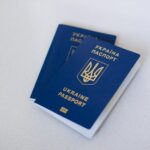
In a world increasingly connected yet distinctly divided by borders, the experience of living between worlds has become a profound reality for many. Dual nationality—a legal status that allows individuals to call two countries home—opens doors to diverse cultures, identities, and opportunities. Yet, it also ushers in a complex web of emotions, loyalties, and legal challenges that are often overlooked. This article delves into the nuanced landscape of dual nationality, exploring how people navigate the intricate balance of belonging, identity, and responsibility when they live not just in one world, but two.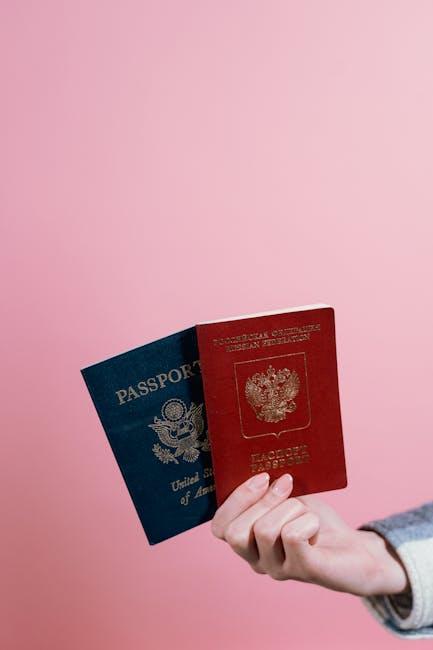
Embracing Cultural Hybridity: The Richness of Dual Identity
Negotiating multiple cultural spheres fosters a unique worldview where tradition and innovation coexist harmoniously. Individuals with dual identity often find themselves weaving together the threads of seemingly disparate customs, languages, and values. This intricate tapestry doesn’t dilute one culture in favor of another; rather, it enriches the individual’s experience, allowing for a deeper appreciation of diversity and a broader sense of belonging. They become multilingual storytellers, capable of translating experiences across cultural divides, creating bridges where others might see walls.
Living with dual nationality cultivates resilience and adaptability—qualities essential in today’s globalized world. These individuals navigate social nuances and expectations with fluidity, often developing a sophisticated emotional intelligence that transcends borders. The interplay between two cultural identities manifests in everyday life as a dynamic dance between celebration and conflict, offering valuable insights into the human capacity to harmonize contrasting elements. The following list illustrates some representative benefits of this cultural hybridity:
- Expanded worldview: Access to diverse perspectives enhances empathy and creative problem-solving.
- Language skills: Multilingual abilities open doors to richer communication and professional opportunities.
- Enhanced adaptability: Comfort with change and uncertainty fosters resilience.
- Stronger sense of identity: A layered personal narrative deepens self-awareness and pride.
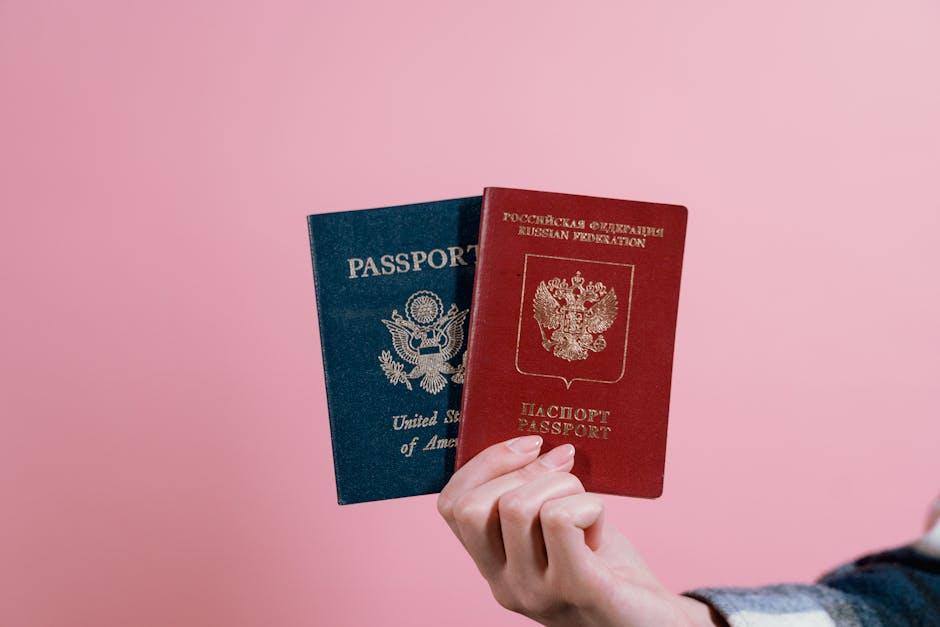
Navigating Legal Labyrinths: Rights, Responsibilities, and Challenges
Navigating the web of rights and responsibilities that come with dual nationality often feels like solving a complex puzzle designed with shifting pieces. On one hand, dual citizens enjoy a unique blend of rights, such as voting privileges in two countries and access to wider employment markets. Yet, these benefits are counterbalanced by obligations that can be both demanding and contradictory—think about compulsory military service in one country colliding with tax laws in another. The overlapping legal systems require constant vigilance to avoid pitfalls, particularly in areas concerning citizenship laws, taxation, and travel restrictions.
The challenges stretch beyond legalities, influencing personal identity and sense of belonging. Dual nationals are often caught between distinct cultural expectations and legal frameworks, which can lead to:
- Complex inheritance laws that vary drastically and may affect property rights.
- Dual taxation issues requiring expert financial planning to mitigate income tax burdens.
- Struggles with emergency consular assistance where allegiance questions complicate diplomatic protection.
| Legal Aspect | Potential Conflict | Example |
|---|---|---|
| Taxation | Double taxation risk | U.S. citizen taxed on global income |
| Military Service | Conflicting conscription laws | Service required in both countries |
| Legal Jurisdiction | Contrasting legal obligations | Differing criminal laws |
Balancing Belonging and Loyalty: Personal and Social Dynamics
Navigating the delicate interplay between personal identity and communal expectation often requires dual nationals to serve as bridges between two worlds. The tension between embracing one culture while honoring another creates a dynamic space where loyalty is not about exclusivity but about harmonizing diverse allegiances. This balancing act influences daily decisions—from language use to participation in traditions—and can elicit profound feelings of fulfillment or isolation, depending on the context. Emotional landscapes shift as individuals reconcile pride in their homeland with the desire to integrate fully into their adopted society.
Social dynamics surrounding dual nationality introduce complexities that are both rewarding and challenging. While friends and family may offer unwavering support, broader societal perceptions can oscillate between curiosity, admiration, and skepticism. The following table illustrates common scenarios faced by dual nationals and the possible responses they evoke:
| Scenario | Typical Social Response | Potential Emotional Impact |
|---|---|---|
| Celebrating both national holidays | Admiration for cultural richness | Sense of pride and belonging |
| Feeling questioned about allegiance | Skepticism or doubt | Emotional distress and defensiveness |
| Introducing cultural traditions at work | Curiosity and openness | Empowerment and inclusion |
| Experiencing cultural misunderstandings | Confusion or frustration | Alienation or resilience |
- Mutual respect is the cornerstone for bridging these worlds.
- Open communication helps clarify misunderstood cultural nuances.
- Shared experiences foster community and reduce feelings of otherness.
Economic Opportunities and Obstacles in a Globalized Life
In the interconnected world of today, having dual nationality opens doors to a myriad of economic possibilities that are otherwise inaccessible. Individuals can tap into diverse job markets, often qualifying as local candidates in two countries, thereby expanding their career horizons. This flexibility allows for optimized business ventures, tax planning, and even access to exclusive global financial products. However, navigating this economic landscape demands a keen understanding of the legal frameworks in each country. Dual nationals often face complexities such as conflicting tax obligations, unpredictable residency requirements, and cross-border regulatory constraints that can hinder smooth financial operations.
Key economic implications of dual nationality include:
- Access to bilateral trade agreements that facilitate business expansion.
- Differing employment regulations requiring adaptability.
- Taxation considerations that may lead to double taxation without proper planning.
- Investment options varying significantly between home countries.
| Opportunity | Potential Obstacle |
|---|---|
| Work permits in multiple countries | Complex visa and residency rules |
| Access to international banking | Cross-border tax compliance |
| Business expansion across borders | Conflicting local regulations |
| Social security benefits | Unequal social protections |
Practical Tips for Thriving with Dual Nationality
Embracing dual nationality often means mastering the art of balance—between cultures, laws, and identities. One essential approach is effective organization. Keep your documents, such as passports, visas, and residency permits, meticulously updated and accessible. Consider digital backups secured online as well. Moreover, staying informed about both countries’ legal changes related to citizenship, taxation, or travel restrictions can save you from unexpected complications.
Building a support network is equally crucial. Connect with groups or communities who share similar backgrounds to exchange experiences and practical advice. It’s also wise to cultivate relationships on both sides of your national ties, which fosters a sense of belonging and support. Below is a brief guideline to help you navigate everyday challenges and opportunities:
- Language practice: Regularly engage in both languages to maintain fluency.
- Cultural immersion: Participate in local events from both cultures to enrich your identity.
- Financial planning: Understand banking, taxation, and investment rules in both countries.
- Legal awareness: Keep track of dual citizenship laws to avoid conflicts or penalties.
| Challenge | Smart Strategy |
|---|---|
| Tax complexities | Hire a tax advisor familiar with both systems |
| Cultural identity crisis | Practice mindfulness and seek mentoring |
| Legal documentation | Set regular reminders for renewals |
| Travel restrictions | Monitor embassy advisories closely |
To Wrap It Up
Living between worlds is more than a legal status—it is a deeply personal journey of identity, belonging, and perspective. Dual nationality weaves together the threads of two cultures, histories, and communities into a singular, often complex tapestry. While it offers unique opportunities and freedoms, it also presents challenges that require navigation with care and understanding. In embracing the harmony and tension of holding two flags, those with dual nationality continually redefine what it means to call a place home, reminding us all that identity is rarely simple, but always enriched by the bridges we build between worlds.