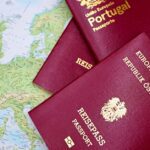
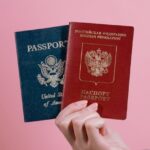
In an increasingly interconnected world, the notion of identity has grown beautifully complex, weaving together threads from different cultures, histories, and legal systems. Living with dual nationality is more than just holding two passports—it is an intricate dance between belonging and difference, loyalty and freedom, tradition and innovation. This unique existence invites individuals to navigate the nuanced landscape of two homelands simultaneously, embracing opportunities while facing challenges that few others encounter. In exploring the reality of living in two worlds, we delve into the multifaceted experience of dual nationality: a journey marked by privilege and paradox, connection and contradiction.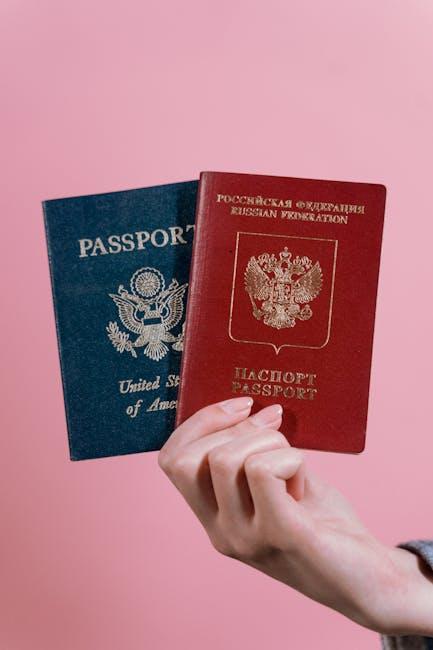
Navigating the Emotional Terrain of Belonging and Identity
Living with dual nationality often feels like walking a tightrope stretched between two vibrant cultures, each pulling at your sense of self in subtle and profound ways. The emotional landscape is dotted with moments of pride and conflict, belonging and estrangement. It’s a delicate dance of embracing traditions from both worlds while sometimes grappling with the question: “Where do I truly belong?” This internal push and pull can evoke feelings of richness and complexity, but also confusion and longing.
Many individuals find that their identity is less about choosing one side over the other and more about creating a unique synthesis that reflects their lived experience. Challenges frequently encountered include:
- Balancing cultural expectations from family and society
- Negotiating language differences that affect communication and expression
- Reconciling contrasting social norms that shape values and behaviors
Balancing Legal Rights and Responsibilities Across Borders
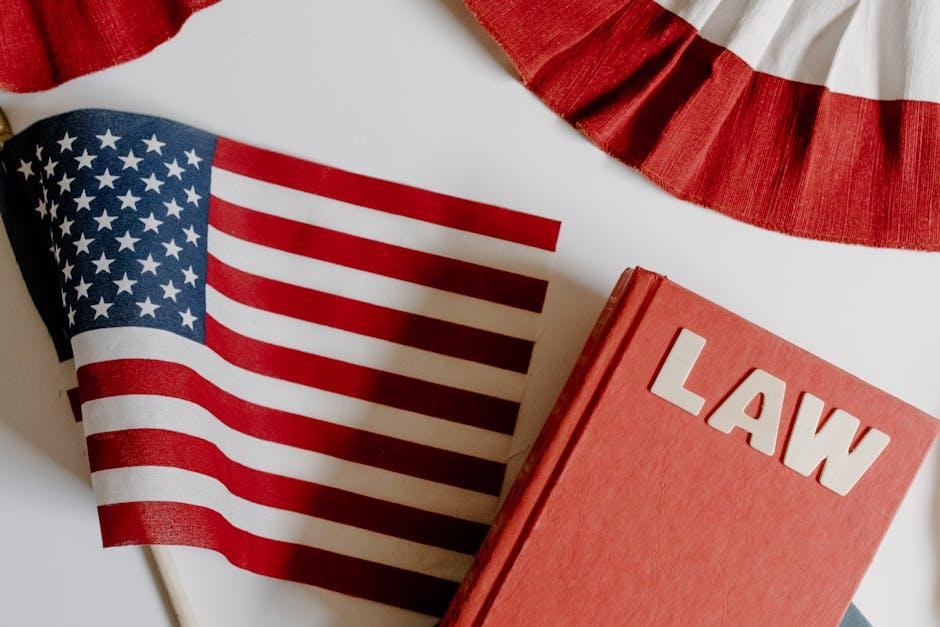
Holding dual nationality means navigating a unique set of legal frameworks that often overlap or contradict depending on the countries involved. It is an intricate dance of rights and responsibilities, where one must be vigilant to comply with the laws of both nations. For example, voting rights, property ownership, and taxation can vary drastically, requiring dual nationals to stay well-informed and proactive. Understanding visa requirements, military duties, and even inheritance laws becomes essential to avoid unintended legal conflicts that could complicate daily life or long-term plans.
- Taxation: Dual nationals may face tax obligations in both countries, depending on international agreements.
- Civic Duties: Jury duty or compulsory military service can apply in either or both nations.
- Legal Protections: Consular assistance can differ based on which passport is used abroad.
| Country A | Country B | Impact |
|---|---|---|
| Mandatory military service | No conscription | Potential dual military obligations |
| Double taxation treaty | No tax treaty | Complex tax filing requirements |
| Civic voting rights | Voting rights restricted | Unequal political participation |
Balancing these legal dimensions requires thoughtful planning and sometimes seeking expert legal counsel. Dual nationals must weigh the advantages against possible drawbacks, such as conflicting legal obligations or loss of some benefits when operating abroad. Ultimately, this balance shapes an individual’s experience, freedom, and responsibilities—often creating a life rich with opportunity but layered in complexity.
Embracing Cultural Richness Without Losing Personal Ground
Balancing the vibrant tapestry of two cultures often means navigating between unique values, traditions, and expectations. This duality can serve as a source of profound strength, offering a broadened worldview and a deeper sense of empathy. Yet, it also requires a conscious effort to maintain one’s own identity amidst external influences. Preserving personal values while embracing diversity involves selective adaptation—choosing which cultural aspects to integrate and which to respectfully set aside. This ongoing process fosters resilience and a richer self-understanding.
Embracing cultural richness without losing oneself is like walking a delicate tightrope. It involves nurturing connections to both worlds without surrendering the essence of who you are. Here are some strategies that help maintain this balance:
- Continuous self-reflection: Regularly reassessing your beliefs and feelings to stay aligned with your core identity.
- Setting boundaries: Knowing when to say no to cultural pressures that conflict with your principles.
- Building supportive communities: Surrounding yourself with people who respect and celebrate your dual heritage.
| Challenge | Approach | Outcome |
|---|---|---|
| Pressure to conform | Open communication | Mutual respect |
| Identity confusion | Self-exploration | Clarity and confidence |
| Social isolation | Community engagement | Belonging and support |
Practical Tips for Managing Dual Nationality in Everyday Life
Balancing two national identities requires intentional daily practices to prevent feeling overwhelmed. Always keep essential documents, such as passports and ID cards, neatly organized and up to date. Setting reminders for visa renewals or tax deadlines in each country can save unexpected headaches. Maintain bilingual communication habits by labeling household items in both languages or subscribing to news outlets from both countries, keeping cultural ties alive and sharpening language skills simultaneously.
Creating a simple routine to switch between legal systems and cultural expectations can smooth transitions. Here are just a few actionable strategies:
- Digital organization: Use apps to manage appointments, flags for holidays from both nations.
- Financial clarity: Track income streams and taxes separately with dedicated accounts or software.
- Community connection: Join cultural or expat groups to share experiences and advice.
| Aspect | Dual Nationality Tip | Benefit |
|---|---|---|
| Travel | Carry both passports when crossing borders | Faster processing & fewer visa issues |
| Taxation | Consult specialists familiar with both countries | Avoid penalties & maximize deductions |
| Identity | Celebrate holidays from both cultures | Strengthen family bonds & cultural pride |
Building Bridges Through Dual Citizenship for a Global Future
In an increasingly interconnected world, holding dual nationality is more than a legal status—it’s a personal journey that weaves together diverse cultural identities and global opportunities. Dual citizens often find themselves navigating a unique blend of traditions, laws, and social expectations, gaining a richer perspective on the world while facing challenges that require adaptability and resilience. This intricate reality encourages the development of empathy and understanding across borders, acting as a living bridge linking two distinct societies and fostering a spirit of global citizenship.
To appreciate the full scope of dual nationality, consider its multifaceted impact:
- Legal Flexibility: Access to rights and privileges in two countries, including employment and education.
- Cultural Richness: Deepened appreciation of diverse heritages and traditions.
- Economic Advantage: Opportunities to engage in business ventures and investments internationally.
- Challenges: Navigating conflicting laws, taxation, and travel restrictions.
| Aspect | Benefit | Challenge |
|---|---|---|
| Travel | Visa-free access to more countries | Dual tax filings and visa complications |
| Identity | Strong multicultural sense | Conflicting cultural expectations |
| Opportunities | Broader education and employment options | Legal complexities in both countries |
Insights and Conclusions
Navigating the intricate tapestry of dual nationality is a journey marked by both enriching opportunities and subtle challenges. Living in two worlds means embracing multiple identities, languages, and cultures—sometimes in harmony, sometimes in tension. It is a reality that defies simple definitions, asking those who live it to continuously redefine what home truly means. As globalization weaves our lives ever closer, the experience of dual nationality stands as a powerful testament to the evolving nature of identity—complex, layered, and beautifully human.