In an increasingly interconnected world, the notion of belonging to just one country is evolving. Imagine holding two passports, two sets of traditions, and the unique privilege – and challenge – of calling two places “home.” Dual citizenship, once a rare circumstance, has become a complex and intriguing reality for millions. This article delves into the multifaceted world of living twice, exploring what it means to navigate the legal, cultural, and emotional landscapes of dual nationality, and why this phenomenon is reshaping identities across the globe.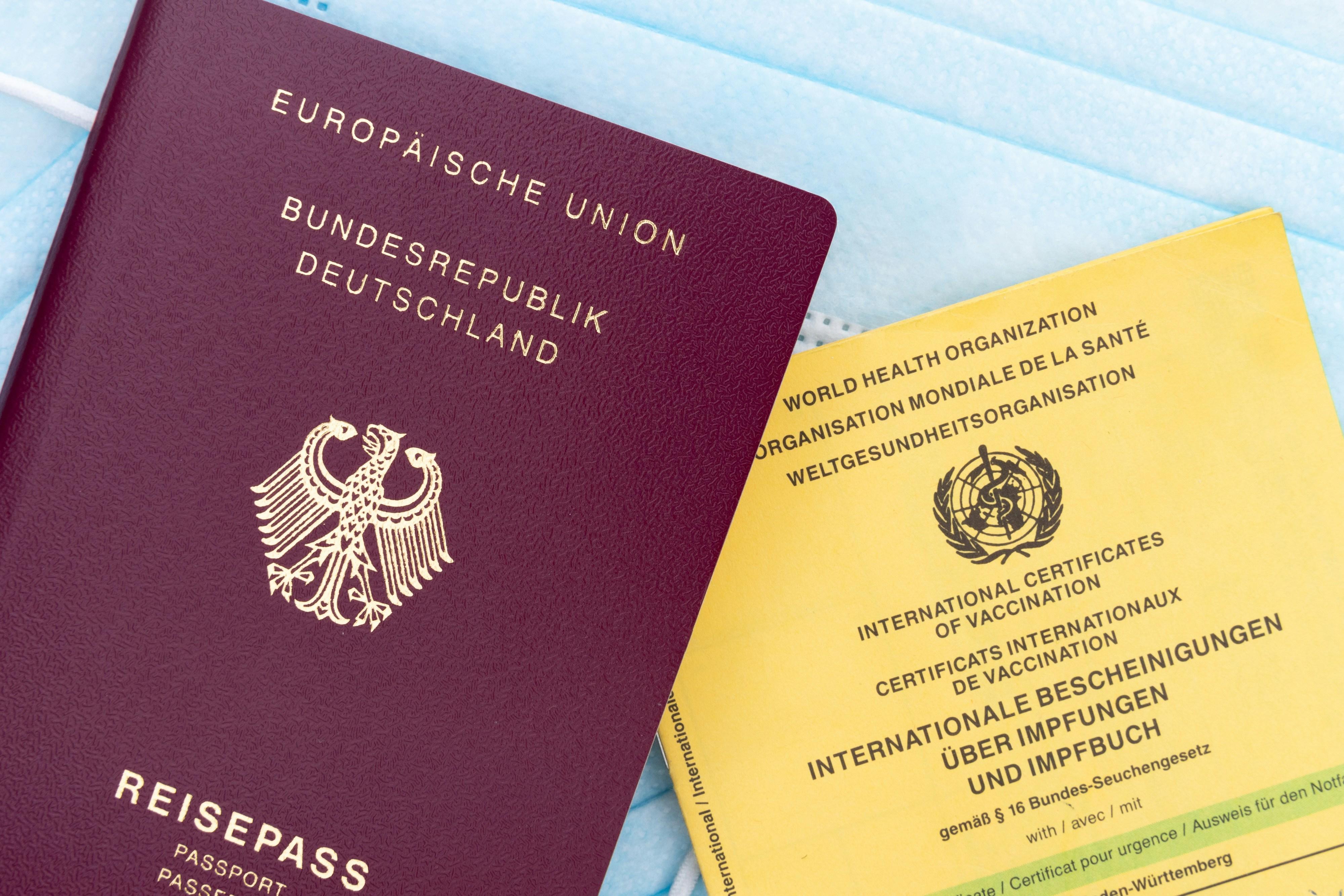
Understanding Dual Citizenship and Its Legal Implications
Embracing dual citizenship means navigating a unique legal landscape where two countries recognize you as a national simultaneously. This status carries a fascinating blend of rights and responsibilities, often allowing individuals to enjoy benefits such as voting in multiple elections, owning property abroad, and accessing social services in both nations. However, this privilege also involves complex legal nuances that differ wildly depending on the countries involved. For example, some states permit dual citizenship without restriction, while others may require you to renounce one nationality upon acquiring another.
Understanding the full scope of dual citizenship involves considering aspects like tax obligations, military service requirements, and diplomatic protection rights. It’s essential to be aware of how the laws of each country intersect or conflict. Here’s a quick look at common legal implications:
- Taxation: Dual citizens may need to file taxes in both countries or take advantage of treaties to avoid double taxation.
- Military Service: Some nations mandate compulsory service, which might apply to dual citizens depending on residency and laws.
- Travel and Visa Benefits: Holding passports from two countries can offer broader travel access and fewer visa restrictions.
| Country A | Country B | Key Legal Consideration |
|---|---|---|
| USA | Canada | Tax Reporting on Worldwide Income |
| Germany | Brazil | Military Service Obligations |
| India | UK | No Dual Citizenship in India – OCI Option |
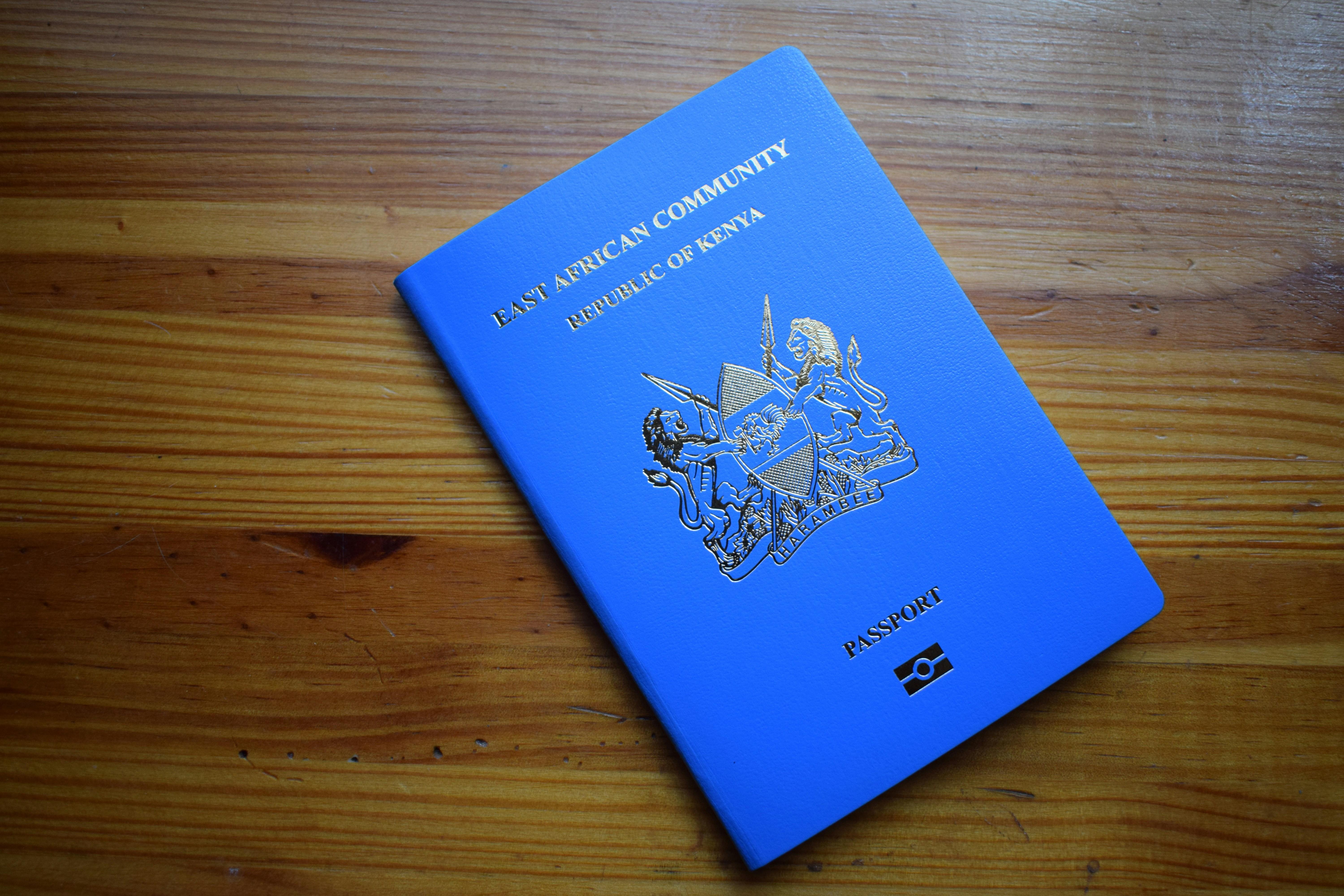
Navigating Tax Responsibilities Across Two Countries
Juggling tax obligations can feel like walking a tightrope when you’re tied to two fiscal systems. Dual citizens often encounter the challenge of understanding which income must be reported to which country, and how to avoid the pitfalls of double taxation. Both nations may claim a share of your earnings, but careful navigation through tax treaties and exemptions can make all the difference. It’s essential to keep detailed records, as some countries employ a worldwide income tax system while others tax based on residency, creating a matrix of rules that must be unraveled.
Here’s a quick look at common factors affecting your tax scenario:
- Tax Residency Tests: Each country’s criteria can vary, often revolving around the number of days spent physically present.
- Tax Treaties: Bilateral agreements that prevent double taxation by allocating taxing rights or providing tax credits.
- Filing Obligations: Requirements can include annual declarations of global income, foreign bank accounts, and assets.
| Country | Tax System | Key Challenge |
|---|---|---|
| Country A | Worldwide Income Tax | Declaring all global earnings |
| Country B | Residence-Based Tax | Tracking physical presence days |
Balancing Cultural Identity and Social Expectations
Straddling two worlds simultaneously often means navigating a subtle dance between personal heritage and the societal norms of both countries. The multifaceted nature of dual citizenship offers a unique prism through which one can experience and celebrate diverse traditions, languages, and beliefs. However, it also brings with it the challenge of balancing sometimes contrasting values and expectations. For instance, what is considered respectful or customary in one culture might be misunderstood or overlooked in the other, requiring an ongoing negotiation of identity. This delicate balance demands a profound self-awareness and adaptability.
Individuals often find themselves juggling family expectations, workplace norms, and community customs to harmonize their dual cultural realities. Here are a few key tensions that commonly surface:
- Maintaining traditional customs while embracing modern societal values
- Balancing loyalty to two nations in social and political arenas
- Negotiating language use and education choices for children
| Challenge | Potential Impact | Strategies to Adapt |
|---|---|---|
| Clashing social norms | Feelings of alienation | Open dialogue, cultural education |
| Dual expectations from family | Emotional stress | Clear communication, boundary-setting |
| Identity confusion in youth | Self-esteem issues | Mentorship, cultural immersion |
Managing Travel Freedoms and Passport Privileges
Holding dual citizenship opens doors to a unique spectrum of travel liberties, but it also means navigating a maze of regulations that vary wildly between countries. For many, passport privileges mean the luxury of choosing which passport to use at borders, depending on visa requirements or political climates. For instance, one passport might offer visa-free access to a large number of countries, while the other might require tedious visa applications or have travel restrictions. This flexibility can turn a potential travel headache into an effortless journey—if you understand the rules.
However, managing these privileges demands vigilance. Travelers must stay informed about each country’s entry and exit requirements, as well as rules concerning consular protection abroad. It’s essential to remember that some nations do not recognize dual citizenship and may restrict entry or complicate passport use. Keeping a close eye on expiration dates, visa conditions, and local laws can prevent unpleasant surprises.
| Passport | Visa-Free Countries | Potential Restrictions |
|---|---|---|
| Passport A | 150+ | None for tourism |
| Passport B | 80 | Requires visa for USA, Canada |
- Tip: Always carry both passports while traveling to be prepared for any checkpoint requests.
- Beware: Some countries may detain dual nationals or demand military service obligations.
- Advice: Consult your embassy or legal advisors regularly to understand the evolving landscape of travel freedoms.
Practical Tips for Maintaining Dual Citizenship Compliance
Balancing the legal responsibilities of two countries can feel like walking a tightrope, but with careful attention, it’s entirely manageable. Start by keeping detailed records of all your citizenship documents, visa applications, and residency permits. Regulatory requirements differ widely, so frequent visits to official government websites and timely consultations with immigration lawyers can save you from unexpected troubles. Don’t overlook tax obligations; depending on your countries, you might need to file returns in both places. Setting reminders for these deadlines and considering professional tax advice will help you avoid penalties and maintain good standing.
Effective communication with consulates is another lifeline in the dual citizenship journey. Establish a direct line for updates on policy changes affecting your status—embassies often circulate newsletters or bulletins you can subscribe to. Regularly renewing passports and understanding military or civic duties your countries might require demonstrate proactive compliance. Below is a quick checklist to anchor your efforts:
- Document Organization: Keep all citizenship papers current and accessible.
- Tax Compliance: File returns as required by both nations.
- Legal Updates: Monitor law changes impacting dual citizenship status.
- Consular Connection: Stay in touch with embassies for support and notifications.
- Civic Duties: Fulfill obligations such as military service or voting requirements.
In Retrospect
Living with dual citizenship is like weaving two vibrant threads into the fabric of one’s identity—offering a unique blend of opportunities, challenges, and responsibilities. It invites individuals to navigate multiple cultures, legal systems, and civic duties, creating a complex yet enriching experience. As the world grows more interconnected, understanding the nuances of holding two passports becomes not just a legal matter, but a story of belonging, choice, and adaptability. Whether embraced as a privilege or approached with caution, dual citizenship remains a powerful testament to the multifaceted nature of modern identity—living twice, yet striving to live fully.