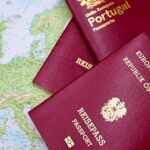
In a world increasingly defined by borders both physical and ideological, the notion of belonging becomes fluid, complex, and deeply personal. Living with dual national citizenship is much more than a bureaucratic status or a line on a passport—it is an intricate dance between identities, cultures, and loyalties. Those who navigate these overlapping worlds experience a unique blend of privilege and challenge, freedom and responsibility. This article explores the multifaceted realities of living two lives under one sky, shedding light on the legal, social, and emotional dimensions that shape the experience of dual citizenship in today’s interconnected era.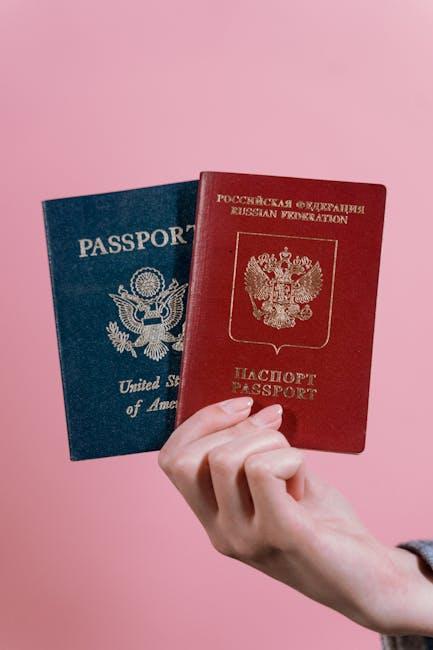
Challenges of Identity and Belonging in Dual National Citizenship
Living between two nations often means navigating a complex web of personal and social expectations. Dual nationals may find themselves caught between contrasting cultural norms, values, and traditions, leading to a sense of fragmented identity. This internal conflict can manifest as a feeling of never fully belonging to either country, where each side views them as partially “other.” The challenge lies in embracing a multifaceted self without sacrificing authenticity, which often requires a deliberate and ongoing negotiation of identity.
The external pressures of acceptance can be just as daunting. Dual citizens frequently encounter:
- Legal ambiguities about rights and responsibilities that differ between countries.
- Social expectations to conform to a single national narrative, often overlooking their hybrid heritage.
- Family tensions where allegiance to one nation may be seen as betrayal by the other.
- Discrimination based on perceived loyalty or cultural differences.
These factors create an intricate balance for dual citizens seeking not just acceptance, but a shared sense of belonging that honors all parts of their identity.
Navigating Legal Obligations and Tax Responsibilities Across Borders
Cross-border citizenship brings an intricate web of legal frameworks that can challenge even the most seasoned globetrotters. Dual nationals must stay astutely aware of their obligations in each jurisdiction, which often means juggling property laws, residency requirements, and differing employment rights simultaneously. For instance, holding a passport from two countries can mean navigating distinct legal systems where what is lawful in one nation may be restricted in another. Understanding these nuances is crucial to avoiding legal pitfalls and ensuring compliance.
Tax responsibilities further complicate this picture, with many dual citizens caught in the maze of international taxation. Some countries tax based on residency, while others tax based on citizenship regardless of where the income is earned. The table below highlights typical considerations dual nationals encounter:
| Aspect | Country A | Country B |
|---|---|---|
| Income Tax Basis | Residency | Citizenship |
| Reporting Requirements | Local income only | Global income disclosure |
| Tax Treaties | Active | Limited |
| Filing Deadlines | April 15 | June 30 |
- Seek expert advice: Consulting international tax professionals can prevent costly errors.
- Keep thorough records: Documentation can resolve ambiguities during audits.
- Understand treaty benefits: Utilize tax treaties to avoid double taxation.
Cultural Integration and Maintaining Connections in Two Societies
Balancing cultural integration while preserving deep-rooted connections to two distinct societies is a nuanced journey for those with dual national citizenship. It requires navigating varying social norms, traditions, and sometimes contrasting worldviews. Individuals often become cultural chameleons, adapting their behaviors and communication styles based on the context they find themselves in. This dual existence fosters unique perspectives, enriching their personal and professional lives with a hybrid identity that straddles multiple cultural frameworks.
Key strategies that aid in maintaining this balance include:
- Regularly engaging with community events from both cultures to nurture a sense of belonging.
- Learning and practicing the languages of both nations to deepen connections and facilitate communication.
- Celebrating holidays and traditions from each society to keep cultural heritage alive.
- Establishing a personal cultural routine that respects both heritages equally.
| Aspect | Challenges | Benefits |
|---|---|---|
| Identity | Feeling divided or misunderstood | Rich, multifaceted self-awareness |
| Community | Straddling two social circles | Diverse network and friendships |
| Language | Language preference conflicts | Fluency and cognitive flexibility |
Practical Tips for Managing Rights and Duties as a Dual Citizen
Balancing the privileges and obligations inherent in holding dual citizenship demands a thoughtful approach. Start by keeping thorough records of your legal responsibilities in each country—this includes tax filings, military service requirements, and voting obligations. Embracing digital tools like calendar reminders for important deadlines can prevent inadvertent lapses that might lead to penalties or complications. Furthermore, staying well-informed about evolving laws ensures you remain compliant without sacrificing the benefits that come with your dual status.
Effective communication with relevant authorities and local communities is equally vital. Networking with expatriate groups or local consulates often provides insights into managing everyday challenges, from navigating bureaucratic systems to cultural nuances. Consider this comparative table highlighting key areas where dual citizens should pay extra attention:
| Area | Considerations | Tips |
|---|---|---|
| Taxation | Filing requirements in both countries | Consult tax professionals familiar with international laws |
| Military Service | Obligations may exist in one or both countries | Clarify exemptions or deferments early |
| Voting Rights | Registration deadlines and eligibility rules vary | Maintain updated voter registrations |
| Legal Obligations | Compliance with laws nationally and abroad | Monitor changes via official embassy websites |
Strategies for Leveraging Dual Citizenship in Career and Travel Opportunities
Harnessing the power of dual citizenship can open a world of professional doors, especially in today’s global economy. By strategically aligning your career goals with the benefits of two national identities, you gain access to multiple job markets, work permits, and networking possibilities. Consider the flexibility to work across continents without the usual visa hurdles, and the appeal to multinational companies that value employees with diverse cultural insights. Capitalizing on dual citizenship means thinking beyond borders, embracing not just new opportunities but also the ability to bridge cultural divides in the workplace.
When venturing into travel, dual citizenship serves as a passport to ease, freedom, and expanded horizons. Not only can you often bypass visa requirements, but you can also enjoy longer stays and simplified entry procedures in both countries and their allies. Planning trips with dual citizenship also allows savvy travelers to optimize costs, security, and even residency status for extended stays abroad. Below is a quick look at how these advantages stack up:
| Benefit | Career | Travel |
|---|---|---|
| Visa Access | Multiple work permits | Visa-free or easier entry |
| Networking | Broadened cultural connections | Insider access to local insights |
| Flexibility | Work in two economies | Longer stays & diverse itineraries |
Key Takeaways
In the intricate dance of dual national citizenship, individuals find themselves weaving together threads of identity, culture, and allegiance from two distinct worlds. This balancing act is neither simple nor static; it evolves with time, circumstance, and personal growth. Living between borders challenges conventional notions of belonging and invites a deeper reflection on what it truly means to call a place home. As globalization continues to blur the lines of nationality, embracing the complexities of dual citizenship may become less an exception and more a testament to the multifaceted nature of modern identity — a bridge connecting diverse histories, hopes, and futures all at once.