In a world where passports are no longer mere travel documents but symbols of identity, opportunity, and allegiance, the concept of multiple citizenship emerges as both a bridge and a battleground. To navigate borders today is to traverse a labyrinth of legal frameworks, cultural ties, and personal histories that defy simplicity. This article delves into the intricate realities faced by those who hold more than one nationality—a growing group whose lives unfold between nations, laws, and loyalties. Join us as we explore the complexities, benefits, and challenges of multiple citizenship in an increasingly interconnected world.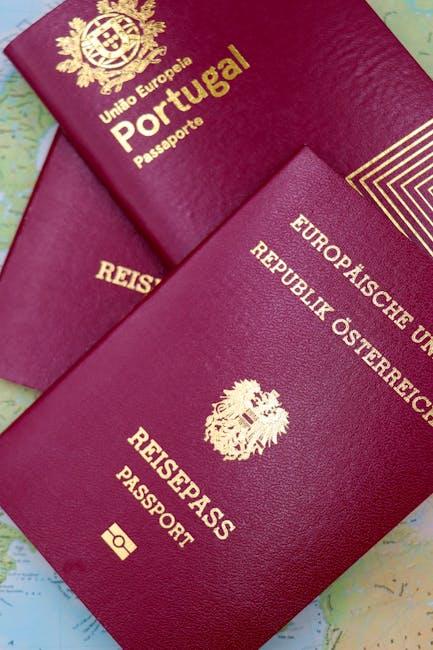
Understanding the Legal Landscape of Multiple Citizenship
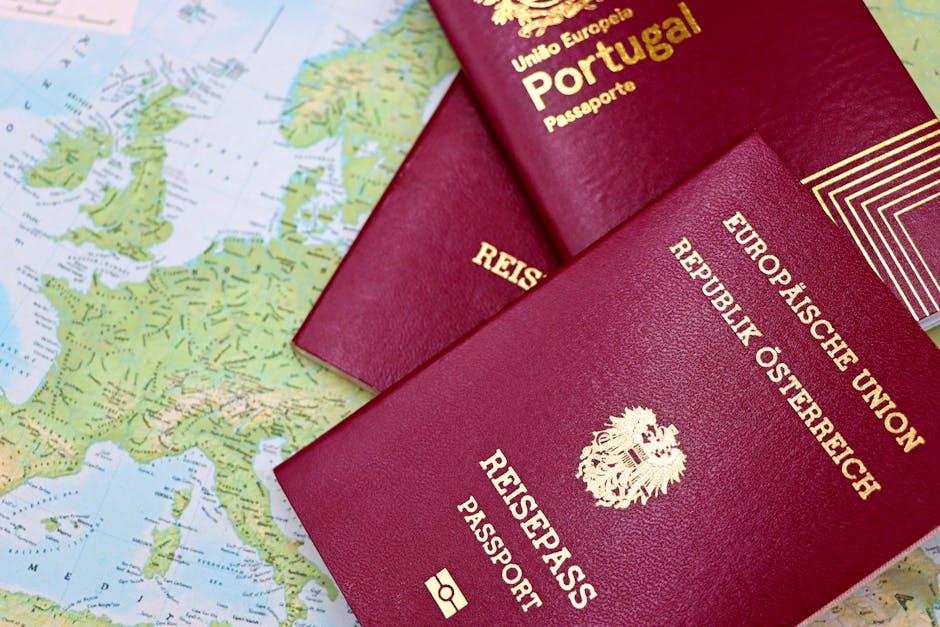
Multiple citizenship is a legal mosaic, where the rights, responsibilities, and recognition vary widely by country. Some nations embrace dual nationals with open arms, while others impose strict limitations or even prohibit holding more than one citizenship. The divergence in policies means that individuals with multiple passports may navigate through layers of laws that affect travel freedom, military service obligations, tax liabilities, and even access to social services. Understanding each country’s stance and how they interact under international law is crucial for anyone considering or holding multiple citizenships.
- Jus soli (right of the soil) countries grant citizenship based on birthplace.
- Jus sanguinis (right of blood) countries confer citizenship through parental lineage.
- Some countries require renunciation of other citizenships upon naturalization.
- Others permit dual or multiple citizenships, enabling broader personal and economic opportunities.
| Country | Multiple Citizenship Policy | Key Consideration |
|---|---|---|
| Canada | Permitted | No loss of citizenship upon gaining another |
| India | Restricted | Requires renouncing other citizenships |
| Germany | Limited | Allowed only under specific conditions |
| United States | Permitted | Allows dual citizenship but with tax obligations |
Balancing Rights and Responsibilities Across Nations
Holding multiple citizenships often feels like walking a tightrope, carefully balancing the privileges one enjoys with the duties that come in tow. Each country brings its own unique expectations—whether it’s voting in elections, paying taxes, or even compulsory military service—that a citizen must respect. This delicate equilibrium requires a nuanced understanding of overlapping laws and cultural norms. For instance, a person may relish the ease of travel granted by one passport, but must simultaneously stay compliant with legal obligations in another jurisdiction. Navigating these intricacies fosters not only a global mindset but also a profound sense of accountability.
The challenge intensifies when conflicting responsibilities arise, demanding adaptability and informed decision-making. To better visualize these dynamics, consider the table below outlining common responsibilities and rights in multi-citizenship scenarios:
| Right | Possible Responsibility | Common Complications |
|---|---|---|
| Voting | Participation in local elections | Different election dates or eligibility rules |
| Work | Fulfilling employment taxes | Dual taxation without treaties in place |
| Military Service | Compulsory conscription | Potential legal conflicts between countries |
| Residency | Abiding by local residency laws | Maintaining legal status with multiple governments |
- Communication: Staying informed through official government channels
- Legal Consultation: Seeking expert advice to avoid pitfalls
- Cultural Sensitivity: Respecting societal expectations in each nation
Economic Opportunities and Challenges for Dual Citizens
Dual citizenship opens doors to a unique range of economic possibilities, positioning individuals to leverage global markets and cross-border investments with ease. For many, this status offers access to diverse job markets, unrestricted property ownership, and smoother business registrations in two countries. Entrepreneurs and remote professionals particularly benefit by tapping into varying regulatory environments, tax incentives, and emerging markets, allowing for strategic asset diversification and enhanced financial resilience. However, such opportunities come hand-in-hand with complex financial planning requirements, including navigating dual tax obligations and differing retirement or social security systems.
On the flip side, dual citizens face challenges that can complicate economic stability. Conflicting legal frameworks may result in unexpected liabilities or bureaucratic hurdles, especially when income levels, currency fluctuations, or political tensions influence cross-border transactions. Managing compliance with two sets of fiscal laws demands continuous vigilance and often the assistance of specialized advisors. Furthermore, dual citizenship can impact creditworthiness and loan accessibility, as financial institutions assess risk differently based on varied residency statuses.
- Opportunities: Expanded access to employment, favorable tax treaties, easier business setup abroad
- Challenges: Dual taxation risks, regulatory compliance complexity, financial institution scrutiny
| Economic Factor | Benefit | Challenge |
|---|---|---|
| Employment | Work freely in two countries | Work permit conflicts |
| Taxation | Tax optimization possible | Double taxation risk |
| Investment | Access to diverse markets | Currency fluctuation impact |
Cultural Identity in a Multinational Context
In a world where your passport can tell many stories, personal identity becomes a vibrant mosaic of languages, traditions, and values. Holding multiple citizenships transforms the concept of nationality from a singular allegiance to a dynamic blend of cultural experiences. Individuals often find themselves traversing more than just physical borders — they navigate the rich terrain of diverse cultural expectations, family histories, and societal norms. This intersection creates a unique sense of belonging, where one’s identity is neither confined nor defined by one single nation but rather by a constellation of cultural influences.
Understanding this intricate web involves recognizing the delicate balance between embracing new societal norms and preserving ancestral customs. Multiple citizenships often grant an expansive worldview while posing challenges such as conflicting loyalties or cultural dissonance. The following table highlights some common cultural elements influenced by multiple citizenship:
| Aspect | Influence of Multiple Citizenship |
|---|---|
| Language | Bilingual or multilingual fluency, code-switching practices |
| Celebrations | Observance of diverse holidays and customs |
| Values | Blending individualism with collectivism, or other cultural traits |
| Identity | Fluid self-concept, embracing hybrid cultural representation |
Living between worlds means continuously crafting a personal narrative that honors multiple roots without losing sight of the unique individual identity that blossoms from the experience. This cultural dialogue enriches societies by contributing diverse perspectives, fostering empathy, and challenging monolithic definitions of belonging.
Practical Strategies for Managing Multiple Passports and Compliance
Balancing the legalities of multiple citizenships requires meticulous organization and a proactive approach. One practical tip is to maintain a dedicated travel binder or a digital document vault containing critical information for each nationality—passport numbers, visa requirements, expiration dates, and consulate contacts. This allows quick reference and ensures that you are never caught off-guard by differing entry or exit regulations. Critical reminders, such as visa renewal dates or tax filing deadlines, should be highlighted and synced with your digital calendar to streamline compliance and avoid costly penalties.
Understanding and respecting each country’s rules is paramount, especially when it concerns dual tax liabilities, military service obligations, or reporting foreign income. Here are some key strategies to stay compliant:
- Regularly consult official government portals for updates on passport laws and requirements.
- Enlist professional advice, such as immigration attorneys or tax consultants, versed in international regulations.
- Keep travel itineraries transparent with all relevant authorities to avoid misinterpretations.
| Aspect | Tip |
|---|---|
| Passport Validity | Renew at least 6 months before expiration |
| Tax Declaration | Understand dual tax treaties |
| Travel Restrictions | Check entry bans for dual nationals |
| Consular Support | Enroll with embassies before travel |
In Conclusion
As the world grows ever more interconnected, the tapestry of identity woven through multiple citizenships becomes increasingly intricate. Navigating these overlapping affiliations demands not only an understanding of diverse legal frameworks but also a thoughtful reflection on belonging, responsibility, and opportunity. Ultimately, multiple citizenship is more than a bureaucratic status—it is a living testament to our shared human mobility and the nuanced ways we define home in a borderless age.