In a world increasingly defined by movement and connection, the concept of citizenship has evolved far beyond a single stamp in a passport. For many, the borders that once neatly contained identity now overlap and intertwine, giving rise to a complex reality: multiple citizenships. This intricate web of legal ties offers both unprecedented opportunities and unforeseen challenges, reshaping how individuals navigate nationhood, rights, and responsibilities. As global migration continues to blur the lines between countries, understanding this multifaceted phenomenon is more crucial than ever. Welcome to “Navigating Borders: The Complex World of Multiple Citizenships,” where we explore the delicate balance between belonging and bureaucracy in an interconnected age.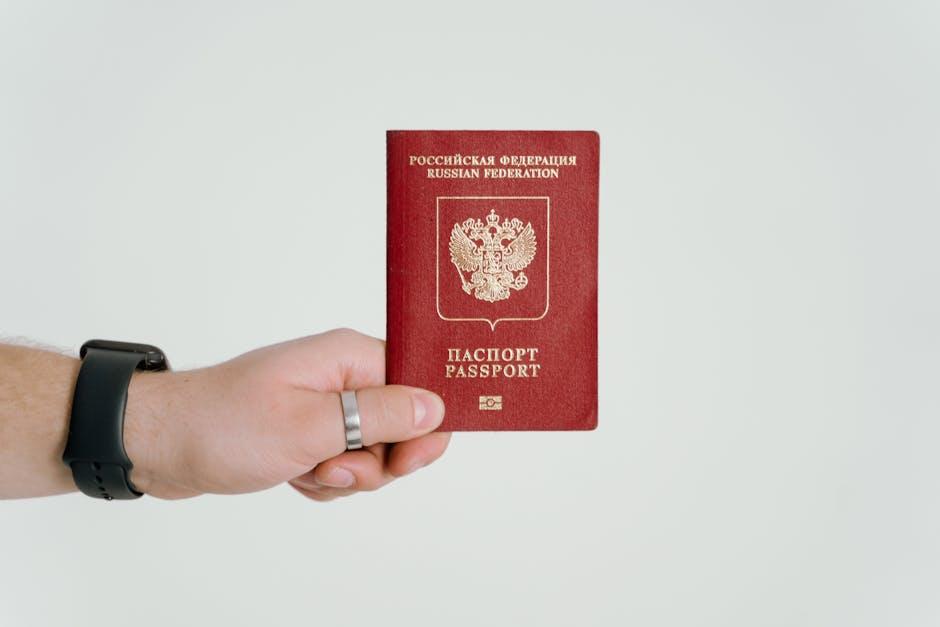
Understanding the Legal Landscape of Multiple Citizenships
Navigating the maze of multiple citizenships involves more than just paperwork; it requires a nuanced understanding of international laws and agreements. Each country has its own stance on dual or multiple citizenships—ranging from total acceptance to strict prohibition. For some nations, holding multiple passports offers freedom and flexibility, while others demand exclusive allegiance, sometimes mandating the renunciation of previous citizenships. This intricate patchwork of legal frameworks means that, for those exploring multiple national identities, staying informed is paramount to avoid unintended complications, such as loss of benefits or unexpected tax obligations.
When considering dual or multiple citizenship, it’s important to weigh key legal factors:
- Residency requirements: Some countries require continuous physical presence to maintain citizenship.
- Military service obligations: Dual nationals may be subject to conscription laws in more than one country.
- Taxation policies: The risk of double taxation is a reality for many holders of multiple passports.
- Political rights: Voting and holding public office can be complicated by dual allegiance.
| Country | Dual Citizenship Policy | Notable Restriction |
|---|---|---|
| Germany | Permitted with EU countries | Must apply for permission beyond EU nations |
| Japan | Generally not recognized | Must choose one citizenship before 22 |
| Canada | Fully permitted | No restrictions on holding multiple citizenships |

Balancing Rights and Responsibilities Across Nations
Holding citizenship in multiple countries opens the door to unique advantages, but it also demands a delicate equilibrium between privileges and obligations. Citizens often enjoy benefits such as access to social services, voting rights, and freedom of movement, yet these come with responsibilities like tax compliance, military service, and legal adherence that can vary drastically from one nation to another. Navigating this intricate web requires a clear understanding of where overlapping laws apply and where conflicts might arise—a puzzle that prompts many to seek expert legal guidance to avoid unintended pitfalls.
To better illustrate the complexity, consider the following simplified comparison of citizenship duties across three hypothetical countries:
| Duty | Country A | Country B | Country C |
|---|---|---|---|
| Income Tax Requirement | Worldwide Income | Resident Income Only | None for Citizens Abroad |
| Military Service | Mandatory (2 years) | Voluntary | Mandatory (6 months) |
| Voting Rights | At Embassies | In-Person Only | By Mail or Online |
Understanding such distinctions empowers global citizens to responsibly manage their dual or multiple allegiances. The ultimate challenge lies in respecting and fulfilling the often competing demands while reaping the rich cultural and legal benefits that multiple citizenships can bestow.
- Stay informed about each country’s laws and updates
- Consult professionals when facing legal ambiguities
- Embrace cultural responsibilities alongside legal ones
Economic Opportunities and Challenges for Dual Citizens
Holding multiple citizenships unlocks a treasure trove of economic doors that single nationality holders might only dream of. Dual citizens often enjoy enhanced access to global job markets, the ability to invest in diverse real estate sectors, and the chance to capitalize on tax incentives from multiple jurisdictions. Moreover, they can leverage distinct social security benefits and pension schemes, weaving a financial safety net that transcends geographical constraints. However, this multifaceted identity isn’t without its financial puzzles.
Navigating the economic maze for dual citizens means grappling with complex challenges such as:
- Taxation complexities: Simultaneous tax obligations can create unexpected liabilities.
- Compliance burdens: Staying abreast of regulations across countries demands constant vigilance.
- Banking hurdles: Cross-border banking limits and scrutiny on foreign accounts may restrict financial fluidity.
| Opportunity | Challenge |
|---|---|
| Access to multiple employment markets | Conflicting work visa requirements |
| Investment flexibility | Double taxation risks |
| Social security diversification | Complex benefit eligibility |
Managing Taxes and Financial Obligations Internationally
Juggling financial responsibilities across several countries means navigating a labyrinth of tax systems, currencies, and regulations. Each country involved may have its own reporting requirements, income tax rates, and social security contributions, making it crucial for individuals with multiple citizenships to stay informed and proactive. Double taxation treaties often come to the rescue, designed to prevent the same income from being taxed twice, but understanding the specific provisions and exceptions of these treaties can be an overwhelming task.
Practical strategies can ease this complexity. Keeping meticulous records, consulting with international tax attorneys, and utilizing digital tools that track income and obligations across borders are key steps. Here are a few considerations to keep in mind:
- Declare all income sources to avoid penalties and audits.
- Understand residency rules—tax residency may differ from citizenship.
- Monitor currency exchanges as fluctuations can impact taxable income.
- Leverage tax credits and exemptions offered by bilateral agreements.
| Country | Typical Tax Strategies | Common Financial Pitfall |
|---|---|---|
| USA | Foreign Earned Income Exclusion | Unexpected FBAR Penalties |
| Germany | Double Taxation Treaties with EU Nations | Tax Residency Confusion |
| Australia | Tax-Free Threshold for New Residents | Currency Conversion Errors |
Strategies for Navigating Travel and Residency Restrictions
When juggling multiple citizenships, understanding each country’s restrictions is key to seamless travel and residency. Begin by creating a personalized checklist outlining visa requirements, permitted durations of stay, and any quarantine or health mandates. Leveraging trusted government portals and embassies’ official updates can help you stay ahead of sudden changes. Remember, some nations might impose entry bans if you’ve recently visited certain countries, so plan transit routes with caution. Maintaining flexibility by booking refundable flights or accommodation can provide a safety net in a volatile travel landscape.
Another clever approach is to maximize the benefits of your multiple passports strategically. Use the passport that offers the easiest access or longest permitted stay depending on your destination. For example, if Passport A grants visa-free entry but limits stay to 90 days, while Passport B requires a visa but allows six months in-country, evaluate which suits your plans. Here’s a quick guide to visualizing this approach:
| Passport | Visa Requirement | Max Stay | Best Use Case |
|---|---|---|---|
| Passport A | Visa-free | 90 days | Short business or tourism trips |
| Passport B | Visa required | 6 months | Extended visits or work assignments |
Closing Remarks
As the world becomes ever more interconnected, the notion of belonging to a single nation grows increasingly fluid. Navigating the intricate landscape of multiple citizenships requires not only understanding legal frameworks but also embracing the layered identities that come with crossing borders—both tangible and intangible. In this complex mosaic of rights, responsibilities, and cultural ties, multiple citizenships offer a unique passport to opportunity, while also posing challenges that call for thoughtful reflection. Ultimately, the journey through this multifaceted terrain invites us to reconsider what it means to belong in an age where borders blur and identities intertwine.