In an increasingly interconnected world, the concept of identity is evolving beyond traditional boundaries. As more individuals acquire citizenship in three countries, the once rigid lines that defined nationality are becoming fluid, giving rise to a new phenomenon: triple citizenship. This intricate web of legalities and loyalties challenges conventional understandings of belonging and opens fresh discussions on rights, responsibilities, and global citizenship. Navigating borders today means more than crossing physical frontiers—it involves managing complex identities that span multiple nations. This article explores the rise of triple citizenship, examining its implications and the unique opportunities it presents in the 21st century.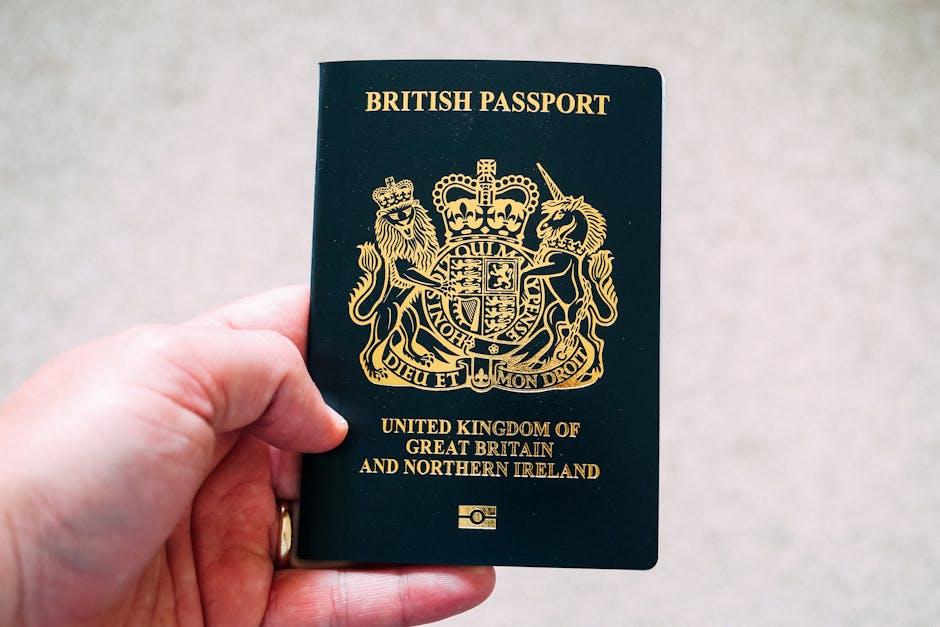
Understanding the Legal Landscape of Triple Citizenship
In an era where globalization intertwines destinies, the legalities surrounding holding three passports have become a complex labyrinth. Countries vary widely in their acceptance of multiple nationalities, with some embracing dual or triple citizenship enthusiastically, while others impose strict limits or outright prohibitions. Navigating these varying laws requires understanding not only each nation’s stance but also how they interact in a tri-national context. This often involves scrutinizing residency requirements, tax implications, and diplomatic protections—all elements that shape the real-world experience of a triple citizen.
- Retention of citizenship: Some nations automatically revoke citizenship if another is acquired without official consent.
- Military obligations: Multiple countries may require compulsory service, leading to conflicting duties for triple citizens.
- Political rights: Voting and holding public office rights can vary depending on citizenship laws.
- Taxation policies: Triple citizenship may trigger taxation in more than one jurisdiction, necessitating careful fiscal planning.
| Country | Triple Citizenship Status | Key Consideration |
|---|---|---|
| Canada | Permitted | Flexibility in citizenship retention |
| Germany | Restricted | Permits only under special agreements |
| India | Not permitted | No dual or triple citizenship allowed |
| Brazil | Permitted | Allows multiple citizenships |
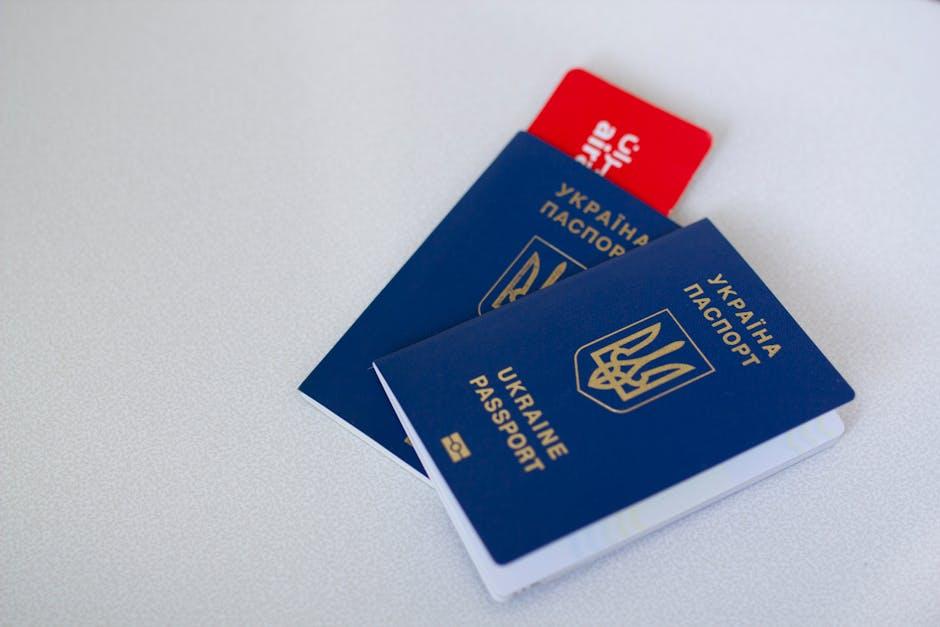
Cultural Identity and the Challenges of Belonging
In an increasingly interconnected world, the notion of belonging transcends traditional national borders, compelling individuals to weave together multiple strands of cultural heritage. Those holding triple citizenship often find themselves navigating a complex web of identities, each with its own customs, languages, and social expectations. This multiplicity can enrich personal narratives but also spur profound questions:
- Where do I truly belong?
- Which culture defines me in moments of conflict?
- How do I reconcile differing loyalties and values?
These challenges are not merely theoretical but affect real choices concerning community involvement, legal obligations, and even self-perception. To better understand these dynamics, consider the varied cultural markers and emotional landscapes that influence triple citizens:
| Cultural Aspect | Influence from Each Citizenship |
|---|---|
| Language | Trilingual abilities that shape communication styles and expressions |
| Festivals & Traditions | Blending celebrations creates a unique personal calendar of cultural events |
| Legal Rights & Responsibilities | Navigating diverse legal frameworks and civic duties simultaneously |
| Sense of Community | Balancing multiple social circles and national influences |
Economic and Social Benefits of Multiple Nationalities
Holding multiple citizenships unlocks a spectrum of economic opportunities previously accessible only to a select few. With the ability to tap into diverse job markets, entrepreneurs can navigate tariffs, taxes, and trade agreements more fluidly, maximizing profits across borders. This agility in global commerce often leads to increased investment flows and cross-border partnerships, injecting vitality into local economies. Moreover, individuals with triple citizenship can leverage social welfare systems, education facilities, and healthcare services from different nations, optimizing quality of life and financial stability on a global scale.
Beyond economics, multiple nationalities foster rich cultural exchanges and reinforce social inclusion. Citizens with diverse ties often become bridges between communities, promoting understanding and cooperation in increasingly multicultural societies. This interconnectedness nurtures empathy, reduces xenophobia, and encourages collaboration on global challenges such as climate change and humanitarian aid. The table below highlights some key social advantages enjoyed by triple nationals:
| Benefit | Impact |
|---|---|
| Cross-cultural Identity | Enhanced social adaptability and inclusion |
| Political Participation | Broadened influence in multiple democratic processes |
| Access to Education | Diverse learning environments and scholarships |
| Community Engagement | Stronger global networks and social capital |
- Economic Resilience: Diversified financial and career opportunities reduce vulnerability.
- Cultural Fluency: Increased intercultural communication skills build stronger societies.
- Legal Protections: Multiple jurisdictions provide broader rights and safeguards.
Navigating Taxation and Diplomatic Responsibilities
Holding citizenship in three countries unlocks a world of opportunities but also presents complex challenges, especially when it comes to taxation. Individuals with triple citizenship must navigate an intricate web of tax obligations, often needing to comply with multiple jurisdictions simultaneously. Being aware of double or triple taxation treaties becomes essential to avoid paying tax on the same income multiple times. Yet, understanding these agreements requires diligent research and, often, professional advice. Additionally, maintaining accurate records of income, investments, and residency status can prevent unexpected legal complications and financial penalties.
Beyond financial matters, triple citizens carry unique diplomatic responsibilities. They may be called upon to represent or advocate for interests in more than one homeland, balancing cultural ties and legal duties. This dual duty sometimes leads to delicate situations, such as conflicting laws or restrictions on political participation. To manage these complexities, it is vital to stay informed about each nation’s specific requirements, including:
- Voting rights and obligations
- Mandatory military service regulations
- Consular protection nuances
- Civic duties such as jury service
| Responsibility | Consideration | Potential Impact |
|---|---|---|
| Tax Declarations | Overlapping deadlines and forms | Penalties and audits |
| Military Service | Exemptions vary by country | Legal obligations and exemptions |
| Political Participation | Restrictions differ widely | Eligibility to vote or run for office |
Practical Steps for Securing and Maintaining Triple Citizenship
Embarking on the journey to secure and maintain triple citizenship requires meticulous planning and a clear understanding of each country’s legal landscape. Begin by thoroughly researching eligibility criteria—some nations demand proof of descent, residency, or marriage, while others have stringent naturalization processes. Keep essential documents, such as birth certificates and passports, updated and accessible to avoid bureaucratic delays. Additionally, staying informed about any reciprocal agreements or restrictions that could affect your status is crucial. As rules can frequently evolve, setting reminders to review legal changes annually can save unexpected complications.
To juggle the responsibilities and benefits effectively, create a structured system that manages your obligations in each citizenship country. This could include:
- Tracking tax filing deadlines and obligations
- Staying compliant with military service requirements if applicable
- Renewing identification documents promptly
- Maintaining local voting rights and civic participation
- Monitoring travel regulations and visa stipulations
| Citizenship Aspect | Key Considerations |
|---|---|
| Legal Compliance | Stay informed on laws to avoid loss of citizenship |
| Documentation | Keep passports and IDs valid and accessible |
| Tax Responsibilities | Understand multi-jurisdictional tax rules |
| Civic Duties | Fulfill voting and military service if required |
Key Takeaways
As the world continues to shrink and identities intertwine, the rise of triple citizenship stands as a testament to our increasingly interconnected lives. Navigating the complexities of multiple national ties challenges traditional notions of belonging, yet it also opens doors to unprecedented opportunities and perspectives. In this evolving landscape, triple citizenship is more than a legal status—it is a bridge between cultures, economies, and communities. Embracing its possibilities requires thoughtful balance, but it undeniably marks a new chapter in the story of global identity. Whether as a passport to freedom or a puzzle to solve, triple citizenship invites us to reconsider what it truly means to belong.