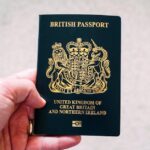
In a world increasingly defined by borders both real and imagined, the concept of nationality has taken on new and complex dimensions. Dual nationality, once a rarity, has become a common facet of many lives, weaving intricate ties between countries, cultures, and identities. Yet, beneath the surface of citizenship documents and legal rights lies a labyrinth of challenges and opportunities that shape the everyday realities of those who call two nations home. This article embarks on a journey to navigate the double bonds of dual nationality, exploring the nuanced interplay of belonging, responsibility, and identity in a globalized age.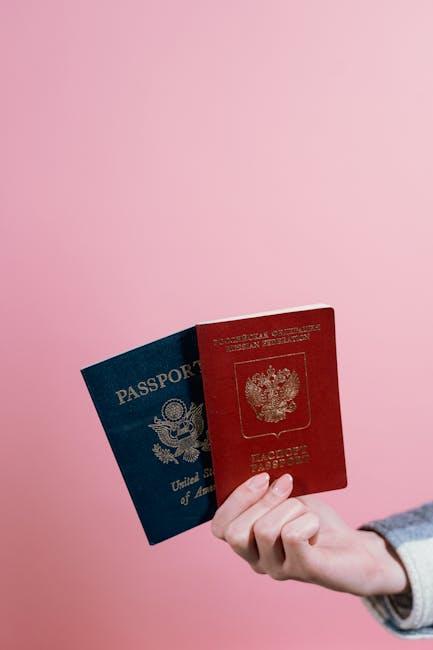
Understanding Dual Nationality in a Globalized World
In today’s interconnected world, holding citizenship in more than one country has become increasingly common, reflecting the fluidity of borders and identities. Dual nationality offers unique opportunities: from the freedom to travel effortlessly between nations to accessing better education, healthcare, and career prospects. However, this privilege comes with its complexities. Individuals must navigate differing legal obligations—from tax laws to military service—and reconcile cultural expectations that may sometimes pull them in opposite directions. It’s a delicate balance of honoring two homelands without losing a sense of individual identity.
Understanding the nuances of dual nationality means recognizing not only the benefits but also the responsibilities. Here are some key points to consider:
- Legal Requirements: Different countries have varying rules about maintaining or renouncing citizenship.
- Diplomatic Protection: Rights and protections can be complicated when in one country but holding citizenship in another.
- Cultural Identity: Dual nationals often serve as bridges between cultures, fostering mutual understanding but sometimes facing identity conflicts.
| Aspect | Benefit | Challenge |
|---|---|---|
| Travel | Visa-free access to multiple countries | Confusion over passport use and entry rules |
| Taxes | Potential access to tax benefits | Double taxation risks require careful planning |
| Civic Duties | Participation in political processes in two countries | Obligations like military service in more than one nation |
Legal Complexities and Rights Across Borders
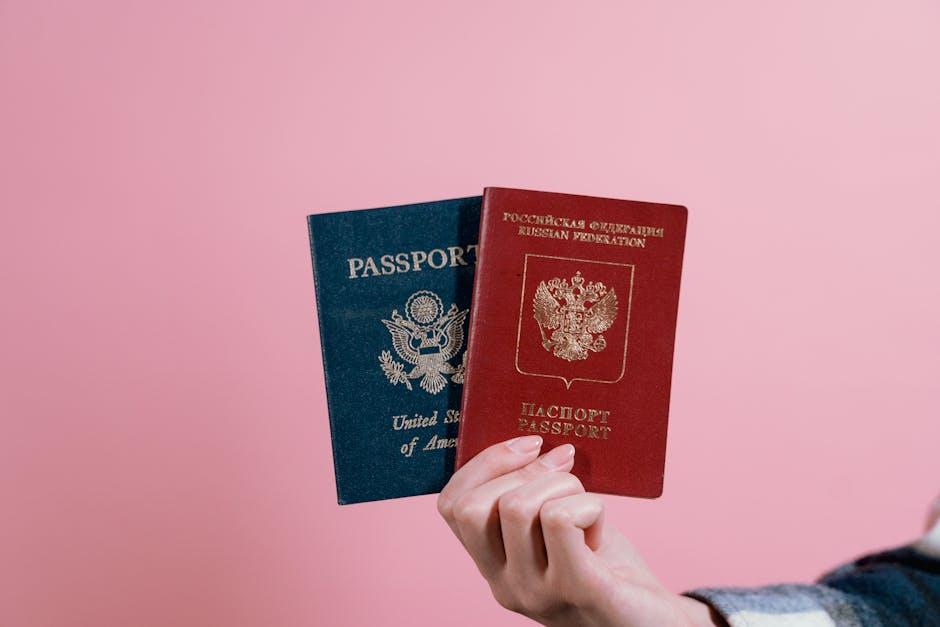
Dual nationality brings with it a fascinating web of legal intricacies that extend beyond mere citizenship status. Individuals holding two passports often find themselves navigating a maze of overlapping laws and, occasionally, conflicting obligations. These can range from taxation duties to military service requirements, all of which vary significantly depending on the country or countries involved. Understanding these subtleties is essential, as failure to comply with one state’s rules may trigger penalties or loss of benefits in another. Moreover, the concept of sovereignty adds layers of complexity, challenging the traditional notion that a person can be a singular subject of one nation’s laws.
Practical rights and restrictions under dual nationality often unfold in a complex landscape of opportunities and limitations. For instance, while dual citizens enjoy facilitated travel and employment possibilities, they must also be alert to restrictions such as ineligibility for certain public offices or compulsory national service in either jurisdiction. The table below offers a snapshot of common areas affected by dual nationality, highlighting potential conflicts and harmonies:
| Aspect | Potential Benefit | Possible Challenge |
|---|---|---|
| Travel | Access to multiple passports eases border crossings | Visa obligations may overlap or conflict |
| Taxation | Opportunities for tax optimization | Double taxation risks without proper treaties |
| Military Service | N/A | Compulsory service demands from both nations |
| Political Rights | Voting in multiple elections | Restrictions on holding certain offices |
Balancing Cultural Identity and Citizenship Responsibilities
Embracing two cultural identities often feels like walking a tightrope—where the heart’s allegiance pulls in multiple directions, and the mind juggles an evolving sense of belonging. Dual nationals carry a rich tapestry of customs, languages, and values, reinforcing a personal identity that is both diverse and dynamic. Yet, this cultural blend requires continuous navigation to ensure that one does not eclipse the other but rather contributes to a unique, multifaceted worldview. It’s within this delicate dance that individuals find meaningful ways to honor their heritage while integrating into the social fabric of their countries of citizenship.
Balancing these facets goes beyond personal identity; it also involves a profound commitment to civic duties. Responsibilities such as voting, tax compliance, and community involvement serve as pillars holding up the shared social contract within each nation. Common challenges faced include:
- Legal obligations that may differ or even conflict between countries
- Public perception and the pressure to “choose a side”
- Emotional complexity in times of political tension between the nations
Those who successfully manage these intertwined roles often develop heightened empathy and resilience, enriching not only their own lives but also the communities they touch.
Navigating Taxation and Financial Obligations
When you hold citizenship in two countries, understanding the intricacies of your tax responsibilities becomes paramount. Each nation has unique tax laws, and in some cases, dual nationals might be liable to pay taxes on the same income to both countries. This overlapping obligation can seem daunting, but it’s crucial to recognize the types of income affected, such as:
- Employment income earned locally or abroad
- Investment and capital gains across borders
- Property and inheritance taxes in both jurisdictions
Navigating these waters effectively requires a clear grasp of treaty agreements, credits, and exemptions designed to mitigate double taxation. Consulting tax treaties between your countries of citizenship can reveal provisions that offer relief, ensuring you do not pay more than your fair share. Consider the following table for a simplified comparison of two hypothetical countries and their tax credits on foreign income:
| Country | Foreign Income Tax Credit | Tax Filing Frequency |
|---|---|---|
| Landia | Up to 25% | Annually |
| Freedonia | Up to 30% | Biannually |
Financial obligations extend beyond taxes. Dual nationals must also consider social security contributions, compulsory pension schemes, and healthcare payments in each country. Failing to comply with either country’s requirements could result in penalties or complications in accessing benefits. Strategic planning and professional advice can transform what seems like a financial maze into a manageable part of your international lifestyle.
Practical Tips for Managing Dual Nationality Challenges
Balancing the legal and cultural expectations of two nations can be daunting, but developing a clear strategy often eases the tension. Begin by keeping essential documents organized and accessible—passports, visas, tax forms, and residency permits are invaluable in avoiding bureaucratic pitfalls. Establish a dedicated digital archive, secured with encryption, to store scans and copies. Moreover, stay informed about the evolving regulations of both countries; laws surrounding taxation, military service, and voting rights can shift unexpectedly, and awareness is your best defense against surprises.
Creating a support network is equally vital. Surround yourself with fellow dual nationals, cultural groups, or legal advisors who understand the unique challenges you face. They can provide insights, share resources, and offer emotional support during periods of uncertainty. Below is a practical checklist to start managing your dual nationality more effectively:
| Tip | Benefit |
|---|---|
| Maintain up-to-date official documents | Ensures smooth international travel and legal compliance |
| Regularly review tax obligations | Avoids unintended penalties or double taxation |
| Engage in cultural integration activities | Builds stronger identity and community ties |
| Consult legal and financial experts | Provides tailored advice tailored to dual nationality scenarios |
Closing Remarks
As we peel back the layers of dual nationality, it becomes clear that this legal and cultural double bond is far more than a passport or a piece of paper. It is a complex dance between identities, obligations, and opportunities—a balancing act that requires both clarity and flexibility. Navigating these intertwined ties challenges individuals to redefine what belonging means in an increasingly interconnected world. Whether viewed as a bridge or a battlefield, dual nationality invites us to reconsider the boundaries of nationhood and the evolving narrative of citizenship in the twenty-first century. In the end, it is not just about where we come from, but how we choose to belong.